
Last updated November 3, 2026
 Sweep & inspection
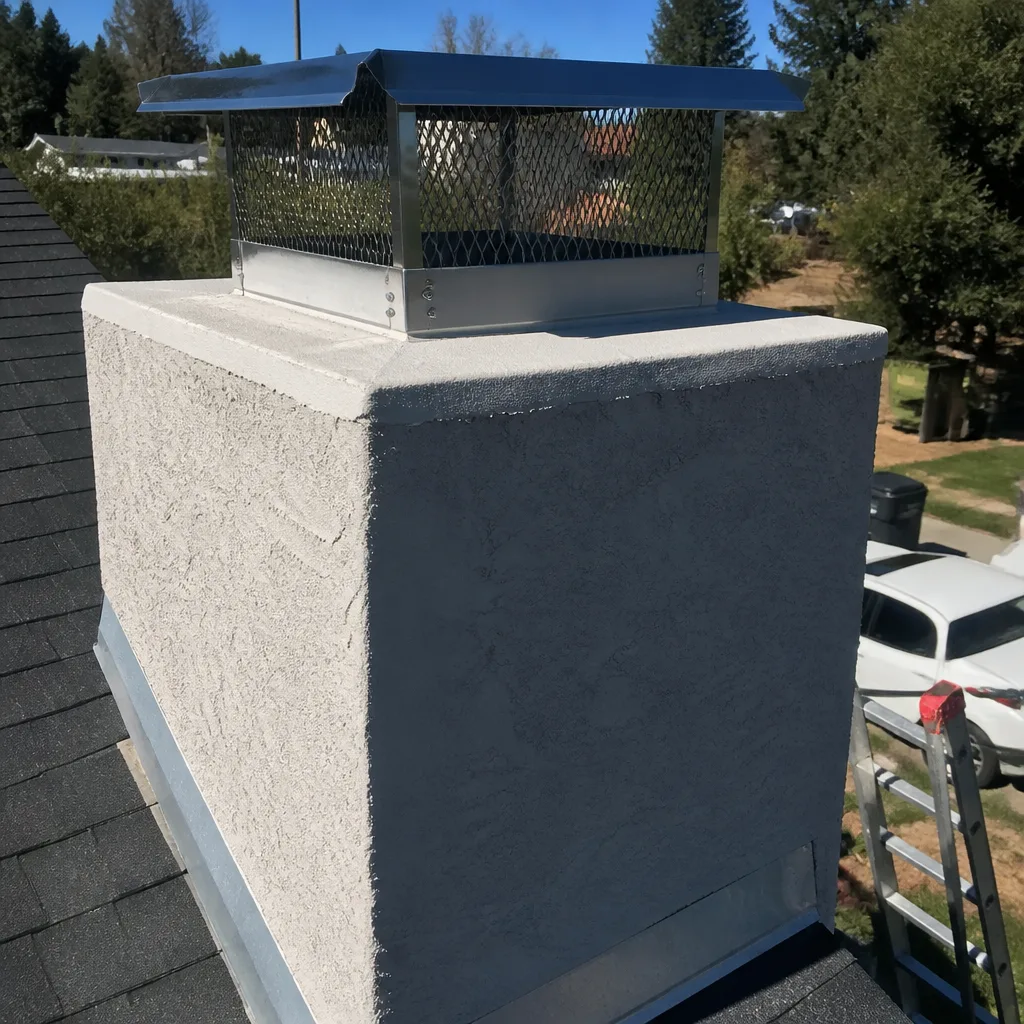
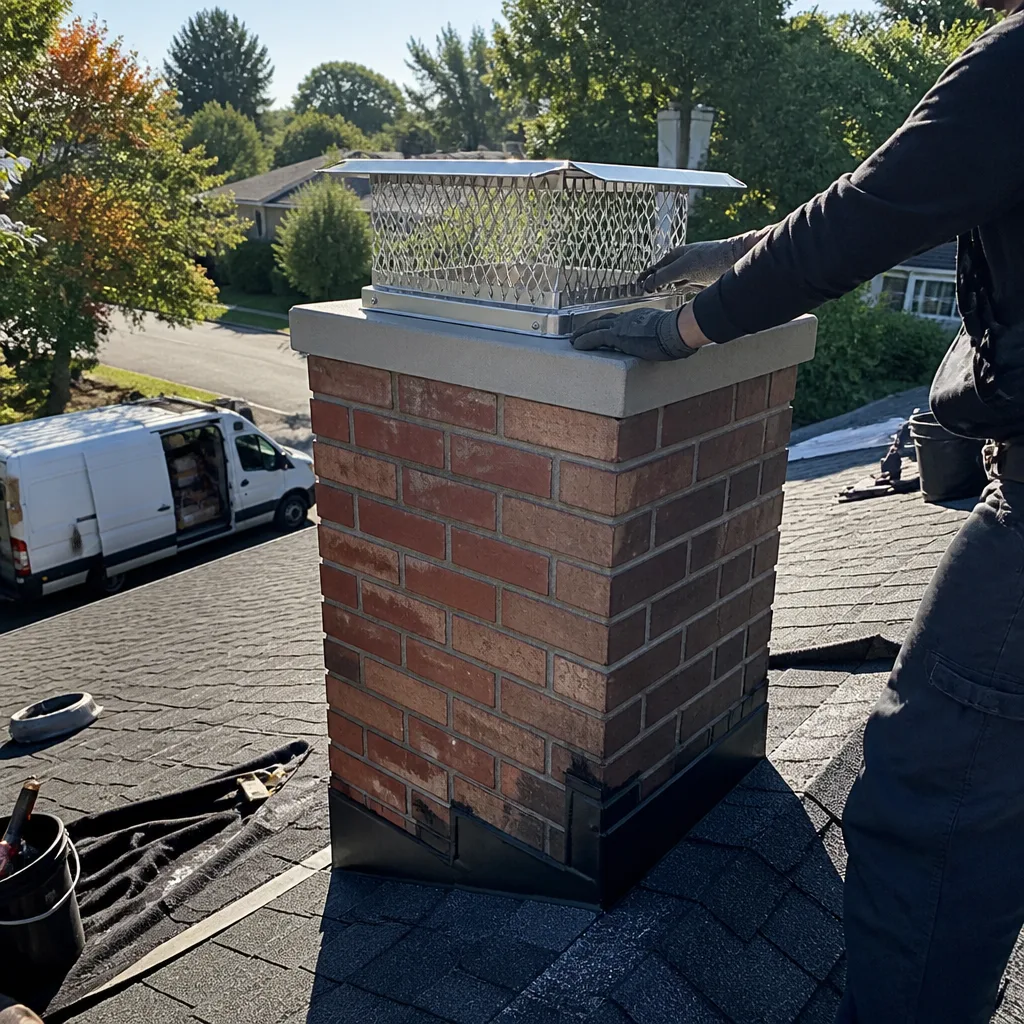
 Caps & crowns
 Flue relining
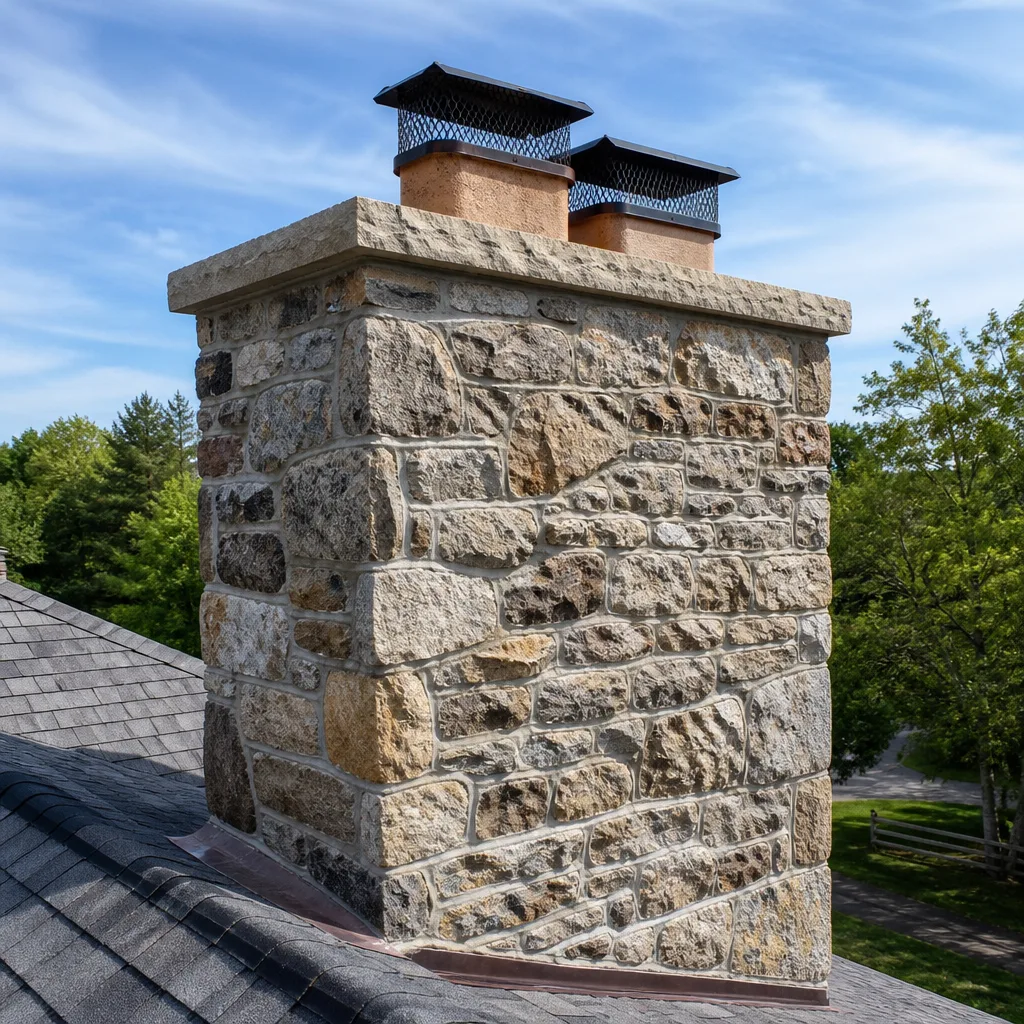 Masonry repair
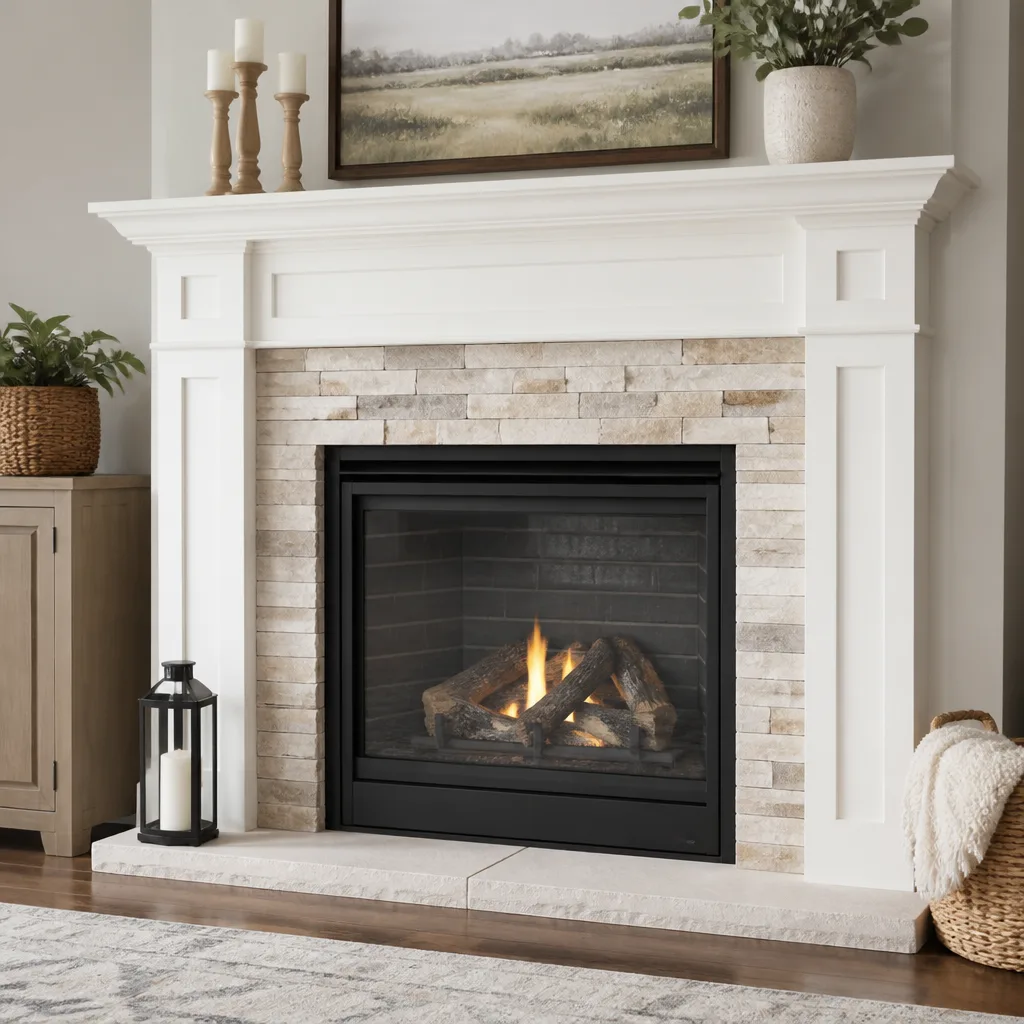 Gas fireplace service
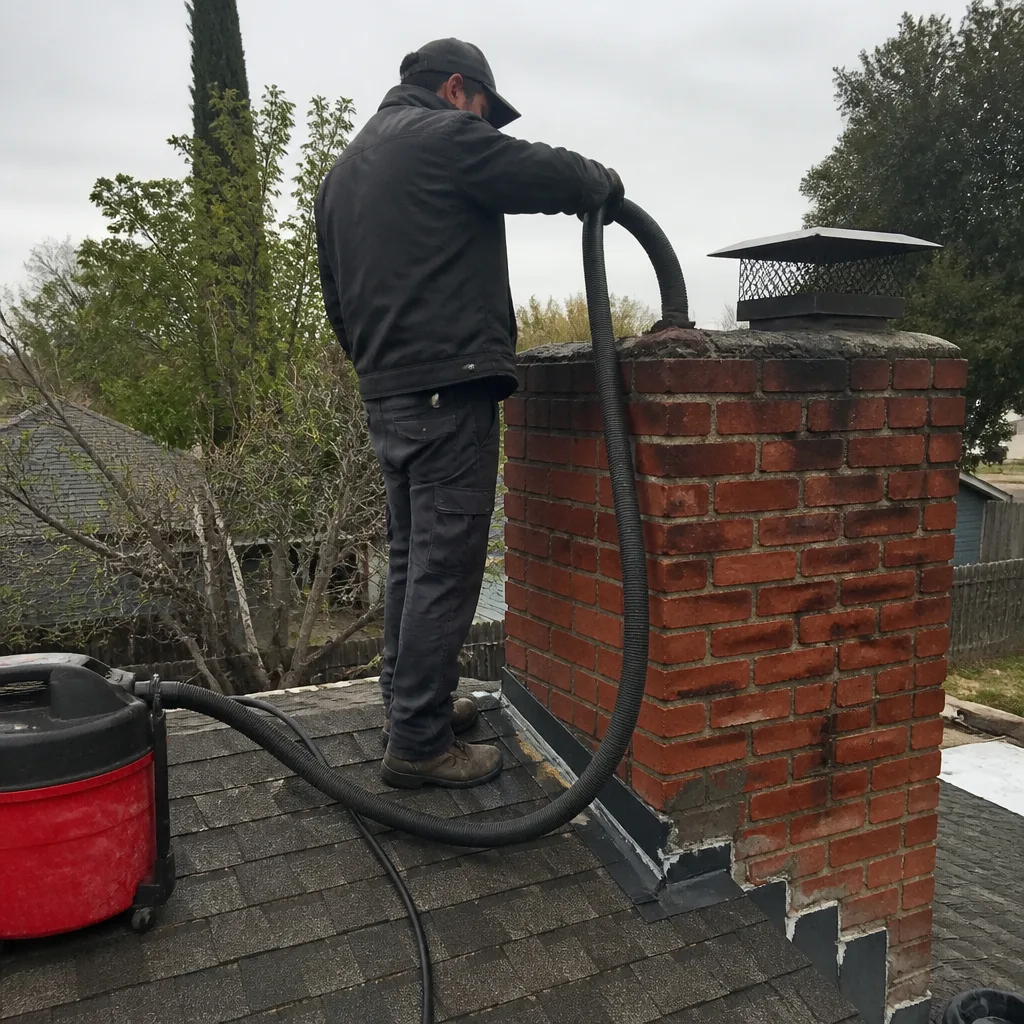
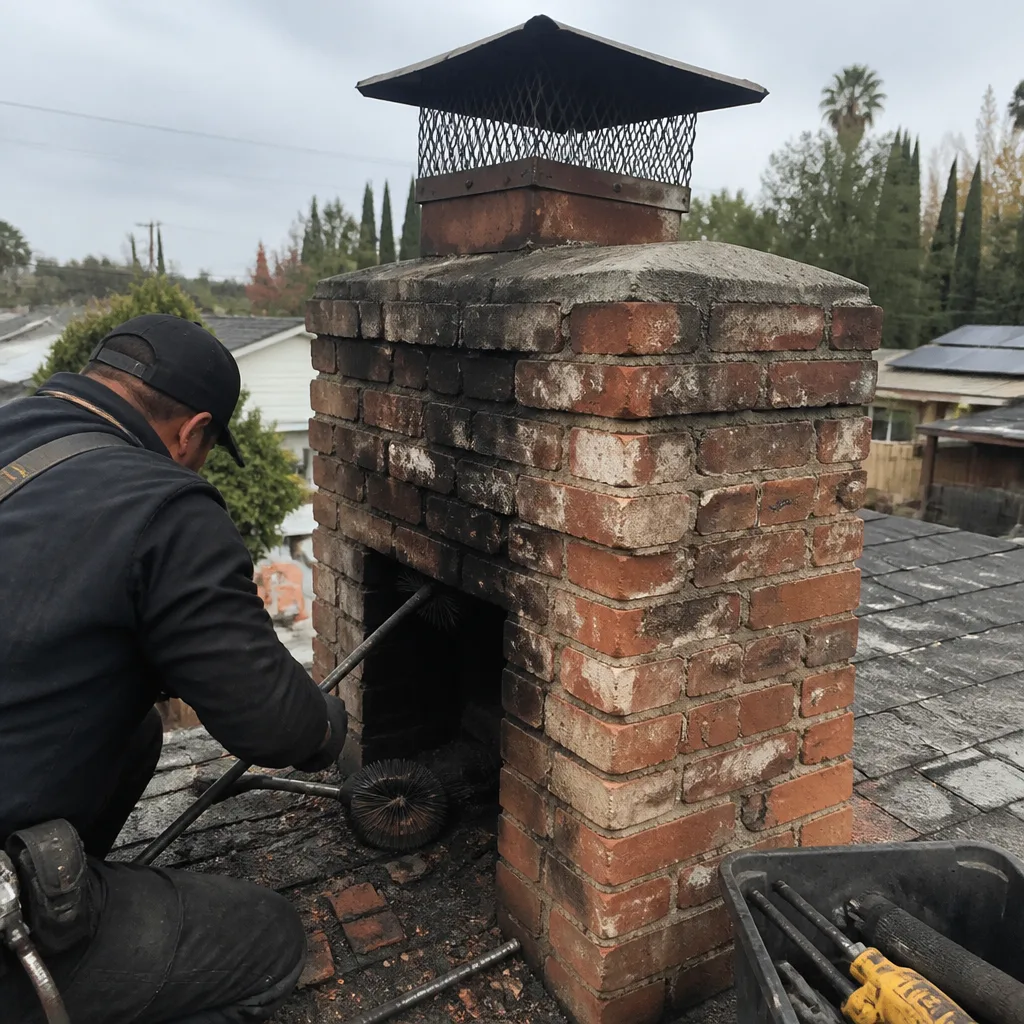
Level 1 sweep and inspection to the NFPA 211 annual standard - flue, crown, cap, and flashing checked and photographed
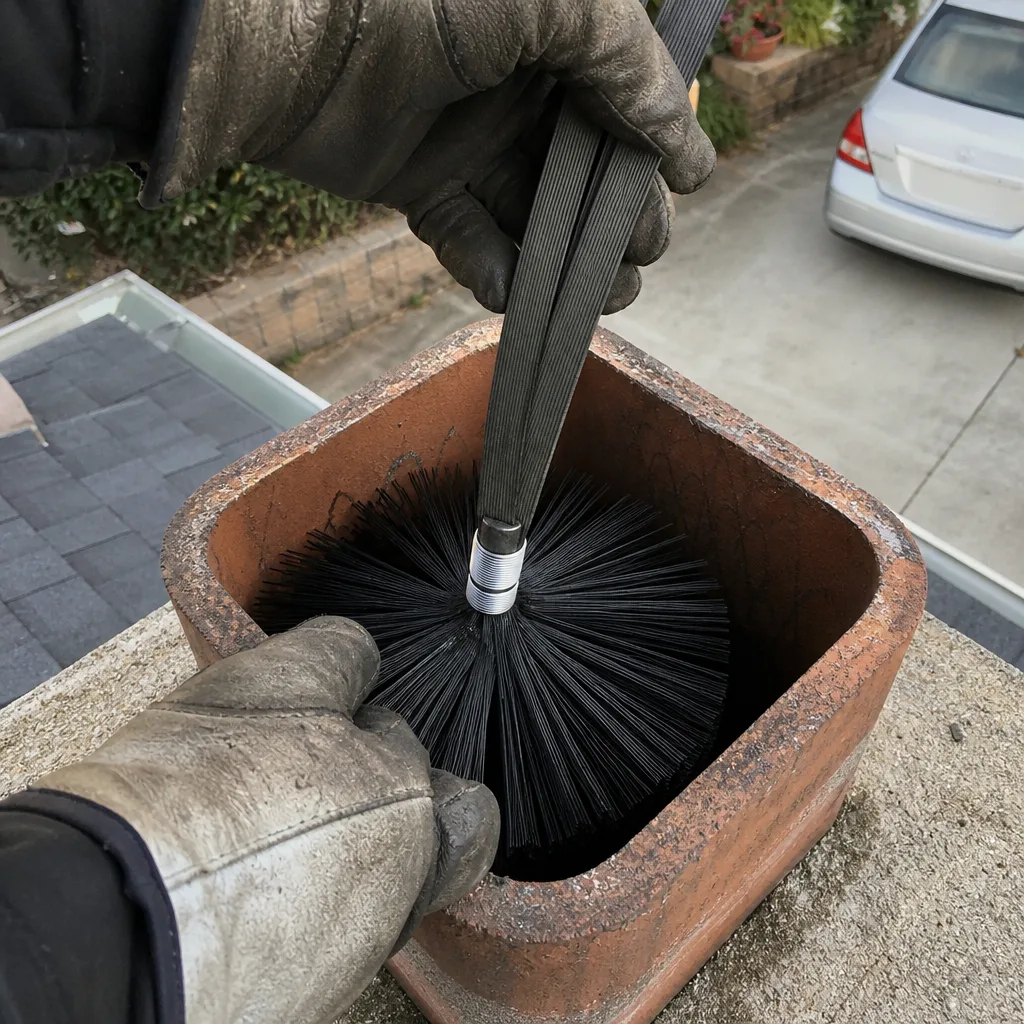
Chimney sweep logs do not sweep chimneys. They loosen some creosote - which then falls where a brush and vacuum still have to collect it.
Choosing the Right Chimney Cleaning Brand: A Buyer’s Guide for Arden-Arcade
When a chimney sweep can’t tell you the brand of liner they’re installing, that’s not a minor gap in product knowledge. It’s evidence they either don’t know or don’t think you’ll ask, and either answer tells you something important about the work. Most Arden-Arcade homeowners focus on price and scheduling when hiring a chimney company, but the brands a contractor reaches for on every job are a more reliable indicator of what’s actually going to happen on your roof. This guide explains what professional-grade chimney products signal about a contractor’s training, supplier relationships, and accountability, and what off-brand or unspecified materials suggest. For The Complete Chimney Sweep Guide for Arden-Arcade Homeowners, see our full resource. By the end, you’ll know exactly what to ask and how to interpret the answers.
Styles & brands we work with
- Sweep & inspection
- Caps & crowns
- Flue relining
- Masonry repair
- Gas fireplace service
Quick Answer
The right chimney cleaning brand is less about a single product name and more about whether your sweep uses recognized industry materials from manufacturers like Famco, Copperfield, DuraFlex, and HeatShield. In Arden-Arcade, contractors who specify these brands are signaling certified training, professional supplier relationships, and accountability for long-term performance. Contractors who can’t name their materials or rely on generic hardware-store substitutes are revealing something about their standards before they ever set foot on your roof.
Table of Contents
- Why the Brand on the Box Matters More Than the Name on the Truck
- Professional-Grade vs. Off-Brand: What the Difference Actually Means
- Liner Material Specifications: 316Ti, 304, and 316L Explained
- Chimney Caps and Dampers: Why Material Choice Matters in Arden-Arcade
- How to Ask About Equipment and Evaluate the Answer
- What Brand Use Signals About Supplier Relationships and Accountability
- HeatShield and DuraFlex: What These Brands Mean for Repair Scope
- Common Mistakes to Avoid
- When to Call a Professional
- Frequently Asked Questions
- The Bottom Line
Why the Brand on the Box Matters More Than the Name on the Truck
Chimney sweeping looks simple from the ground. A technician climbs up, runs some brushes through the flue, and comes back down. But the difference between a thorough cleaning and a cosmetic pass-through lives in the equipment choices made before the ladder ever goes up. Professional-grade brands exist because the chimney industry has specific performance demands: brushes that conform to flue dimensions without damaging masonry, rods that lock together securely at height, and inspection tools that actually show what’s happening inside a flue. See our Complete Guide to Chimney Cleaning in Arden-Arcade for more on what thorough cleaning involves.
In Arden-Arcade, we see this play out every season. Homes here range from mid-century ranch styles near Arden Way with original masonry chimneys to newer construction with factory-built systems. The tools and materials that work properly across that range are not interchangeable with what you’d find in the cleaning aisle at a big-box store. A professional sweep who specifies Famco caps, Copperfield dampers, or DuraFlex liners is telling you something about their standards. They’re buying from industrial and trade suppliers, not retail shelves.
Think of it like this: you wouldn’t expect a mechanic who uses only no-name parts to stand behind their work the same way one who installs recognized OEM components would. The chimney trade works the same way. Brands carry technical specifications, performance testing, and warranty documentation. Generic products carry a price tag and a hope.
Professional-Grade vs. Off-Brand: What the Difference Actually Means
The chimney industry has a clear split between professional supply channels and consumer retail. Professional sweeps order through distributors that carry brands like Gelco, Olympia Chimney, Famco, and Copperfield. These manufacturers build products to meet code requirements and industry standards, and they maintain technical support lines for installers. When a professional uses these products, they’re connected to a supply chain that provides documentation, testing data, and warranty support.
Off-brand or generic products bypass that accountability. A no-name chimney cap from an online marketplace may look identical in a photo, but there’s no engineering data behind the metal gauge, no corrosion testing for outdoor exposure, and no manufacturer standing behind the product when it fails two years in.
Here’s what professional-grade brand use actually signals:
- Training and certification: Brands like DuraFlex and HeatShield offer installer training programs. Contractors who use these products have typically completed manufacturer-specific education.
- Supplier relationships: Professional distributors vet their contractors. You can’t walk into a consumer store and buy Famco products off the shelf.
- Warranty accountability: Recognized brands honor warranties through their contractor network. Generic products often have no warranty path at all.
- Code compliance: Professional-grade materials are tested to UL standards and local building codes. Generic imports may not be.
- Performance documentation: Brands publish specifications for corrosion resistance, temperature tolerance, and structural load. Unbranded products publish nothing.
For Arden-Arcade homeowners, this distinction matters because our climate punishes outdoor chimney components. Summer temperatures regularly push past 95 degrees, winter brings rain, and the Sacramento Valley’s dry heat accelerates material fatigue. A galvanized economy cap might last three seasons before rust shows. A stamped stainless or copper cap from Famco or Copperfield is built for decades of that exposure.
Liner Material Specifications: 316Ti, 304, and 316L Explained
When a chimney company recommends a new liner, the conversation should get specific fast. Liner material grades are not marketing jargon. They’re metallurgical specifications that determine how long your liner survives contact with combustion byproducts. In Arden-Arcade, where many homes burn wood regularly through fall and winter, the wrong alloy means premature corrosion and a liner replacement you weren’t planning for.
304 stainless steel is the base grade for chimney liners. It handles dry wood-burning exhaust reasonably well but has known vulnerabilities to chlorides and acidic condensate. If you burn wood with any moisture content or your flue runs cool, 304 can corrode faster than expected.
316L stainless steel adds molybdenum to the alloy, which significantly improves resistance to chlorides and acidic conditions. The “L” designation means lower carbon content, which helps with welding integrity. For gas appliances, 316L is the standard recommendation because gas combustion produces acidic condensate that eats through lesser alloys.
316Ti stainless steel adds titanium to the mix. The titanium stabilizes the alloy at high temperatures, preventing a failure mode called sensitization where chromium carbides form at grain boundaries and leave the metal vulnerable to corrosion. For wood-burning applications, especially with higher flue temperatures, 316Ti is the top-shelf choice. It costs more, but it’s what you want if you’re installing a liner you never want to think about again.
Here’s a practical breakdown:
- Wood-burning, occasional use: 316Ti is the premium choice. 304 works but requires more diligent maintenance.
- Wood-burning, heavy use: 316Ti, no question. High heat cycling demands the titanium stabilization.
- Gas insert or gas log: 316L handles acidic condensate better than 304.
- Oil-fired appliances: 316L or 316Ti, never 304. Oil combustion produces aggressive acidic deposits.
Most Arden-Arcade homes fall into wood-burning or gas categories. If you’re switching from wood to gas, your existing liner may not be appropriate for the new fuel type, and this is exactly where a knowledgeable contractor earns their fee. A Chimney Repair in Arden-Arcade should be able to explain the alloy tradeoffs in plain language before quoting a liner job.
Chimney Caps and Dampers: Why Material Choice Matters in Arden-Arcade
Chimney caps and dampers are the most exposed components on your chimney system. They sit in direct sun, rain, and wind every day of the year. In Arden-Arcade’s climate, material choice is not optional. It’s the difference between a component that lasts twenty years and one that rusts through in five.
Galvanized steel is the economy option. It’s coated with zinc to resist corrosion, but that coating eventually breaks down, especially under repeated heating and cooling cycles. Once the zinc layer is compromised, the underlying steel rusts quickly. We regularly replace galvanized caps in Arden-Arcade that are less than five years old, with rust stains running down the chimney chase.
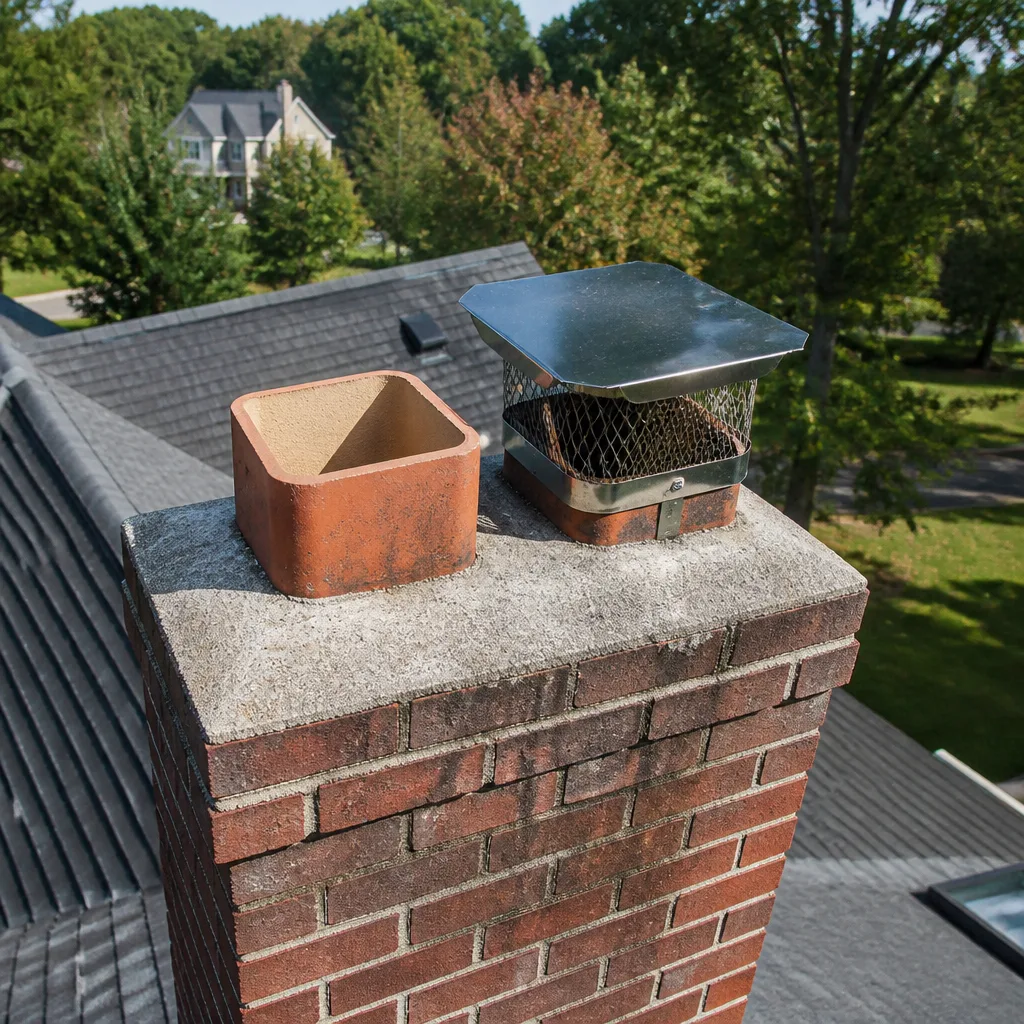
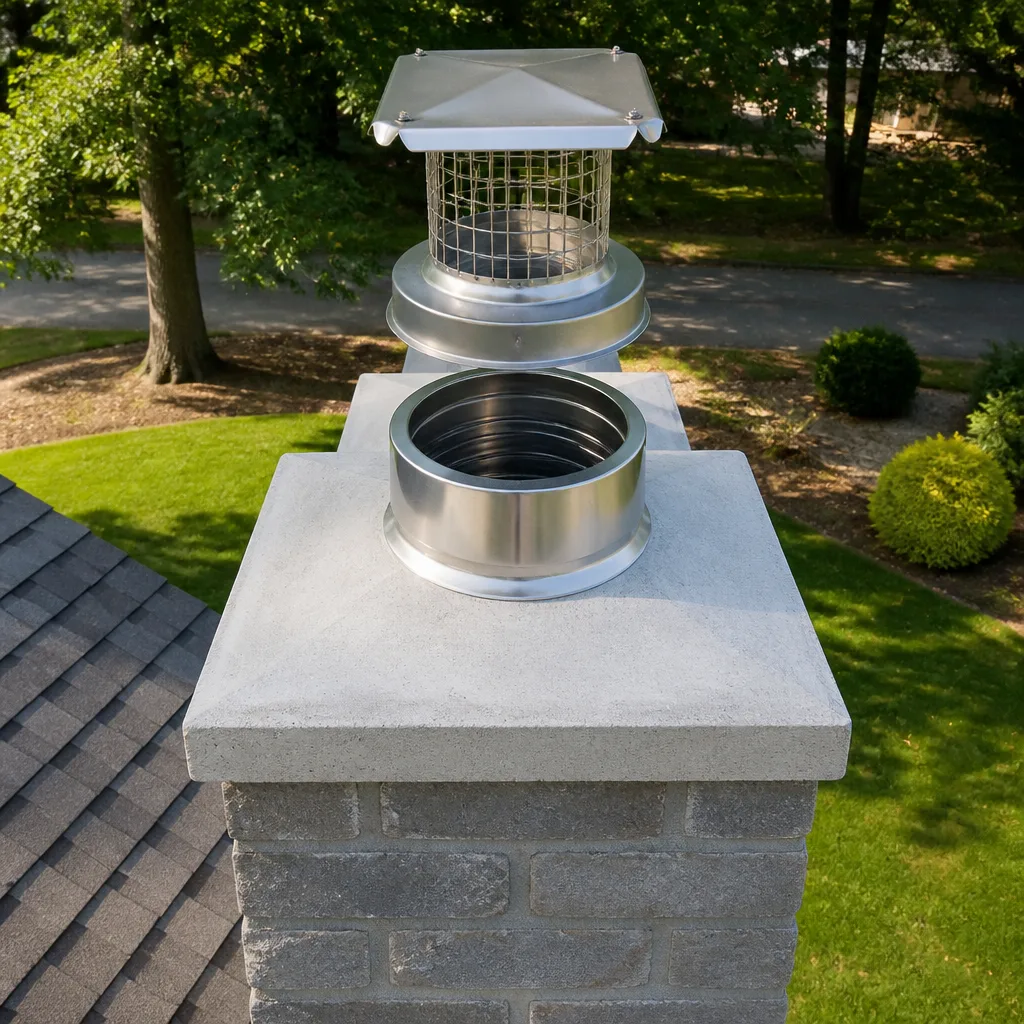
Stamped stainless steel from manufacturers like Famco and Copperfield uses 304 or 316 alloys that resist corrosion without a sacrificial coating. The stainless is structural, not just surface-treated. These caps handle Arden-Arcade’s summer heat and winter rains without breaking down.
Copper is the premium option. It develops a patina over time that actually protects the underlying metal. Copper caps and dampers can outlast the chimney structure itself if properly installed. They cost significantly more, but for homeowners planning to stay in their homes for decades, the math often works out.
What to look for when evaluating caps and dampers:
- Material specification: Ask what alloy the cap is made from. “Stainless steel” should be followed by “304” or “316” if the contractor knows their products.
- Construction method: Stamped and welded construction outlasts riveted or glued assembly. Look for solid seams.
- Screen mesh: The spark arrestor mesh should be stainless, not galvanized. Galvanized mesh rusts first and blocks airflow.
- Damper seal: A good damper seats tightly enough to stop airflow and conditioned air loss. Rubber or silicone gaskets outperform metal-on-metal seals.
- Warranty: Professional brands provide written warranties. Ask to see it before installation.
This is another area where the brand question pays off. Famco and Copperfield publish material specs and warranty terms for every product. A no-name cap from a marketplace listing gives you neither.
How to Ask About Equipment and Evaluate the Answer
The cleanest way to assess any chimney contractor in Arden-Arcade is to ask direct questions and pay attention to how they respond. A technically confident sweep answers with specifics. An evasive or vague answer is a signal in itself, and it’s one you should trust.
Here’s a step-by-step process for evaluating any chimney company:
- Ask what brands they use for liners, caps, and dampers. A professional answer names manufacturers immediately: “We install DuraFlex liners and Famco caps.” A vague answer sounds like: “We use whatever the supplier has” or “All the brands are basically the same.”
- Ask why they chose those brands. A good answer references technical reasons: “316Ti holds up better to wood-burning temperatures” or “Copperfield’s damper gaskets seal tighter than anything else we’ve tested.” A weak answer references price: “They’re cheaper for the customer.”
- Ask about warranty terms. Professional-grade brands have specific warranty periods and conditions. A contractor who can’t explain the warranty on materials they’re installing either doesn’t know or doesn’t care.
- Ask whether they handle repairs, not just cleaning. A sweep who only cleans and never repairs may not carry professional-grade materials at all. The ability to fix what’s found requires stocking or ordering from industrial suppliers.
- Ask to see the materials before installation. Any reputable contractor will show you the liner, cap, or damper going on your chimney. If they won’t, that’s a red flag.
One more thing worth noting: in our experience serving Arden-Arcade, the contractors who specify their materials by brand are the same ones who show up on time, provide written quotes, and stand behind their work. The correlation is not perfect, but it’s strong enough that we’d never hire a chimney company that couldn’t answer the brand question.
What Brand Use Signals About Supplier Relationships and Accountability
Professional chimney products flow through a different supply chain than consumer retail products. Brands like DuraFlex, HeatShield, Gelco, Olympia Chimney, Famco, and Copperfield sell through industrial distributors who work with certified contractors. These distributors maintain accounts, track purchases, and provide technical support. A contractor can’t just walk in off the street and open an account without demonstrating legitimacy.
That supply chain structure creates accountability. If a liner fails, the manufacturer can trace it back through the distributor to the installing contractor. The contractor’s reputation with their supplier is on the line. This is a fundamentally different accountability model than a handyman buying a generic kit from a retail store or online marketplace, where no one is tracking anything.
Here’s what professional brand use signals about a contractor’s standing:
- Trade relationships: They have established accounts with industrial distributors. These relationships take years to build and require consistent, legitimate business operations.
- Manufacturer training: DuraFlex and HeatShield offer installer certification programs. Contractors using these products have typically completed them.
- Warranty support: When a professional-grade product fails under warranty, the contractor can process a claim through their distributor. Generic product warranties are often impossible to enforce.
- Ongoing education: Professional manufacturers update their products and installation methods. Contractors connected to these brands stay current because their suppliers push updates to them.
- Industry reputation: The chimney trade is small. Contractors with professional supplier relationships tend to have standing in the local and national trade communities.
For an Arden-Arcade homeowner, this translates to a practical question: do you want a contractor who is accountable to anyone beyond their next invoice? Professional brand use suggests yes. It means the contractor has to answer to a manufacturer, a distributor, and a warranty system if their work fails.
HeatShield and DuraFlex: What These Brands Mean for Repair Scope
Two brand names deserve special attention because they signal repair capabilities that go well beyond basic sweeping. Most Arden-Arcade homeowners don’t know these products exist, but knowing about them changes what you should expect from a chimney company.
HeatShield is a chimney flue resurfacing system. When the clay tile liner inside a masonry chimney cracks or deteriorates, the traditional fix was a full liner replacement, which could involve significant demolition. HeatShield offers a different path: a specialized coating system that resurfaces the existing flue, restoring structural integrity and sealing gaps without the need for rebuilding. It’s a specialized repair that requires manufacturer training and specific equipment. Most basic sweep operations cannot perform HeatShield work because they haven’t invested in the training or the materials.
DuraFlex is a flexible stainless steel liner system used for relining chimneys. The brand matters because DuraFlex liners are built to UL 1777 standards for chimney liner systems, and they come in different alloy grades (304, 316L, 316Ti) depending on the application. A contractor who installs DuraFlex is trained in the full relining process, not just surface-level maintenance. The system includes specific components for connecting to appliances, terminating at the chimney top, and sealing around the liner.
Why this matters for Arden-Arcade homeowners:
- Damage found during cleaning can often be fixed the same visit. A company with HeatShield and DuraFlex capability can move from diagnosis to repair without scheduling a second contractor.
- The repair scope is wider. Chimneys with cracking flue tiles, deteriorated mortar joints, or missing liner sections may be repairable without full rebuild.
- The materials are documented. Both brands provide written specifications, warranty terms, and installation documentation that become part of your home’s permanent record.
- The contractor has invested in capability. HeatShield and DuraFlex training costs real money. A contractor who has paid for it is committed to the trade, not moonlighting.
If you call a chimney company in Arden-Arcade and they can’t tell you what they’d do about a cracked flue tile, that tells you their repair scope. A company that mentions HeatShield or DuraFlex is operating at a different level. Our Chimney Sweep Arden-Arcade home page covers the full scope of what’s possible when a sweep is equipped for both cleaning and repair.
Common Mistakes to Avoid
- Hiring based on price alone. The lowest bid often comes with generic materials and no warranty support. A liner that fails in five years costs more than one that lasts thirty.
- Not asking about brands. If you don’t ask, you won’t know. A contractor who specifies Famco caps and DuraFlex liners is telling you something. A contractor who can’t answer is telling you something too.
- Assuming all stainless steel is the same. 304, 316L, and 316Ti are different alloys with different corrosion profiles. For Arden-Arcade’s wood-burning chimneys, 316Ti is the right choice and costs more for a reason.
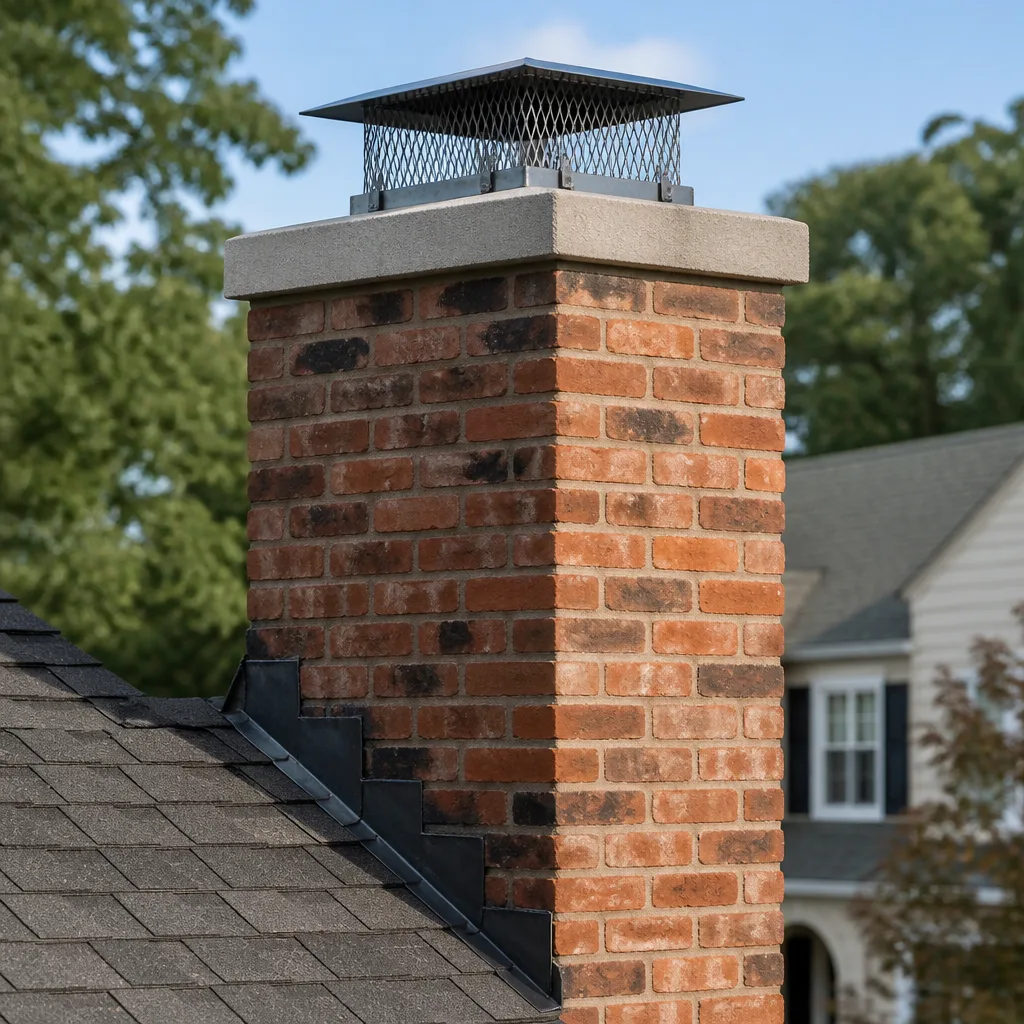
- Skipping the chimney cap question. A missing or deteriorated cap invites water damage, animal entry, and debris buildup. The cap material matters as much as the cap itself.
- Ignoring dryer vents. Dryer vent fires are a leading cause of residential fire in Arden-Arcade. A company that handles both Chimney Sweep in Arden-Arcade and dryer vent cleaning saves you a second call and addresses both major fire-risk systems.
- Accepting vague answers about repair scope. “We’ll take a look” is not a repair plan. Ask what they’d do about specific findings and what materials they’d use.
- Not getting the warranty in writing. Verbal assurances fade. Professional-grade brands provide written warranty documentation. Ask to see it before work begins.
When to Call a Professional
Some chimney work is genuinely dangerous to attempt yourself. High-tension springs, rooftop access, and working at height are all outside the scope of safe DIY. If you notice any of the following in your Arden-Arcade home, call a professional rather than attempting a fix: visible rust or holes in your chimney cap, water stains on ceilings near the chimney, a fireplace that smokes back into the room, flaky or cracked mortar joints on the chimney exterior, or a dryer that takes longer than one cycle to dry clothes. Each of these suggests a problem that a trained technician can diagnose with proper equipment. Chimney Sweep Arden-Arcade offers free estimates in Arden-Arcade. Call (833) 589-9906 to schedule an inspection.
Frequently Asked Questions
A professional chimney sweep in Arden-Arcade typically ranges from $150 to $350 depending on chimney type, accessibility, and the amount of creosote buildup. Wood-burning chimneys with heavy use or visible glaze can run higher. Call (833) 589-9906 for an exact quote based on your chimney’s condition and history.
The National Fire Protection Association recommends annual chimney inspection, with sweeping as needed based on buildup. Homes in Arden-Arcade that burn wood regularly through fall and winter typically need sweeping every year. Gas fireplaces can go longer between cleanings but still need periodic inspection for venting and component wear.
A legitimate liner recommendation is based on documented damage: cracked clay tiles, gaps at mortar joints, or corrosion from acidic condensate. Any contractor recommending a liner replacement should show you camera footage or photos of the damage. If they can’t show you the problem, get a second opinion. Our Chimney Repair in Arden-Arcade service always includes visual documentation before any repair recommendation.
Creosote accumulates with every wood fire, and creosote is flammable. A thick enough layer can ignite at normal fireplace temperatures, causing a chimney fire that can reach 2,000 degrees and crack flue tiles, damage masonry, and spread to the house structure. Beyond fire risk, accumulated debris can block proper venting and push carbon monoxide back into your home. The risks are real, and they compound with each skipped season.
Yes, and this is worth looking for in Arden-Arcade. Chimney fires and dryer vent fires are two of the leading household fire causes in the United States. A company that handles Dryer Vent Cleaning in Arden-Arcade in addition to chimney sweeping means one call addresses both risk points, and you’re dealing with a contractor who understands venting systems broadly, not just one narrow service.
Professional chimney contractors in Arden-Arcade typically specify brands like Famco for caps, Copperfield for dampers, DuraFlex for liners, and HeatShield for flue resurfacing. These are trade-distributed products with published specifications and warranty support, not retail hardware items. If a contractor can’t name their material brands, that’s a signal to keep looking. Call (833) 589-9906 to ask us directly about what we use and why.
The Bottom Line
Chimney cleaning brands matter because they’re a proxy for everything else about a contractor’s operation. Professional-grade materials from Famco, Copperfield, DuraFlex, and HeatShield signal trained technicians, documented specifications, and warranty accountability. Generic or unnamed products signal the opposite. In Arden-Arcade’s climate, which punishes outdoor chimney components and rewards diligent maintenance, the difference shows up in how long your repairs last and whether your chimney system stays safe through every burning season. Ask the brand question. Listen to the answer. It will tell you most of what you need to know. Browse our more guides & resources for additional homeowner tips.
Written by the team at Chimney Sweep Arden-Arcade, serving Arden-Arcade since 2017.
See the difference
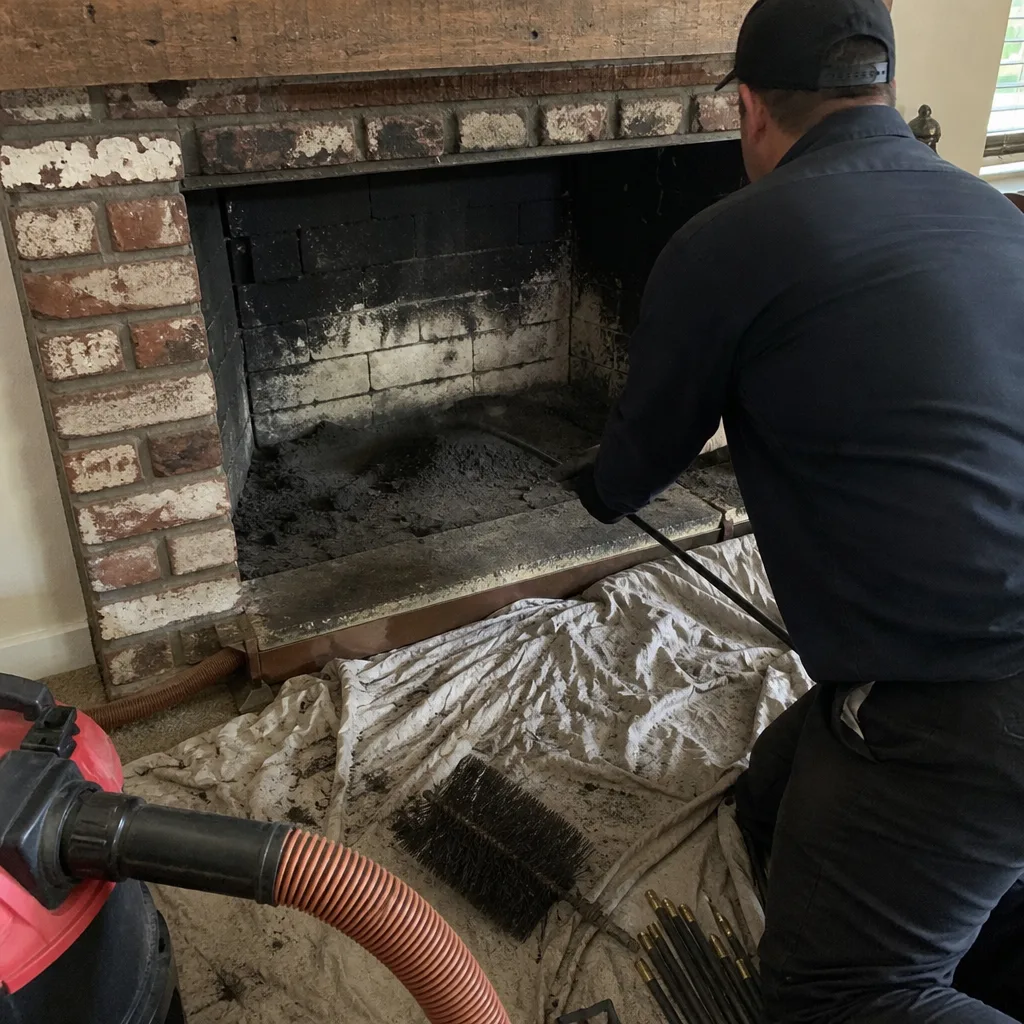 Before
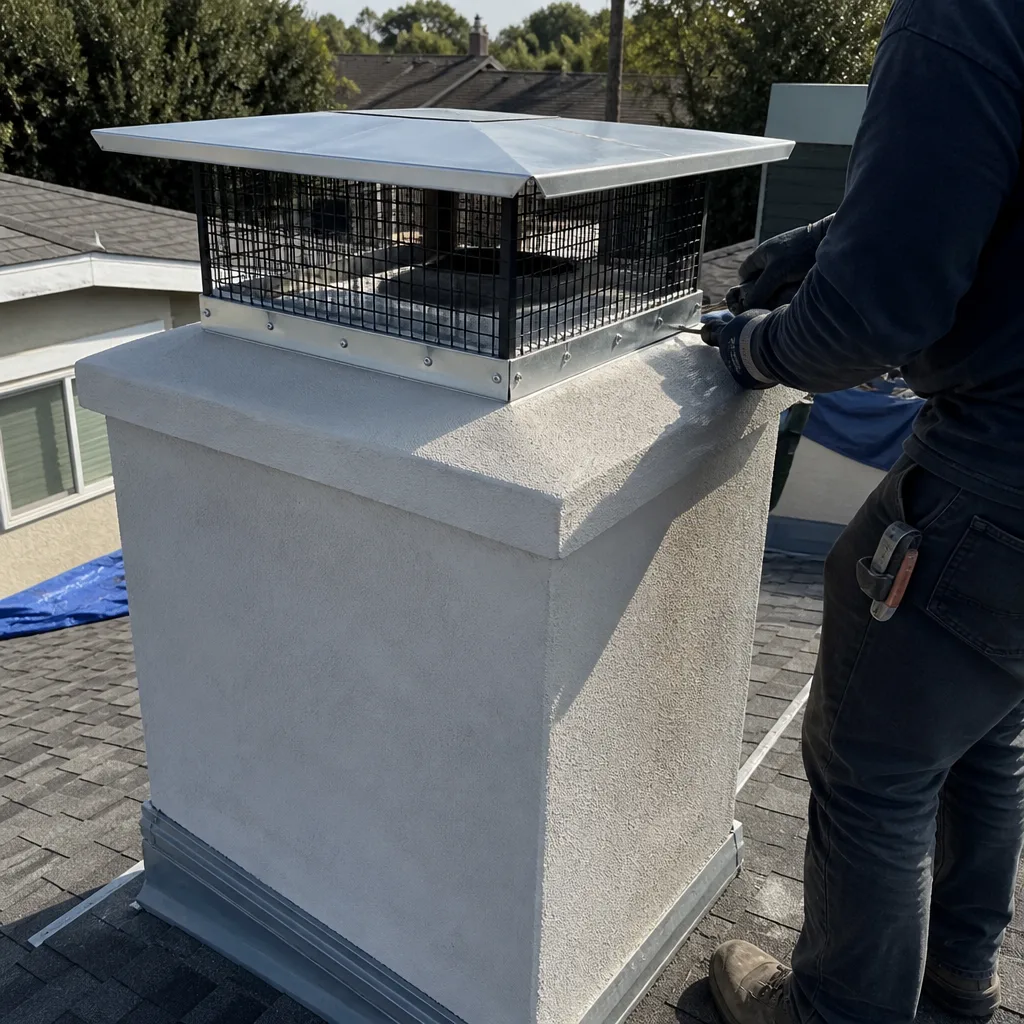 After
 Before
 After
 Before
 After