
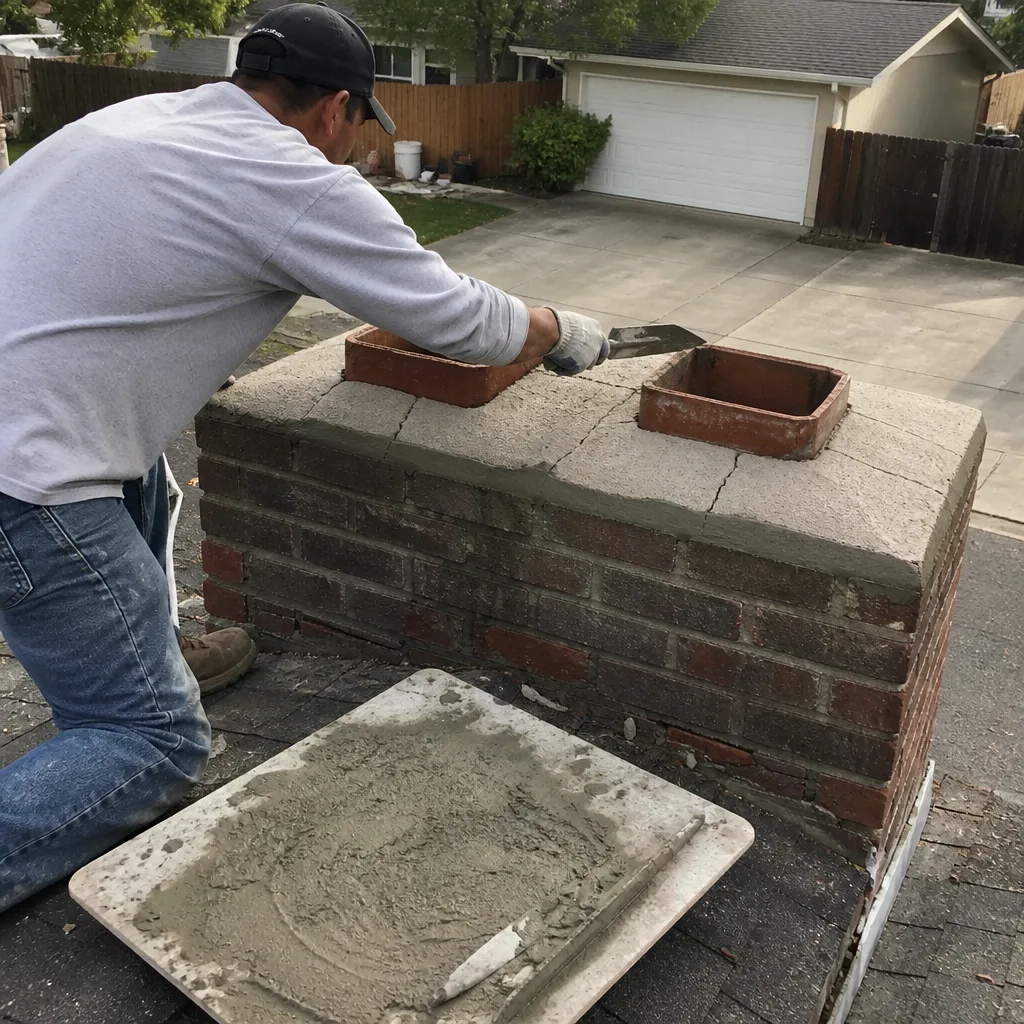
Last updated November 2, 2026
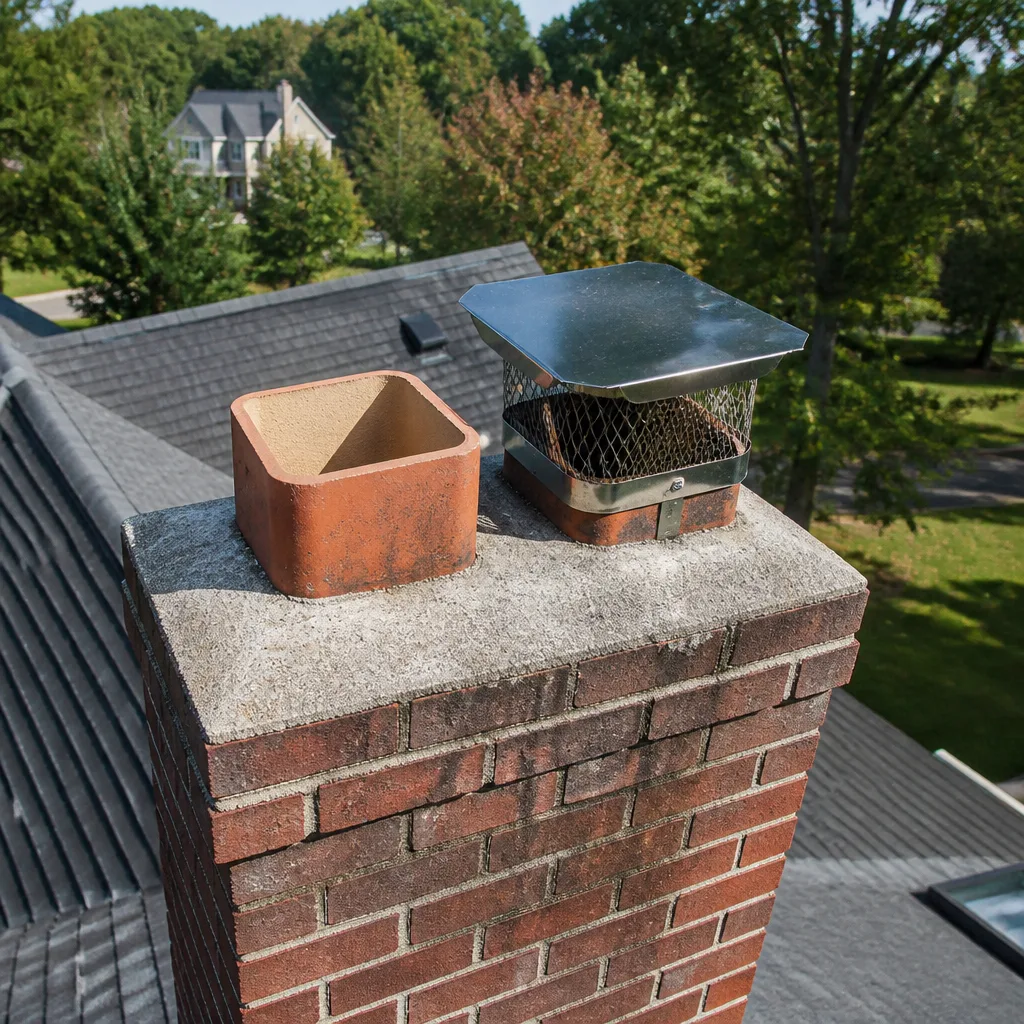 Sweep & inspection
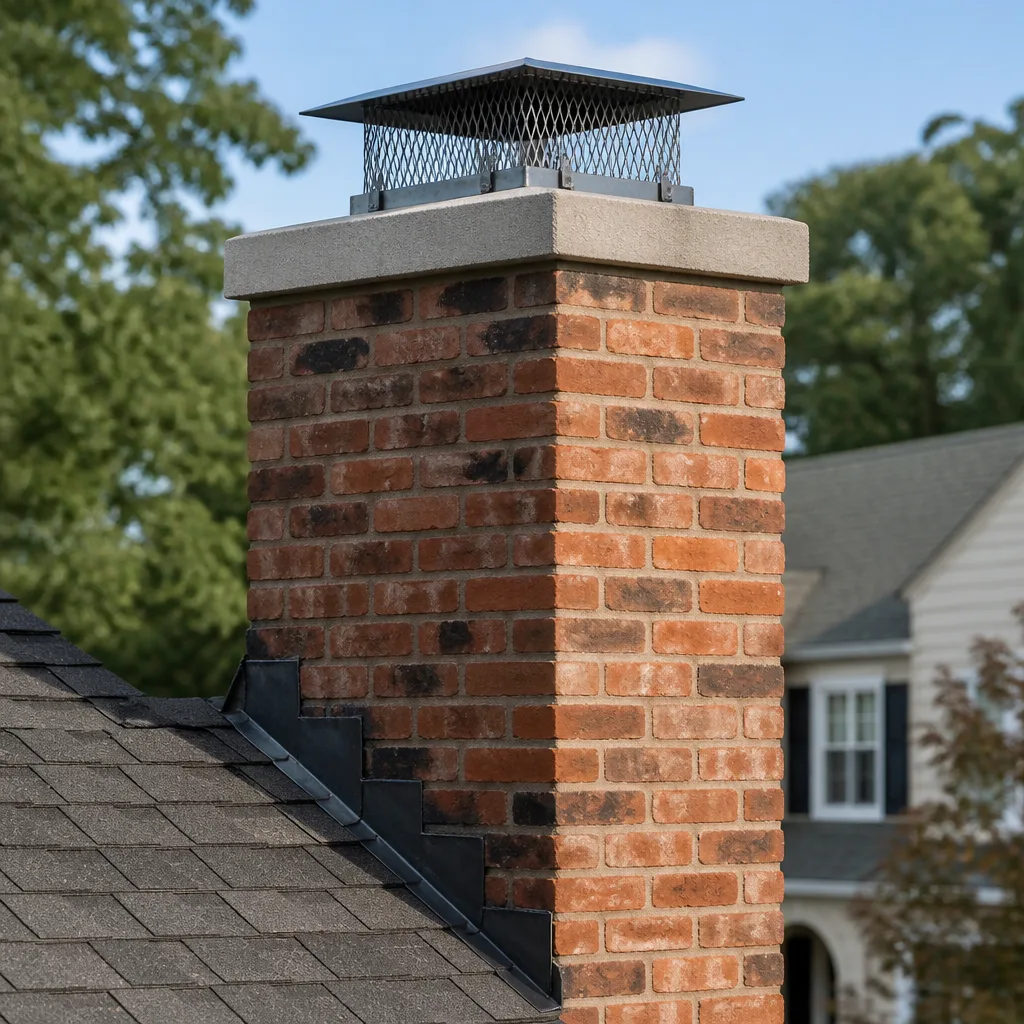 Caps & crowns
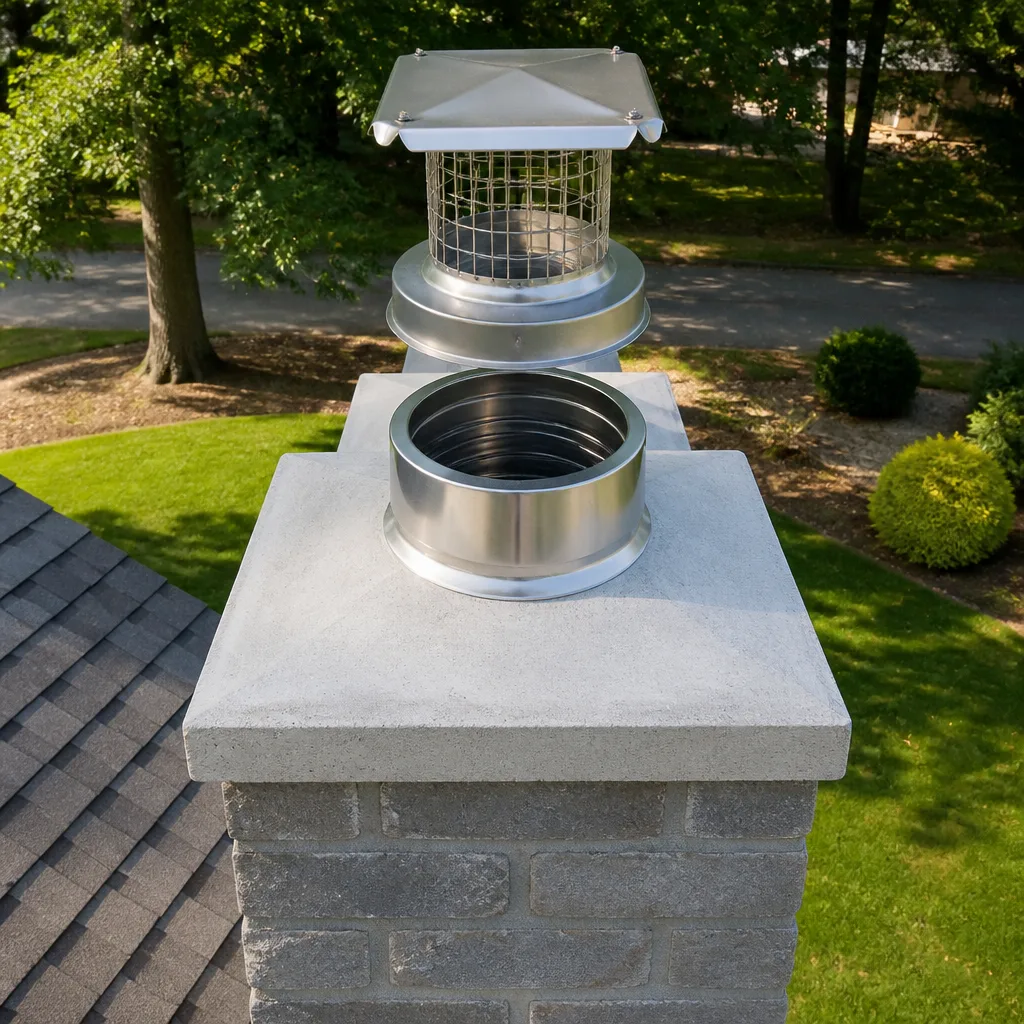 Flue relining
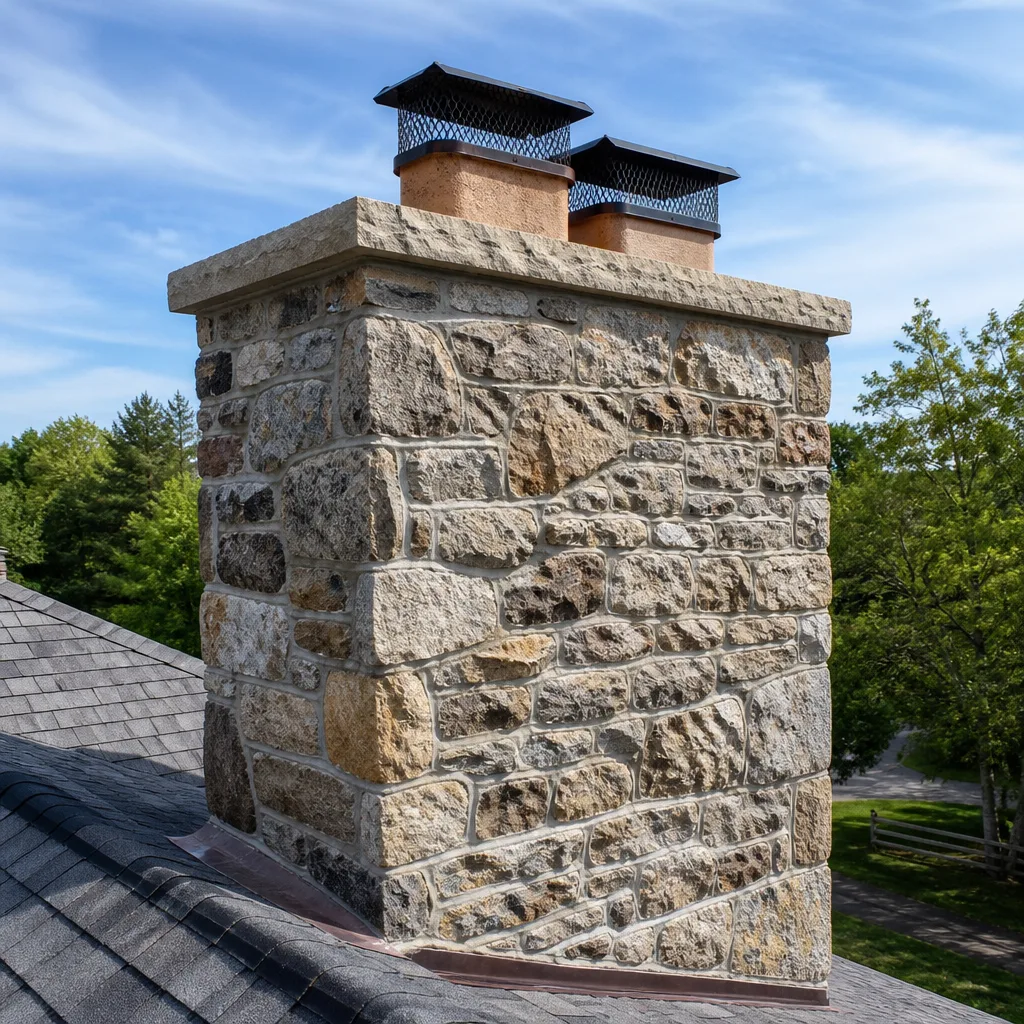 Masonry repair
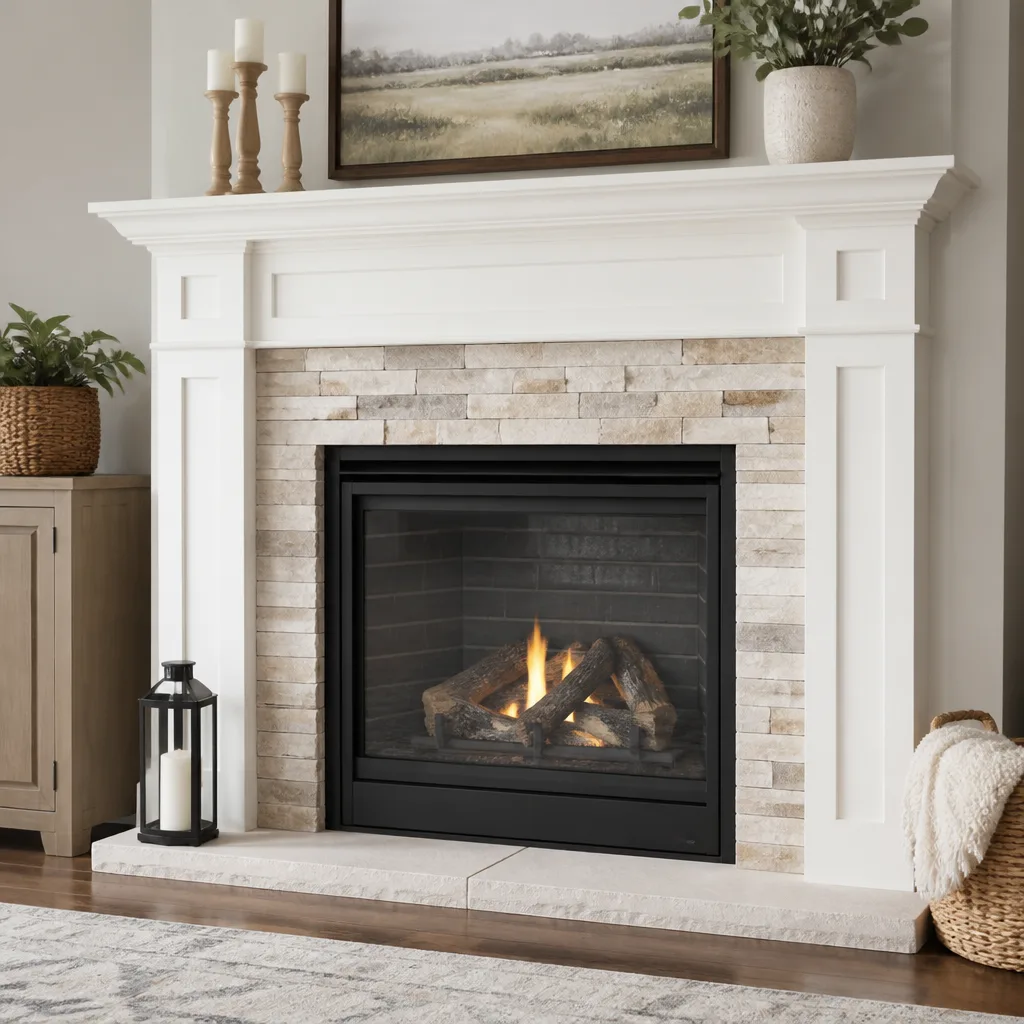 Gas fireplace service
Level 1 sweep and inspection to the NFPA 211 annual standard - flue, crown, cap, and flashing checked and photographed
Chimney sweep logs do not sweep chimneys. They loosen some creosote - which then falls where a brush and vacuum still have to collect it.
DIY vs Professional Chimney Cleaning: The Arden-Arcade Homeowner’s Decision Guide
According to the National Fire Protection Association, chimney fires account for roughly 25,000 residential fires annually in the United States, and the leading cause is simply a dirty flue. Here’s the part most guides won’t tell you: a homeowner with a straight, accessible chimney and a basic brush kit can remove loose soot. What that same homeowner cannot do is determine whether the flue liner has hairline cracks leaking carbon monoxide into the wall cavity, or whether the shiny, tar-like substance on the flue walls is stage 3 creosote that will not respond to brushing at all. In Arden-Arcade, where older homes from the 1950s and 60s often have original masonry chimneys and cooler winter nights mean frequent fireplace use, knowing where that line sits is the difference between a safe fire season and an expensive claim. For more on finding qualified help, this guide walks through exactly what DIY cleaning can and cannot accomplish, what tools actually matter, and when professional service is not optional.
Styles & brands we work with
- Sweep & inspection
- Caps & crowns
- Flue relining
- Masonry repair
- Gas fireplace service
Quick Answer
DIY chimney cleaning can remove loose, powdery soot from a straight, accessible flue using a basic brush kit, but it cannot assess liner integrity, classify creosote stages, detect drafting problems, or document the work for insurance purposes. For homes in Arden-Arcade with regular wood-burning fireplace use, professional cleaning with camera inspection is the standard of care because it verifies the flue is actually safe, not just visibly cleaner. The honest boundary: if your chimney is straight, recently inspected, and you’re comfortable on a ladder with proper fall protection, a between-sweep brushing is reasonable. Everything beyond that belongs with a trained sweep.
Table of Contents
- What DIY Chimney Brushing Can Actually Accomplish
- What DIY Cannot Do: The Diagnostic Ceiling
- The Equipment Gap: Consumer Brushes vs Commercial Tools
- Creosote Stages and Why Classification Matters
- Insurance, Liability, and Documentation
- A Go/No-Go Framework for Arden-Arcade Homeowners
- What a Professional Sweep Actually Includes
- Common Mistakes to Avoid
- When to Call a Professional
- Frequently Asked Questions
- The Bottom Line
What DIY Chimney Brushing Can Actually Accomplish
A hardware store chimney brush kit costs between $40 and $90 and typically includes a polypropylene or wire brush head, several fiberglass extension rods, and sometimes a tarp or drop cloth. With that kit, you can do one thing well: knock loose the light, flaky soot that accumulates on flue walls after burning seasoned wood. That’s the powdery, gray-brown material that brushes away with mild resistance. In a straight flue with no offsets, a round brush sized to match your flue diameter (typically 6, 7, or 8 inches) will remove most of that type of soot in 30 to 45 minutes of work. If you burn only well-seasoned hardwood and have your chimney inspected professionally every other year, this kind of between-service brushing can extend the interval between full cleanings. That’s the honest capability ceiling. It is not the same as a sweep.
The key distinction most Arden-Arcade homeowners miss is that brushing removes deposits but does not evaluate condition. A chimney can look clean after a DIY brushing while still having a cracked flue tile, a deteriorated mortar joint, or a blockage you cannot see from the top or the firebox. Brushing also does nothing for the smoke chamber, the area above the damper where turbulence causes creosote to accumulate unevenly. That zone requires tools and angles that consumer kits do not reach effectively. So the realistic answer is: yes, you can brush a straight flue. But you cannot verify that what you left behind is safe.
There’s also a physical access reality. Arden-Arcade ranch homes from the postwar era often have low-pitch roofs that are relatively easy to walk, but two-story homes near American River Drive or in areas like Arden Park can have steep roof planes and limited chimney access. Working on a roof with a brush kit means both hands occupied on a tool while maintaining balance. If you’re at all unsure about roof safety, do not do this. The cost of a professional sweep is a fraction of an emergency room visit.
What DIY Cannot Do: The Diagnostic Ceiling
A trained chimney sweep is not primarily a brusher. A sweep is a diagnostician who happens to carry brushes. The inspection component is where consumer capability ends and professional judgment begins. Here are the specific diagnostic steps that only a trained sweep performs, and why each one matters for an Arden-Arcade home.
Camera Liner Inspection
Modern chimney sweeps run a camera up the flue on a flexible cable. This reveals what no amount of brushing can show: hairline cracks in clay tile liners, gaps where mortar has failed, or the separation of liner sections at joints. In older Arden-Arcade masonry chimneys, clay tile liners installed in the 1960s and 70s are now reaching the end of their service life. A camera inspection can show whether those tiles are still intact or whether you’re one hot fire away from combustion gases entering the wall cavity. No consumer brush kit has this capability, and no amount of soot removal addresses it.
Smoke Draft Testing
A sweep can perform a smoke draft test to confirm the flue pulls combustion gases up and out rather than spilling them into the living space. This is especially relevant in Arden-Arcade homes that have been tightened up with new windows, insulation, or weatherstripping. Tight houses can create negative pressure that overwhelms a marginal draft. You cannot assess this from the roof with a brush. It requires a measured test at the firebox with the damper open and the house in normal operating condition.
Creosote Stage Classification
Creosote is not a single substance. It forms in three distinct stages, and each requires a different removal method. Stage 1 is the flaky, brushable soot most people picture. Stage 2 is a thicker, crunchier deposit that often requires a rotary loop tool or chemical treatment before brushing will be effective. Stage 3 is a hardened, tar-like glaze that can look like black glass and cannot be brushed off at all; it typically requires chemical agents like Gelco creosote remover followed by mechanical removal, and in severe cases a professional may recommend a HeatShield resurfacing treatment. A homeowner with a brush kit has no way to identify which stage they’re dealing with, and attacking stage 3 creosote with a brush is a waste of time that leaves the flue dangerous.
Firebox and Damper Assessment
Finally, a professional inspects the firebox and damper for cracks, warping, and seal integrity. A crack in a firebox refractory panel can be cosmetic, or it can be a path for heat and gases to reach combustible framing behind the brick. Knowing which is which requires experience and often a thermal camera. This is not guesswork you want to do yourself.
The Equipment Gap: Consumer Brushes vs Commercial Tools
The tools a professional sweep brings to your Arden-Arcade home are categorically different from what Home Depot or Lowe’s sells. This is not a matter of premium branding; it’s a matter of function. Here’s a breakdown of what actually differs.
Brushes: Poly vs Pro-Grade Steel and Rotary Systems
Consumer kits typically use polypropylene brushes with a fixed diameter. They work on light, flaky stage 1 soot in a straight flue. Professional sweeps use a range of brush types: wire brushes with stiffer bristles for stage 2, rotary loop systems powered by a drill for stubborn deposits, and specialized smoke chamber brushes that reach the areas consumer rods cannot angle into. The rotary difference is significant. A fixed brush scrapes in one direction along the flue axis. A rotary loop spins inside the flue, applying pressure in all directions simultaneously, which is why it can remove deposits that a push-pull brushing leaves behind.
Dust Control: HEPA vs Shop Vac
Professional chimney sweeps run commercial HEPA-filtered vacuums that pull several thousand cubic feet per minute. A standard Shop-Vac with a drywall filter bag is not HEPA-rated and will exhaust fine particulates back into the room. This matters because creosote dust and soot are respiratory irritants and known carcinogens with extended exposure. A professional service seals the firebox opening, runs negative air pressure to keep dust inside the system, and cleans up with HEPA equipment. In an Arden-Arcade home, where many fireplaces are in living rooms adjacent to kitchens or bedrooms, that dust control difference is not luxury. It’s health.
Fall Protection and Roof Safety
Professional sweeps work with harnesses, roof brackets, and climbing equipment rated for the work. They also carry liability insurance that covers damage to your roof or property during access. If you DIY and drop a brush rod through a skylight or damage a tile roof, that’s on your homeowner’s policy. More importantly, falls from roofs injure thousands of homeowners each year. Any money saved on a DIY sweep evaporates against a single medical bill.
Chemical Agents and Specialized Treatments
Professionals have access to creosote modification chemicals that are not available as effective consumer products. Products like Gelco creosote remover work by chemically altering the molecular structure of stage 2 and 3 creosote so it can be removed mechanically. Applied correctly by a trained sweep, these chemicals can sometimes restore a flue to serviceable condition without relining. Applied incorrectly by a homeowner who doesn’t understand the chemistry, they create a mess and may not work at all. The product is only as good as the diagnosis behind it.
Creosote Stages and Why Classification Matters
Understanding the three stages of creosote is the single most useful piece of knowledge for an Arden-Arcade homeowner deciding between DIY and professional work. The stage determines both the removal method and the urgency, and you cannot determine the stage without camera access and training.
- Stage 1: Powdery soot. This is the flaky, gray-brown deposit that forms primarily from burning seasoned hardwood at adequate temperatures. It brushes off with light contact. A homeowner with a properly sized brush can remove this from a straight flue. This is the only creosote type a DIY brushing should attempt.
- Stage 2: Crunchy, flaky scale. This forms when flue temperatures are too low or wood is not seasoned. It looks like curled flakes of burnt material and is harder than stage 1. A standard push-pull brushing may partially remove it but typically leaves patches behind. Professional removal with a rotary loop or chain whip is generally required to get the flue truly clean. Chemical pre-treatment often helps.
- Stage 3: Glazed, tar-like coating. This is the dangerous one. It forms from repeated low-temperature burns and looks like shiny black glass coating the flue tiles. It is fuel-rich and highly flammable. Brushing alone will not remove it. It requires chemical modification followed by aggressive mechanical cleaning, and in severe cases it may have already damaged the liner to the point where relining is necessary. If you have stage 3 creosote, you have a chimney fire waiting for the right conditions.
In Arden-Arcade, winters are wettest from November through March, and shoulder-season fires in October and April are common – see our seasonal chimney care guide for timing tips. Those shoulder-season fires burn cooler, especially in older masonry chimneys that take longer to warm up. Low-temperature burns are exactly what produces stage 2 and 3 creosote. So if you’ve been burning in a masonry fireplace built before 1970 and have not had the flue evaluated, there’s a meaningful chance the creosote in your flue is beyond what a hardware store brush can handle.
Insurance, Liability, and Documentation
If your home has a chimney fire and your insurance company investigates, the first document they will ask for is the record of your last professional chimney cleaning and inspection. A receipt from a professional sweep that includes camera inspection images and a written report is your best evidence that you maintained the fireplace properly. If you cleaned the chimney yourself, you have no third-party documentation, and the insurer may deny the claim on the grounds of inadequate maintenance. That’s not a hypothetical. Insurers routinely deny chimney-fire claims when homeowners cannot produce professional maintenance records.
Professional chimney sweeps provide documentation that holds up in an insurance context. This typically includes a dated service report, the condition of the flue at the time of service, any deficiencies noted, and recommendations for repair. Some companies include camera images with the report. If you have chimney repair in Arden-Arcade completed after an inspection, those records are equally important. A paper trail of professional maintenance is not just about cleanliness; it’s about insurability.
There’s also a liability dimension to DIY work done before selling a home. If you sell an Arden-Arcade house and the buyer later has a chimney fire because of a condition your DIY brushing missed, you could face liability exposure, depending on disclosure requirements. California’s seller disclosure laws require you to disclose known defects, but if you never had a professional inspection, you can’t disclose what you don’t know. The safer financial position in all cases is a professional inspection and cleaning at least once before listing a home or after purchasing one.
A Go/No-Go Framework for Arden-Arcade Homeowners
Here’s a straightforward decision framework. It’s not exhaustive, but it covers the cases we see most often in Arden-Arcade.
Reasonable to DIY a light brushing between professional sweeps if:
- Your chimney is straight with no offsets or bends, and you can see straight down or up the flue.
- You have a professional inspection within the last 12 months showing stage 1 creosote only and no structural concerns.
- Your roof is low-pitch and walkable, and you have proper fall protection and a spotter.
- You burn only well-seasoned hardwood (moisture below 20%) and never burn cardboard, wrapping paper, or treated wood.
- You understand that this brushing is a stopgap, not a substitute for professional service.
Professional service is non-negotiable if:
- You have not had the chimney inspected in over two years, or you just bought the home.
- You smell a smoky odor inside the home even when the fireplace is not in use.
- You see any shiny, tar-like substance on the flue walls or firebox.
- You hear or see signs of animals: scratching sounds, droppings, nesting material in the flue.
- Your home was built before 1980 and the chimney is original masonry.
- You have a gas insert that vents through a masonry chimney without a properly sized liner.
- You notice water staining on the ceiling near the chimney or efflorescence on the exterior brick.
- Your dryer vents into the same chimney chase or shares a wall cavity with the flue.
We should also address dryer vents here, because dryer vent cleaning in Arden-Arcade is a separate fire hazard that gets overlooked by homeowners focused on the fireplace. Clothes dryers cause roughly 2,900 home fires per year, and the leading cause is lint buildup in the vent. This is not a job to DIY beyond cleaning the lint screen and occasionally pulling the dryer out to brush the transition duct. The interior of the vent run, especially a long horizontal run through a crawlspace or wall, requires commercial brushes and a high-suction vacuum. Many Arden-Arcade homes have long dryer vent runs because laundry rooms are centrally located, which means more surface area for lint accumulation.
What a Professional Sweep Actually Includes
If you’ve only ever seen a chimney sweep in a Mary Poppins movie, here’s what actually happens when you book a service in Arden-Arcade. A complete professional sweep is not just brushing. It’s a sequence of defined steps that together constitute a maintenance event with a paper trail.
- Site protection. The sweep lays drop cloths, seals the firebox opening with plastic or a specialized barrier, and sets up a HEPA vacuum. The goal is that you cannot tell a sweep was in the house except that the chimney is clean.
- Visual and camera inspection. Before any brushing starts, the sweep inspects the accessible interior surfaces with a camera, noting the condition of the flue liner, damper, smoke chamber, and firebox. This is the diagnostic part.
- Creosote classification. Based on camera footage and visual assessment, the sweep determines the creosote stage and selects the appropriate tools for removal.
- Mechanical cleaning. Using the appropriate brush (wire, rotary, or smoke chamber), the sweep removes creosote and soot from the flue and accessible smoke chamber surfaces. For stage 2 or 3 creosote, a chemical agent like Gelco may be applied first.
- Post-clean camera verification. The sweep re-runs the camera to verify that deposits are actually removed, not just disturbed. This is a step many homeowners never see from discount services.
- Written report. You receive a service report documenting the condition found, work performed, and any recommendations for repair or further maintenance. This is the document your insurance company may ask for.
- Deficiency discussion. If the sweep finds cracks, damaged mortar, or inadequate drafting, you should get a plain-language explanation and, where possible, same-visit repair options. This is where the continuity between chimney sweep service in Arden-Arcade and repair matters. A company that can fix what it finds saves you a second call.
A note on materials: professional repair work should use professional-grade materials, not hardware-store substitutes. That means products like DuraFlex for stainless steel liners, HeatShield for joint repair and resurfacing, or components from Olympia Chimney and Famco where applicable. These are the same brands certified chimney specialists use across the country. When a repair is done with the right materials, it’s built to code and built to last. When it’s done with off-brand parts from a generalist, the savings are false.
Back to Chimney Sweep Arden-Arcade home services for context: the core offering covers chimney sweeping, dryer vent cleaning, and chimney repair under one roof. That means a sweep visit can identify a dryer vent problem and address it the same day, or find a damper issue during a cleaning and repair it without scheduling a second contractor. Two fire hazards, one call.
Common Mistakes to Avoid
- Brushing a flue you’ve never had inspected. If the liner is already cracked, brushing can worsen the damage and you won’t know it because you can’t see it. Get a camera inspection before any DIY work.
- Using a brush that’s the wrong size. A 6-inch brush in an 8-inch flue leaves a layer of creosote intact against the walls. A brush that’s too large can bind and damage the liner. You need to know your actual flue dimensions before buying anything.
- Ignoring the smoke chamber. Consumer brush kits do not effectively clean the smoke chamber, which is one of the most creosote-heavy areas of the entire system. A clean-looking flue with a packed smoke chamber is not a clean chimney.
- Burning “creosote sweeping logs” instead of cleaning. Those products can modify light creosote, but they do not remove it and they do not clean the flue. They are not a substitute for mechanical cleaning, and using them repeatedly while skipping a real sweep creates a false sense of safety.
- Cleaning from the roof without fall protection. Every year, homeowners end up in emergency rooms from chimney and gutter cleaning falls. If you cannot set up proper protection, this is not the task to push through.
- Using a standard Shop-Vac for soot cleanup. Without a HEPA filter, you’ll exhaust fine soot particulates into the living space. Soot is a respiratory irritant. Cleanup after a DIY brushing matters more than most people think.
- Treating an inspection as optional. Many Arden-Arcade homeowners clean the chimney themselves for years and assume that means it’s in good shape. Cleaning and condition are separate things. A flue can be spotless and still unsafe.
When to Call a Professional
Call a professional if your chimney has not been camera-inspected in the last two years, if you see shiny or tar-like creosote, if you smell smoke inside the home, if you hear animals in the flue, or if you’ve just purchased a home with an unknown chimney history. Also call if the fireplace is a gas insert that vents through an existing masonry chimney, because that configuration requires specific liner and termination knowledge that goes well beyond brushing. Arden-Arcade homes built before 1980 with original masonry chimneys should be on a professional inspection schedule regardless of how often the fireplace is used. If you’re uncertain where your situation falls, Chimney Sweep Arden-Arcade offers free estimates in Arden-Arcade – call (833) 589-9906 to discuss what you’re seeing.
Frequently Asked Questions
Yes, with significant caveats. A straight flue with confirmed stage 1 creosote, recently inspected by a professional, and accessible from a low-pitch roof can be lightly brushed by a homeowner using a properly sized brush kit. The work is safe only if you use fall protection and understand that brushing removes deposits but does not assess condition. If any of those conditions are not met, professional service is the safer choice.
You cannot reliably know without camera inspection. Stage 2 creosote looks like dark, crunchy flakes, and stage 3 looks like shiny black glaze. But both can be hidden in the upper flue where you cannot see from the firebox or the roof. Trained sweeps use camera footage to classify the stage and choose the removal method. If you’ve been burning for years without an inspection, assume the creosote is beyond DIY removal until proven otherwise.
A standard chimney sweep and inspection in Arden-Arcade typically ranges from $180 to $350, depending on flue height, accessibility, and creosote condition; see our full cost breakdown for 2026 pricing details. Stage 2 or 3 creosote removal often costs more because it requires chemical treatment and rotary tools rather than a standard brushing. If the sweep finds damage during inspection, repair costs are quoted separately. Estimates should be free, and the company should explain what they’re doing before work begins. Call (833) 589-9906 for an exact quote in Arden-Arcade.
No. Sweeping logs can chemically alter light creosote, making it easier to brush later, but they do not remove creosote and they do not clean the flue. If you use one, you are not skipping the need for a sweep. At best, they’re a minor supplement between professional cleanings. At worst, they create false confidence in a flue that still needs mechanical cleaning.
Homeowners insurance may cover sudden and accidental damage from DIY work, such as a roof fall or accidental discharge of soot into the living room. But if a chimney fire occurs and you cannot produce professional maintenance records, the insurer may deny the claim on the basis of inadequate maintenance. The documentation a professional sweep provides is one of the strongest pieces of evidence you can have in an insurance scenario.
The general answer is at least once per year if you burn more than a handful of fires per season. If you burn in shoulder seasons or burn less-than-perfectly-seasoned wood, twice per year may be appropriate. Gas fireplaces that vent through a masonry chimney should be inspected annually even if no cleaning is needed, because the liner condition matters more than the soot level. Homes that never use the fireplace still benefit from an occasional inspection because animals and water intrusion can cause damage regardless of use. The right cadence depends on your burn habits and the age of the chimney, which is why a camera-based inspection is the starting point.
The Bottom Line
There’s a narrow but real set of circumstances where DIY chimney brushing makes sense in Arden-Arcade: a straight flue, a recent professional inspection confirming stage 1 creosote, a walkable roof, and proper fall protection. If all of those are true, a light brushing between professional sweeps is a reasonable homeowner task. Everything outside that narrow window belongs with a trained sweep, because the job is not about removing soot. It’s about verifying that the system is structurally sound, correctly classified, and documented. A clean chimney with a cracked liner is still a carbon monoxide risk. A brushed flue with stage 3 creosote is still a fire hazard. The value of professional service is not the brushing. It’s the diagnosis, the verification, and the paper trail that stands up when it matters.
Written by the team at Chimney Sweep Arden-Arcade, serving Arden-Arcade since 2017. Explore more guides & resources for local homeowners.
See the difference
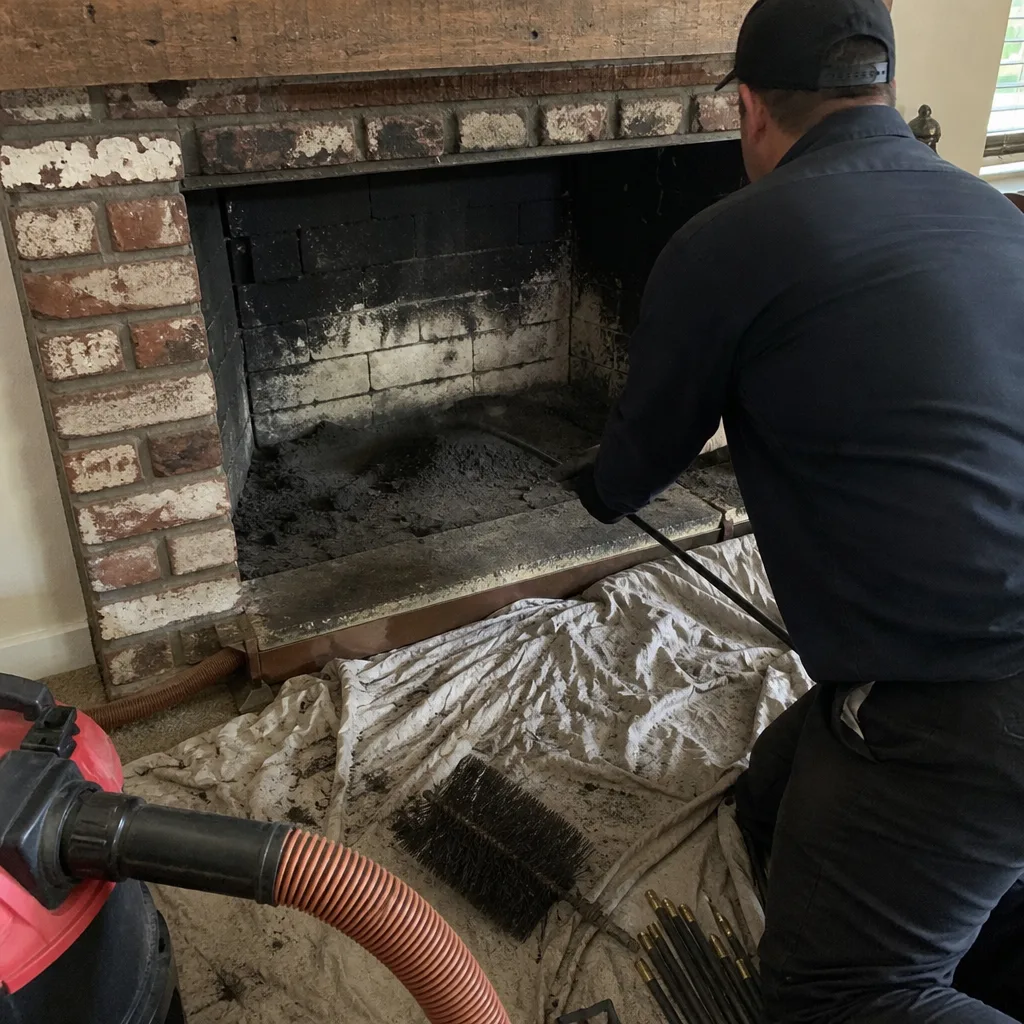 Before
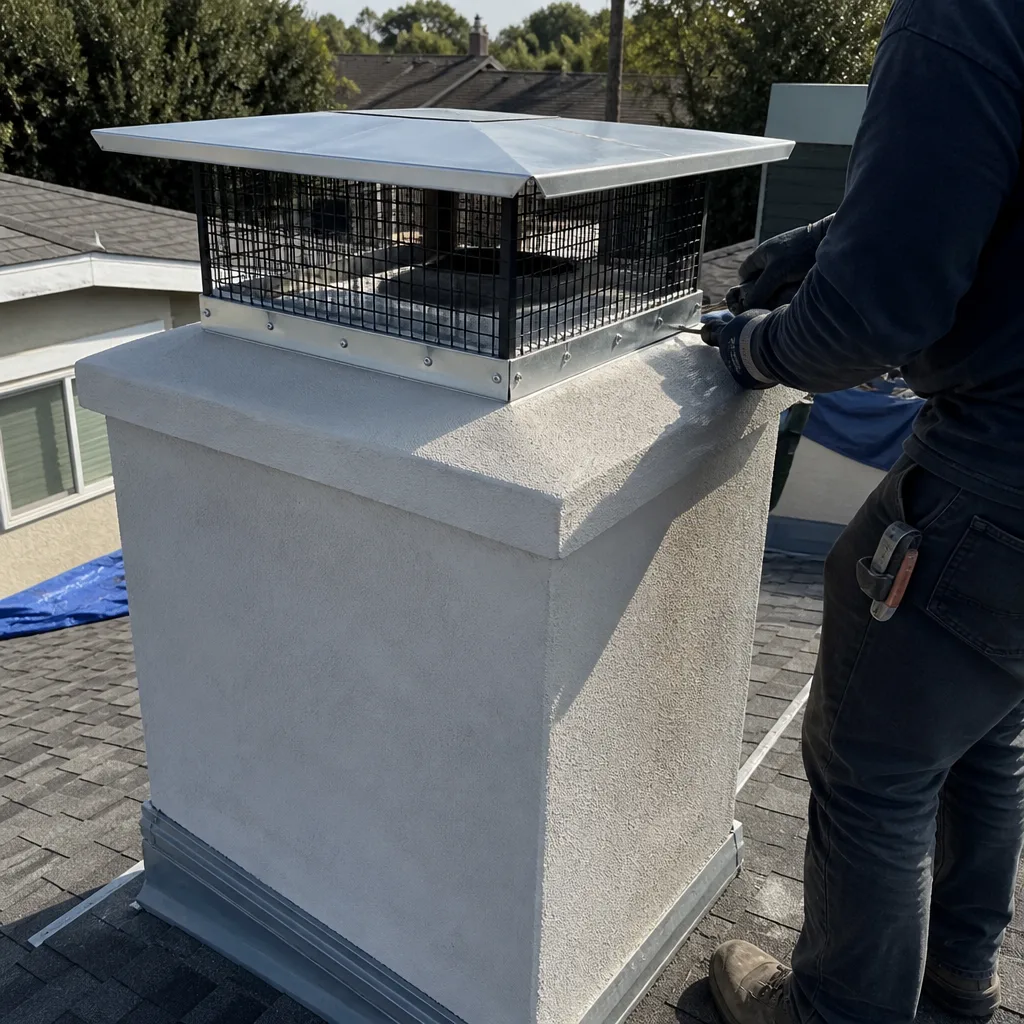 After
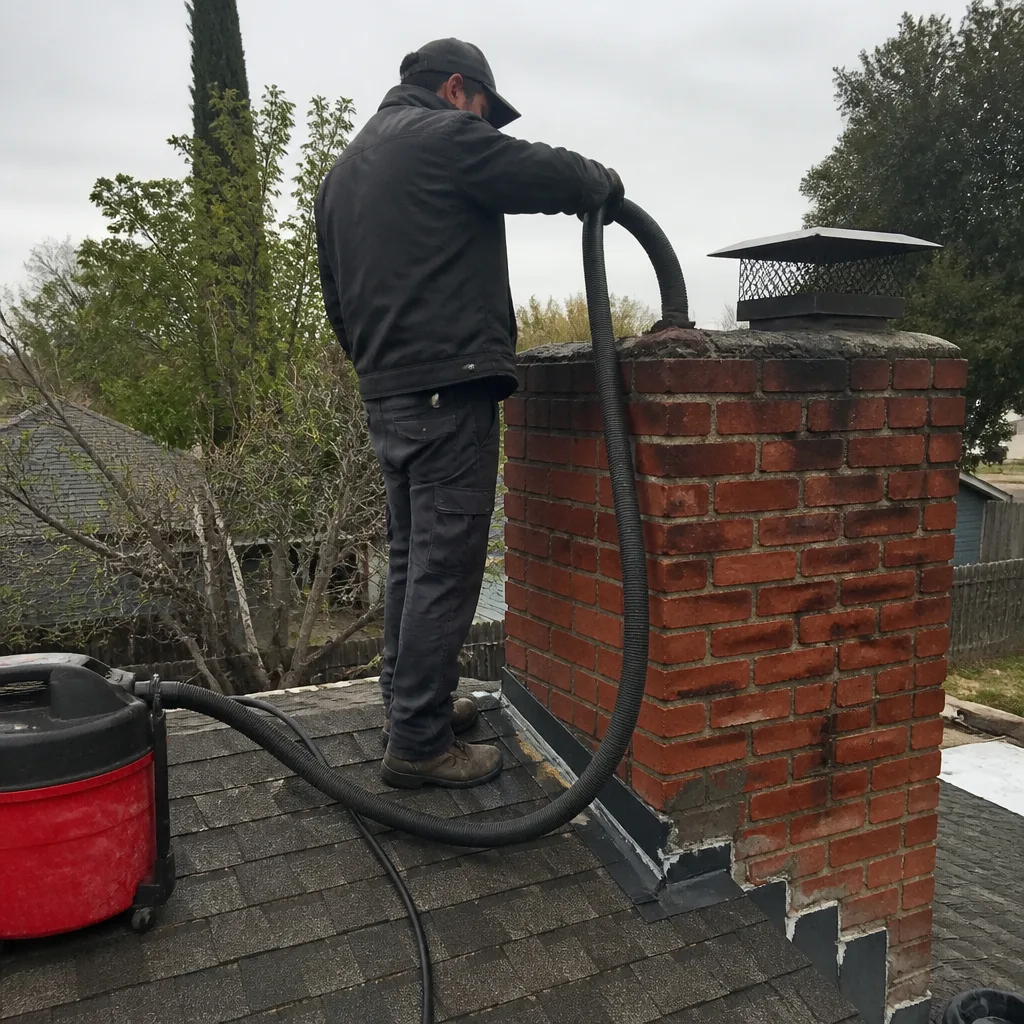 Before
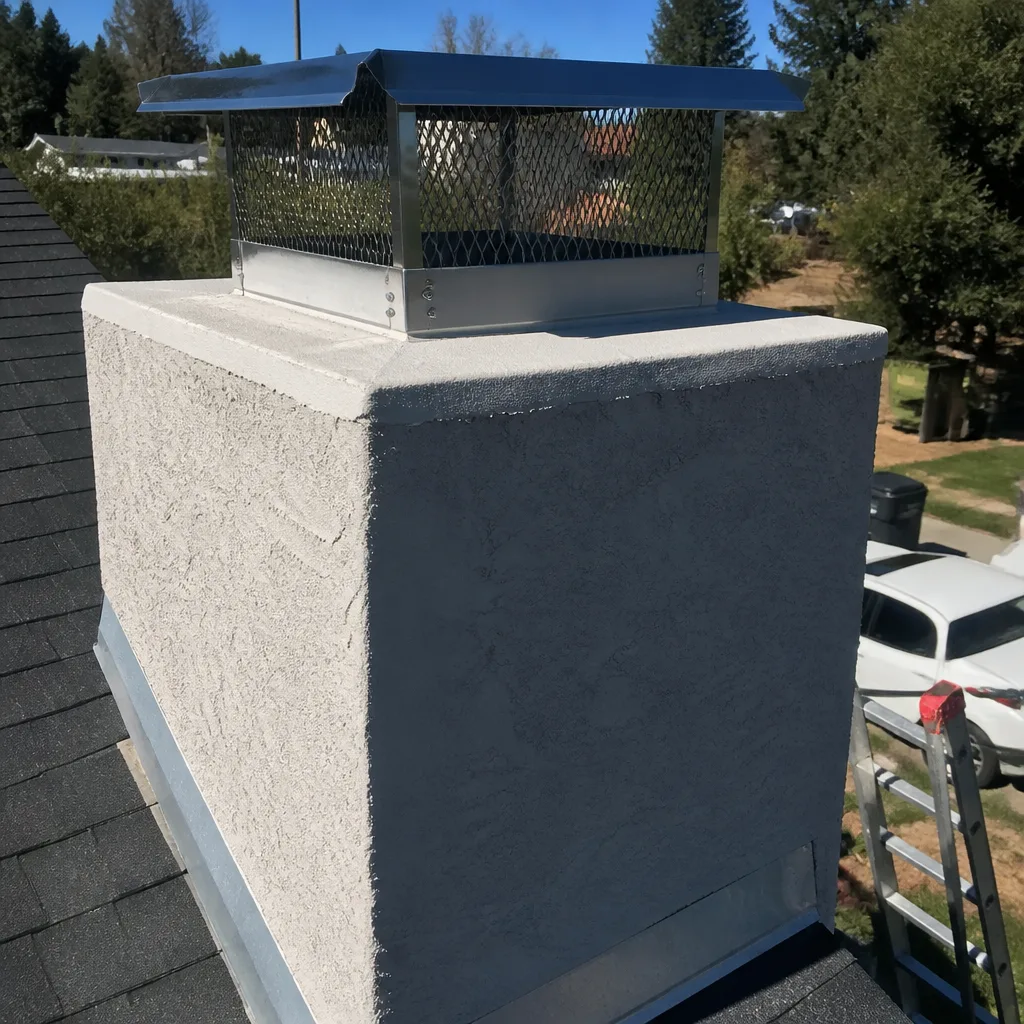 After
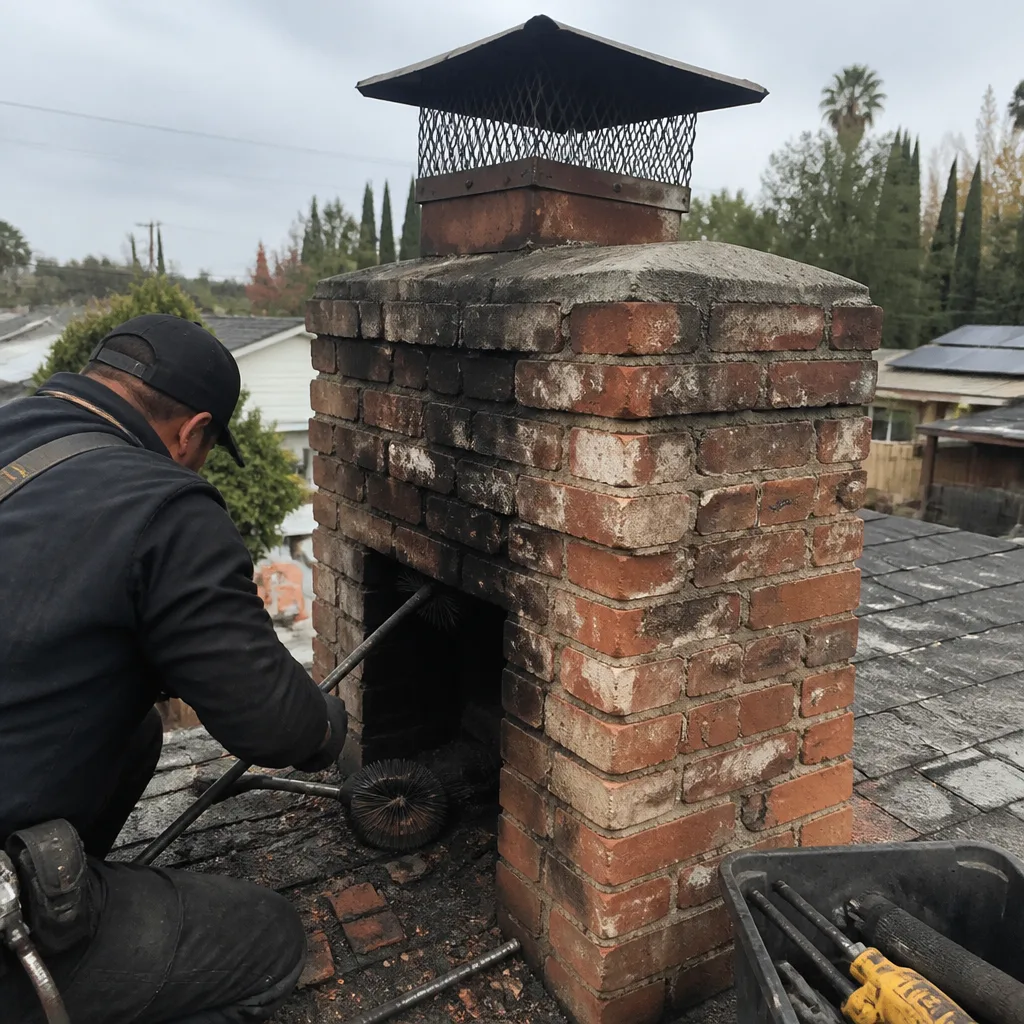 Before
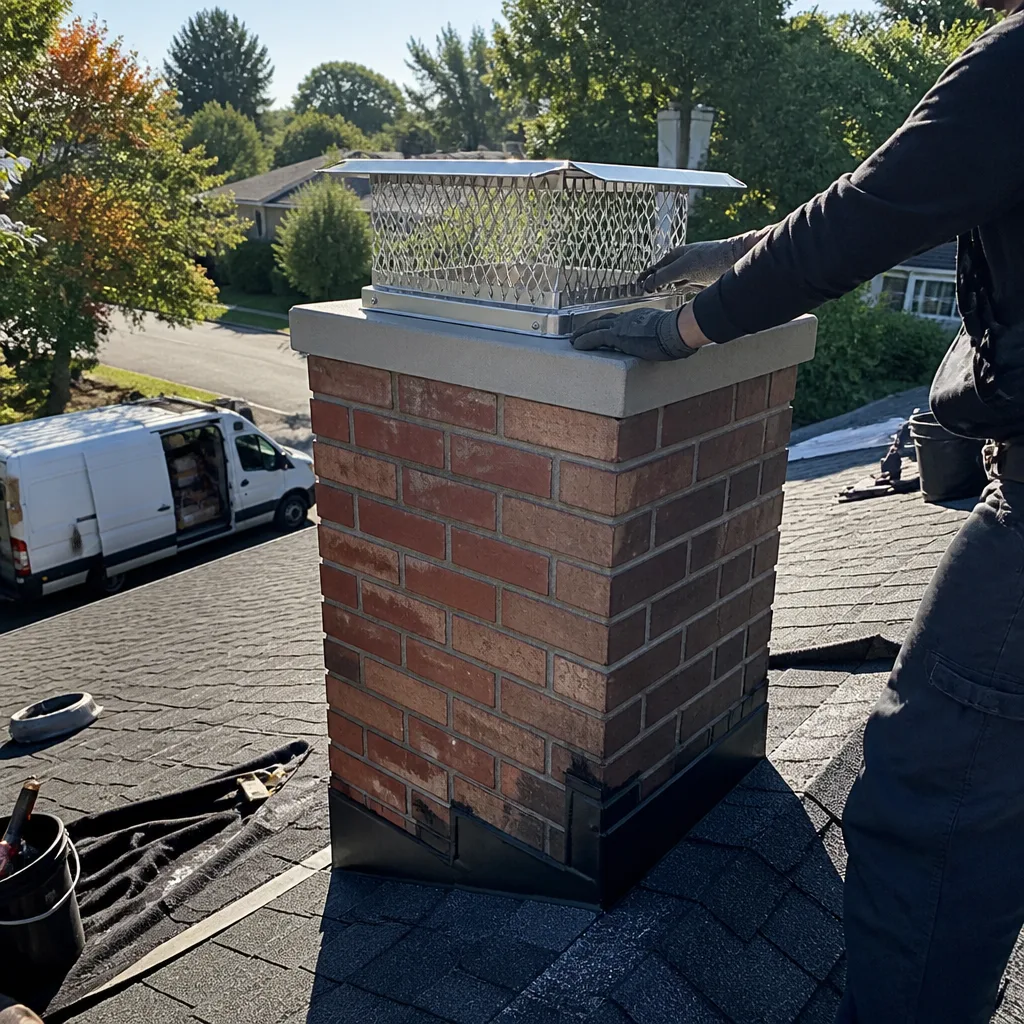 After