
Last updated November 2, 2026
 Sweep & inspection
 Caps & crowns
 Flue relining
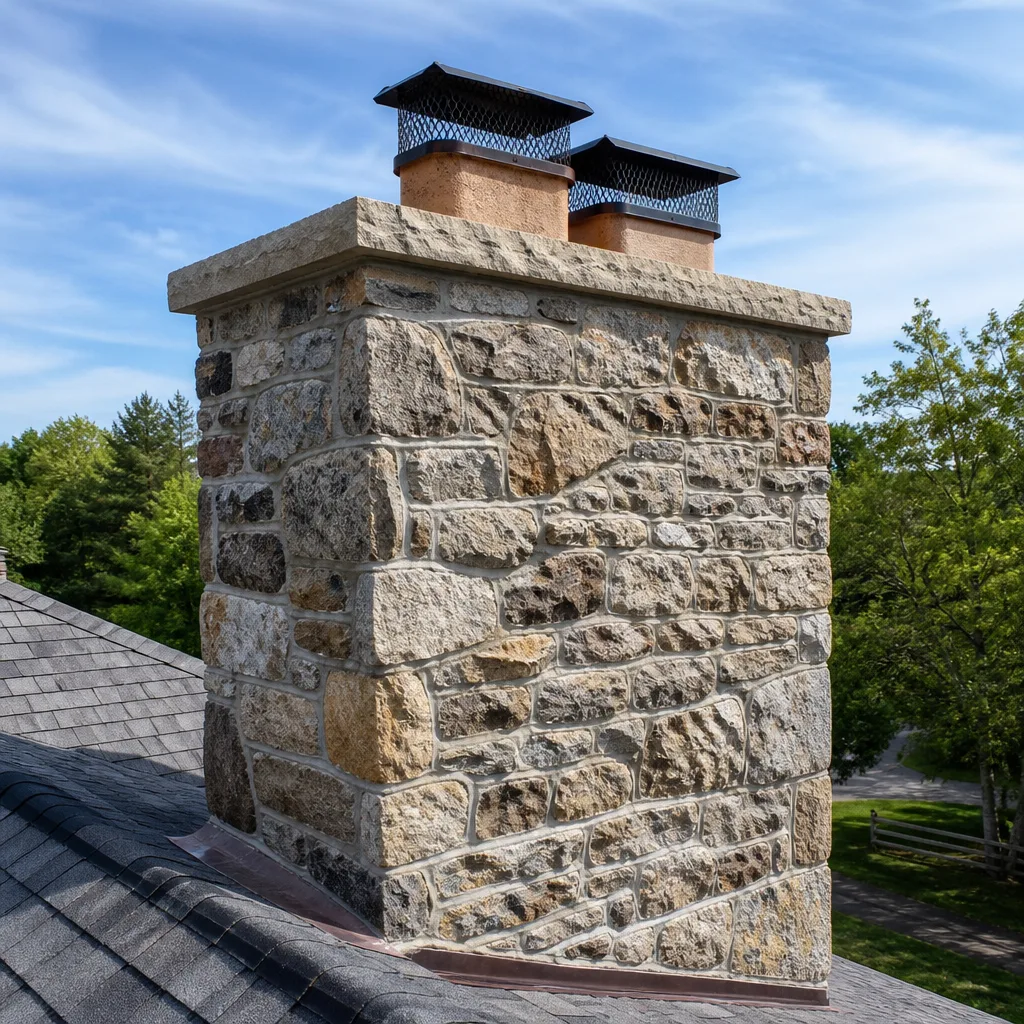 Masonry repair
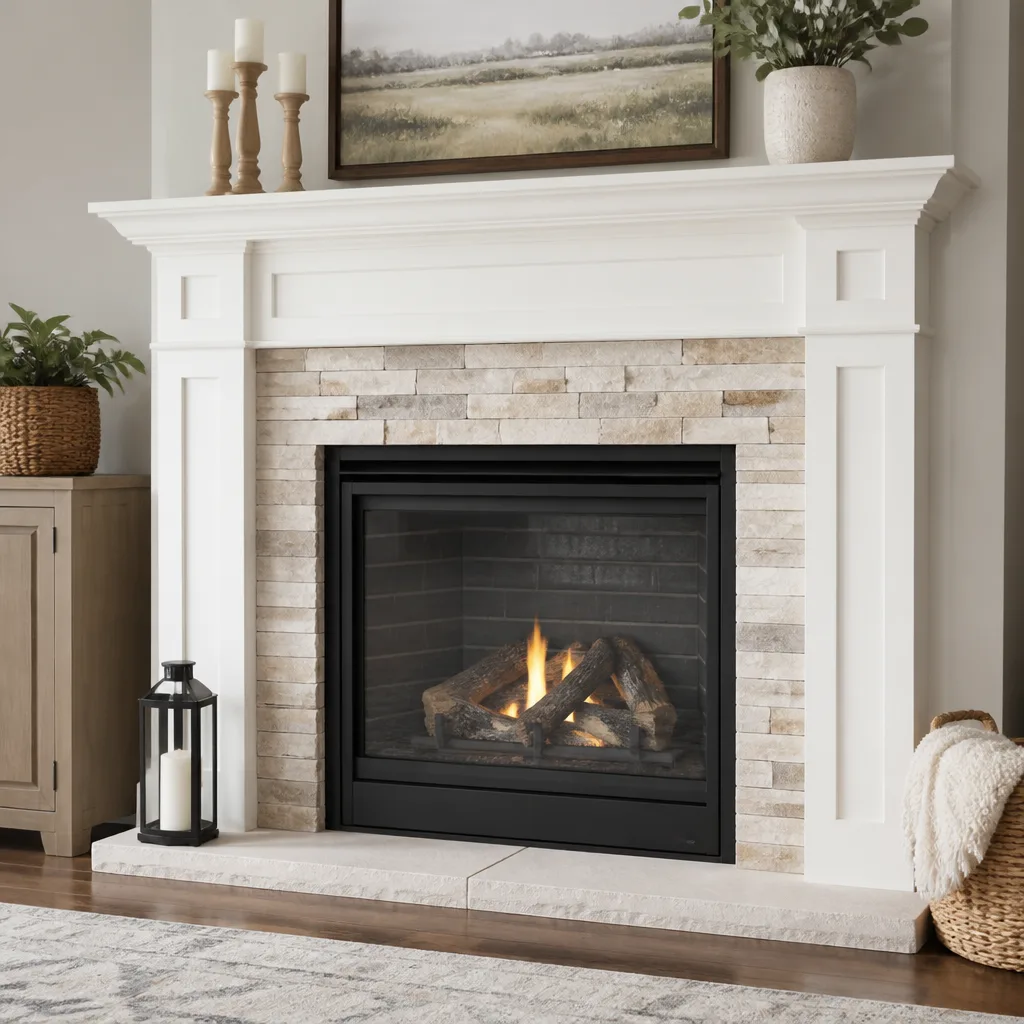 Gas fireplace service
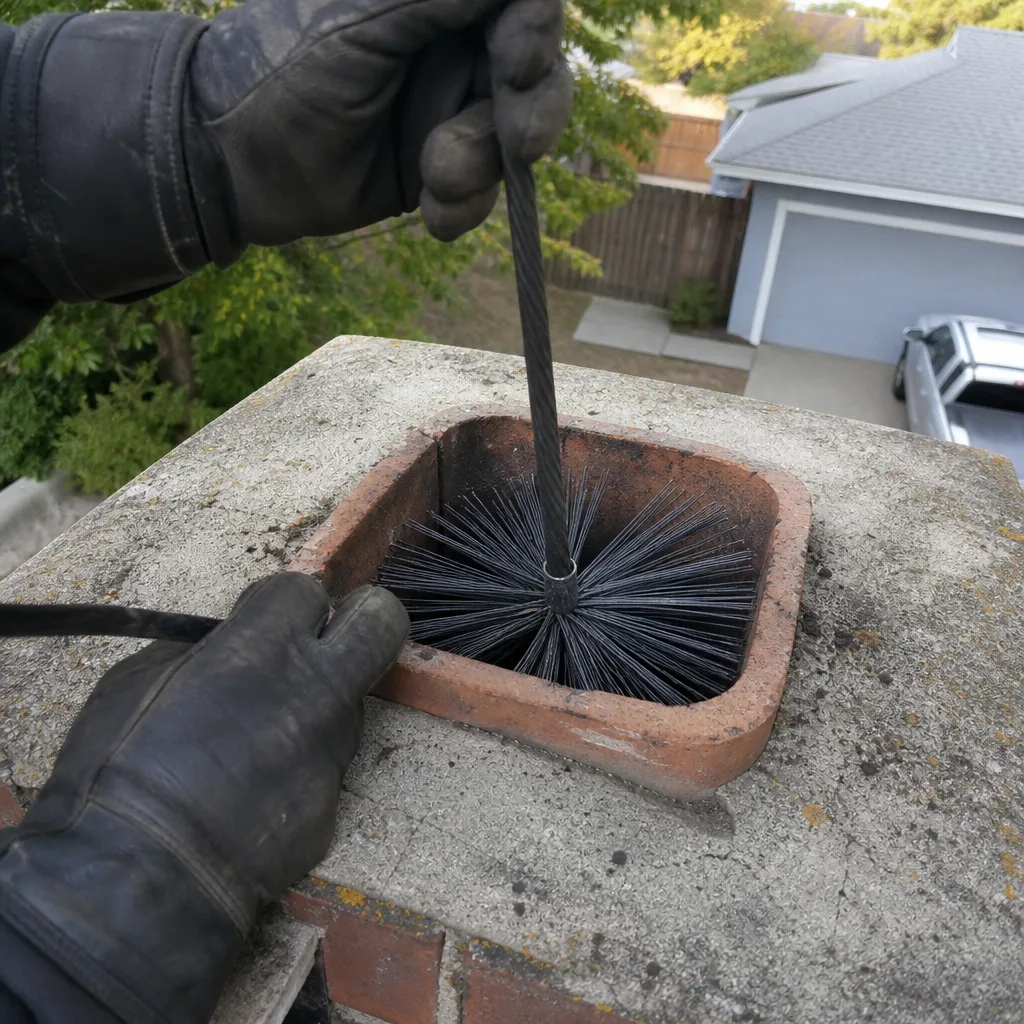
Level 1 sweep and inspection to the NFPA 211 annual standard - flue, crown, cap, and flashing checked and photographed
Chimney sweep logs do not sweep chimneys. They loosen some creosote - which then falls where a brush and vacuum still have to collect it.
How to Hire a Chimney Cleaning Contractor in Arden-Arcade: A Step-by-Step Guide
California does not require a state license to call yourself a chimney sweep. Any unlicensed individual with a brush and a business card can legally offer chimney cleaning in Sacramento County. In Arden-Arcade, where mid-century homes with original masonry fireplaces sit alongside newer construction with prefabricated units, that regulatory gap means homeowners carry the entire burden of vetting. This guide walks through the exact questions to ask, the documents to demand, and the red flags that filter out unqualified crews before they set foot on your roof.
Quick Answer
To hire a chimney cleaning contractor in Arden-Arcade, verify CSIA certification, confirm both general liability and workers’ compensation insurance in writing, get an itemized written estimate that specifies scope (sweep only vs. sweep plus inspection), and refuse any crew that pressures you into same-day repairs without camera evidence. A legitimate Arden-Arcade chimney sweep charges $180 to $350 for a standard cleaning and provides a written condition report afterward.
Styles & brands we work with
- Sweep & inspection
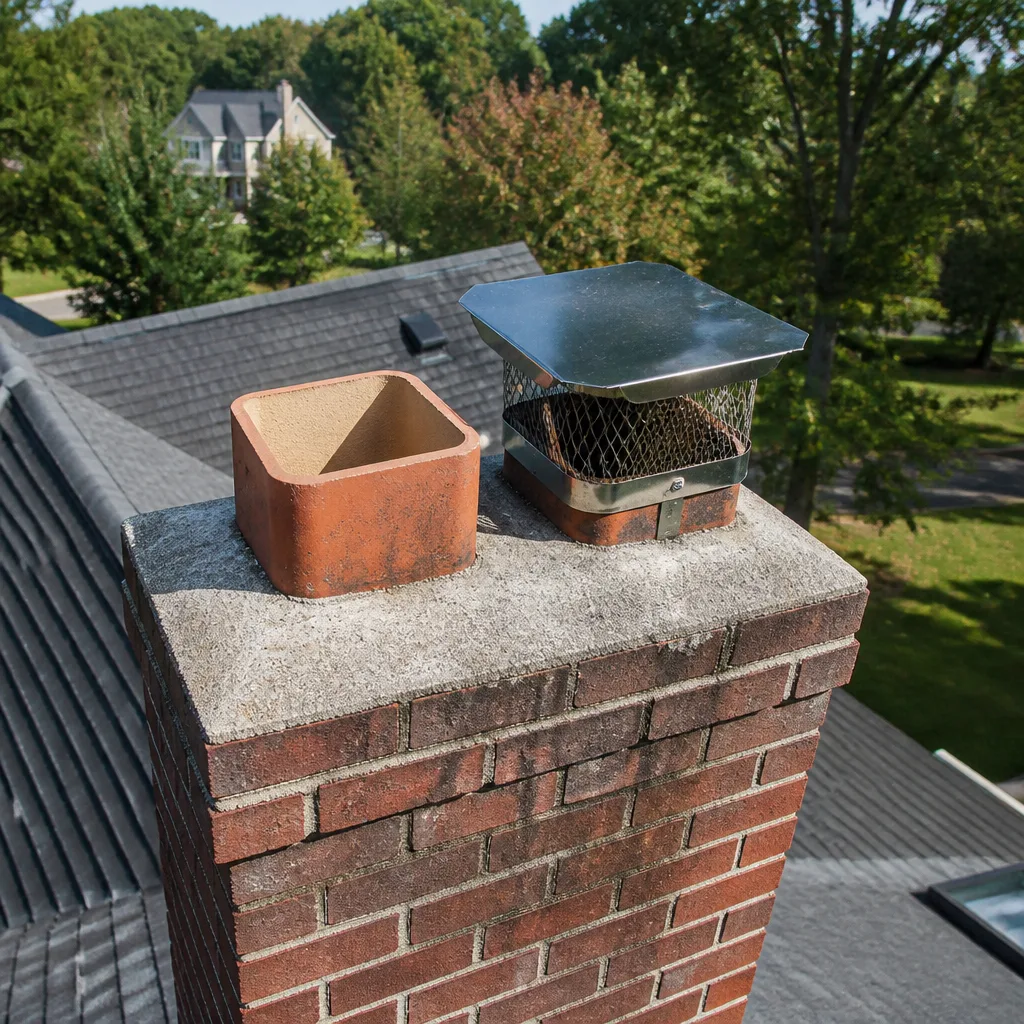
- Caps & crowns
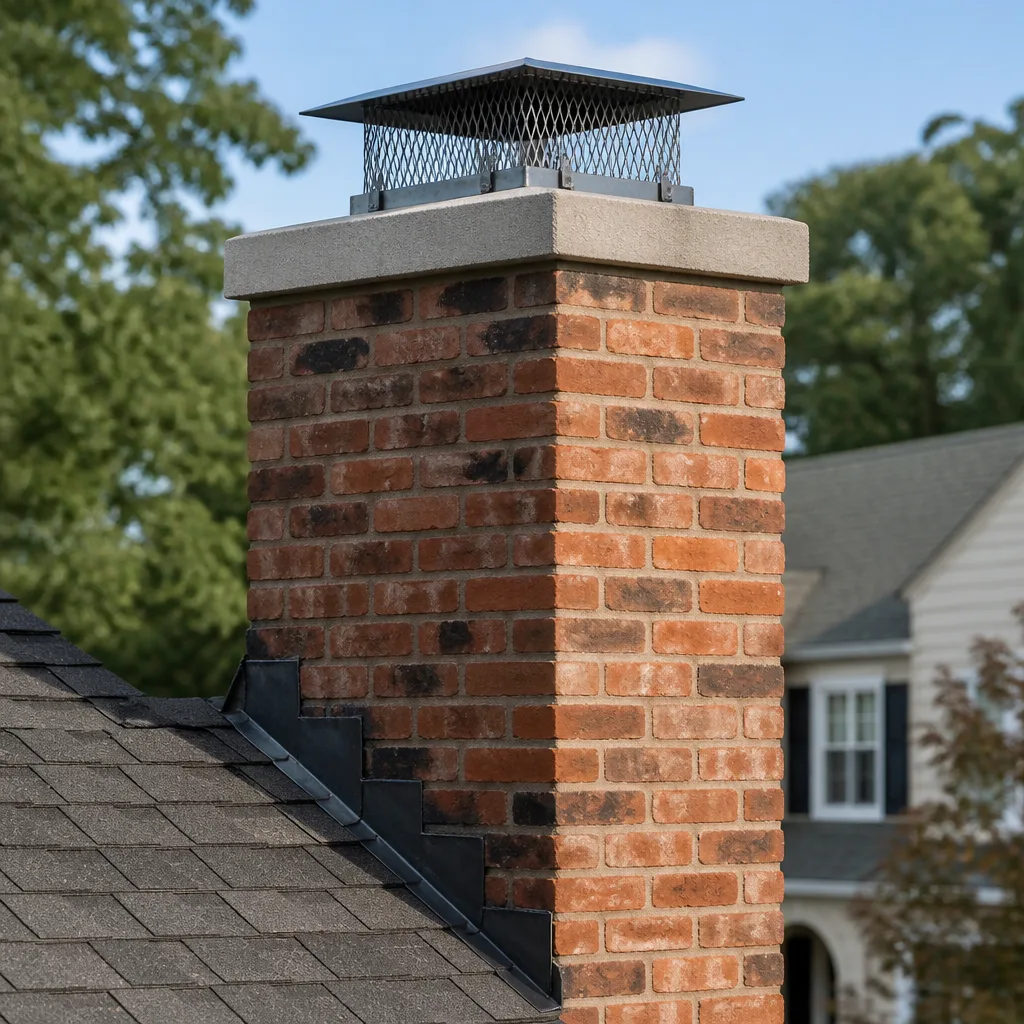
- Flue relining
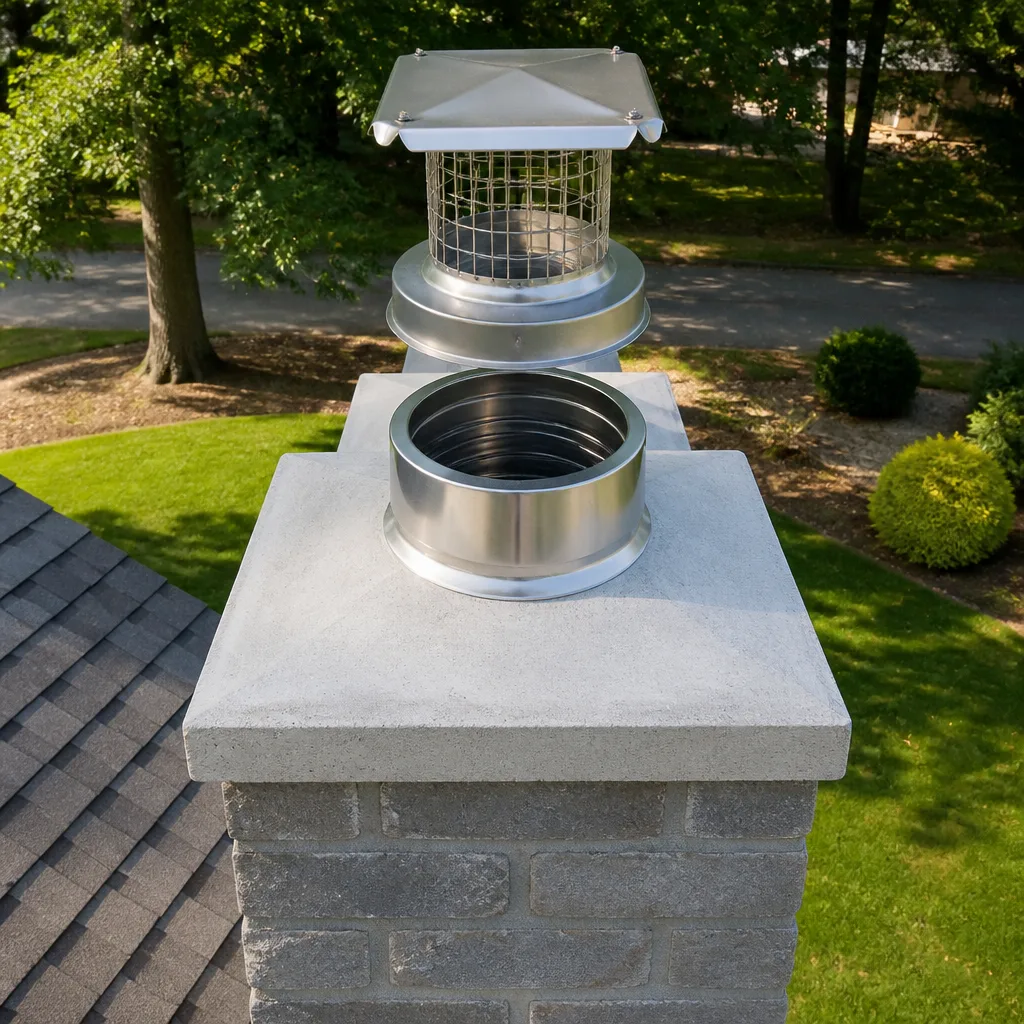
- Masonry repair
- Gas fireplace service
Table of Contents
- Why California’s Lack of Licensing Makes Vetting Critical
- Step 1: Verify CSIA Certification (and What It Actually Proves)
- Step 2: Confirm Insurance Coverage Before Anyone Gets on Your Roof
- Step 3: Know What a Legitimate Written Estimate Should Include
- Step 4: The Six Questions to Ask Every Arden-Arcade Chimney Contractor
- Step 5: How to Compare Bids When Scopes of Work Don’t Match
- Step 6: Red Flags That Signal a Low-Accountability Operation
- What to Expect After the Sweep: Reports, Photos, and Repair Findings
Why California’s Lack of Licensing Makes Vetting Critical
The chimney service industry in California operates without a universal state licensing requirement. Plumbers, electricians, and general contractors need CSLB credentials. Chimney sweeps don’t. What exists instead is a patchwork of voluntary certifications, trade association memberships, and manufacturer training programs that vary wildly in rigor. A crew in Arden-Arcade could be a certified professional one day and a completely untrained operator the next, and nothing in state law would distinguish them.
This regulatory vacuum creates a specific problem for homeowners in Arden-Arcade. The housing stock here spans six decades of construction methods. Older neighborhoods like Arden Manor and Arden Park have masonry fireplaces built in the 1950s and 1960s, many with original clay tile liners that are now cracking from decades of thermal cycling. Newer subdivisions in the eastern part of the CDP have prefabricated metal chimneys that require different tools, different inspection protocols, and different training. A sweep who only knows one system may miss problems in the other entirely.
Sacramento County’s wood-burning regulations add another layer. Winter Spare the Air days restrict burning, and homeowners who burn improperly seasoned wood produce creosote buildup faster than those who burn dry hardwoods. The local climate, wet winters followed by hot dry summers, accelerates masonry deterioration through freeze-thaw cycles in ways that other California regions don’t experience. All of this means an Arden-Arcade homeowner needs a contractor who understands local conditions, not just someone who can run a brush up a flue. What you’re hiring is judgment, and judgment is exactly what no license guarantees.
Step 1: Verify CSIA Certification (and What It Actually Proves)
The Chimney Safety Institute of America (CSIA) is the meaningful credential in an industry without state licensing. CSIA certification requires passing a written exam covering fire codes, combustion principles, chimney construction, and inspection procedures. Certified sweeps must recertify every three years through continuing education or re-examination. It’s not a rubber stamp. It’s the difference between someone who learned chimney anatomy from a textbook and someone who learned it from trial and error on other people’s rooftops.
Here’s what to do:
- Ask for the credential directly. “Are you CSIA certified? What’s your certification number?” A professional answers without hesitation. Someone who deflects or says certification “doesn’t matter” has told you everything you need to know.
- Verify the number online. The CSIA maintains a searchable directory on its website. Enter the number or the company name. If the sweep doesn’t appear, they aren’t certified.
- Check the scope of certification. CSIA offers multiple designations: Certified Chimney Sweep, Certified Chimney Inspector, Certified Dryer Exhaust Technician. A sweep who only holds the basic sweep certification is qualified to clean. Someone performing a Level 2 inspection or relining work should hold additional credentials or manufacturer training.
We’ve worked with homeowners in Arden-Arcade who had previously hired uncertified crews and then called us when the work didn’t hold up. The pattern is consistent: missed creosote deposits in smoke chambers, misdiagnosed drafting problems, and “repairs” that consisted of smearing refractory cement over structural cracks. Certification doesn’t guarantee perfection, but it filters out the operators who never learned the fundamentals in the first place. It’s the baseline for anyone who is serious about chimney work as a craft rather than a side hustle.
What Certification Does Not Cover
Be clear-eyed here. CSIA certification proves technical knowledge. It does not prove business integrity, insurance coverage, or craftsmanship. A certified sweep can still cut corners. A certified company can still send an uncertified employee to your house. When you hire, ask who specifically will perform the work. If the company advertises CSIA certification but sends a trainee, ask about that trainee’s supervision. The certification belongs to individuals, not companies. A company that routes every job through certified personnel is a different operation from one that uses certification as a marketing badge while fielding untrained labor.
Step 2: Confirm Insurance Coverage Before Anyone Gets on Your Roof
Roof work carries real risk. A chimney sweep in Arden-Arcade is climbing a ladder, walking on whatever roofing material you have (composition shingle, tile, or metal), and working at height. If they fall, you don’t want their medical bills becoming your problem. If they drop a tool through your skylight, you don’t want to argue about who pays. Insurance verification is not a courtesy step. It’s the step that protects you from financial exposure that can run into six figures.
Two coverage types matter, and both need confirmation in writing:
- General liability insurance. Covers property damage the contractor causes to your home. A brush that scratches your roof flashing, a chimney cap dropped through a gutter, a foot through a ceiling joist. The minimum you should see is $1 million in coverage, and the certificate of insurance should name the policy holder, the insurer, and the policy dates. Ask for the certificate directly, not just a verbal “yeah, we’re insured.”
- Workers’ compensation insurance. Covers injuries to workers on your property. If a sweep falls off your roof and the company lacks workers’ comp, you could be named in a liability claim. In California, workers’ comp is legally required for employers with even one employee. A company that says they don’t need it because their workers are “independent contractors” is a company to avoid.
Call the insurance provider to verify the policy is active if the job is substantial or if anything about the certificate looks off. Certificates are easy to generate and expire. The two-minute phone call confirms what the document claims. In our experience, legitimate operations expect this check and don’t flinch at it. The operations that balk are the ones you don’t want on your roof.
Step 3: Know What a Legitimate Written Estimate Should Include
A written estimate tells you two things: what you’re actually paying for, and whether the contractor thinks in specifics or generalities. Specificity is the tell. A legitimate chimney sweep in Arden-Arcade will itemize the scope of work, name the chimney system being serviced, and state what’s included versus what costs extra. A vague estimate (“chimney cleaning: $250”) without details is a placeholder, not a plan.
Here’s what a real written estimate includes:
- The exact service. “Sweep of one masonry fireplace with clay tile liner, including smoke chamber cleaning, damper inspection, and Level 1 visual inspection.” Not “chimney cleaning.”
- The condition being addressed. “Remove creosote deposits from flue and smoke chamber.” This tells you the crew inspected first and knows what they’re dealing with.
- What’s included in the base price. Drop cloths, hearth protection, disposal of debris, and a written condition report are standard. If any of these are line-item add-ons, ask why.
- What’s excluded and triggers additional cost. Chimney cap replacement, damper repair, masonry work, and liner replacement should be listed as “if found necessary, quoted separately.” This protects both parties from scope creep.
- Timeframe. How long the appointment will take, usually 45 to 90 minutes for a standard sweep, longer if an inspection is included.
Watch for what’s missing as closely as what’s present. An estimate that doesn’t mention a visual inspection is an estimate for a brushing job, not a chimney service. An estimate that doesn’t specify your home’s chimney type (masonry vs. prefabricated) tells you the contractor hasn’t asked the right questions. And an estimate that requires payment in full before the work begins is a warning sign. Reputable Arden-Arcade companies collect payment upon completion, not in advance.
Step 4: The Six Questions to Ask Every Arden-Arcade Chimney Contractor
These six questions separate the professionals from the operators. Ask them before you schedule anyone.
- “Are you CSIA certified, and will the certified sweep be the one on my roof?” The answer should be yes to both. If the certified owner sells the job but sends an uncertified employee, that’s a bait-and-switch on competence.
- “Can you provide certificates of insurance for general liability and workers’ comp?” The answer should be “yes, I’ll send them over.” Any hesitation, any “we’ll bring them to the appointment,” any claim that workers’ comp doesn’t apply, ends the conversation.
- “What does your sweep include beyond running a brush?” The answer should include: visual inspection of the flue, smoke chamber, damper, firebox, and exterior masonry or chimney cap. If the answer is just “we clean the chimney,” you’re talking to a brushing service, not a chimney technician.
- “Do you use camera inspection, and will I see the footage?” A camera inspection is the difference between a sweep that removes creosote and a sweep that diagnoses problems. If the contractor doesn’t offer camera work or won’t show you the results, you’re flying blind about the condition of your flue. We show homeowners exactly what we find and walk through the images with them.
- “What brands of repair materials and liner systems do you use?” A professional answers with manufacturer names. DuraFlex for liner systems, HeatShield for flue resurfacing, Olympia Chimney for caps and chase covers. A vague answer (“we use quality materials”) means hardware-store substitutes. Professional-grade materials, not big-box equivalents, are what keep a repair code-compliant and lasting decades instead of years.
- “If you find damage during the sweep, what’s your process?” The right answer involves documentation: photos or video of the problem, a written explanation of what’s needed and why, a separate quote for the repair, and no pressure to approve immediately. The wrong answer is “we can fix it right now, it’ll be cheaper if we do it today.” That’s a sales funnel, not a diagnosis.
These questions work because they test for the underlying issues: training, insurance, transparency, tooling, material standards, and repair ethics. A contractor who handles all six with clear, specific answers is someone who has thought about their craft. That’s who you want inspecting a system that vents fire and carbon monoxide out of your home.
Step 5: How to Compare Bids When Scopes of Work Don’t Match
Here’s the scenario: Contractor A quotes $220 for a “chimney cleaning and inspection.” Contractor B quotes $320 for “sweep of masonry fireplace with clay liner, smoke chamber cleaning, damper check, Level 1 inspection, written condition report, and camera inspection of flue.” Contractor A looks cheaper. Contractor A is not cheaper. You’re comparing a brushing job to a chimney service, and those are different things.
To compare bids accurately, create a scope checklist and run every quote against it:
- Brush sweep of flue – should be included in every bid
- Smoke chamber cleaning – often skipped by cheap crews; this is where creosote accumulates most dangerously
- Damper operation check – verifies the thing you use every time you build a fire
- Firebox inspection – checks for cracked brick, deteriorated mortar, damaged refractory panels
- Exterior inspection – chimney crown, cap, flashing, masonry condition from the roof
- Level 1 inspection – the CSIA-defined visual inspection standard
- Camera inspection – optional but valuable; reveals hidden cracks and gaps
- Written report with photos – the documentation you need for insurance or future repairs
When you line bids up against this checklist, the comparison becomes apples-to-apples. Contractor A is charging $220 for only the first item. Contractor B is charging $320 for all eight. Contractor B is actually the better value, not the worse one. The mistake homeowners in Arden-Arcade make is comparing price without comparing scope. A cheap sweep that leaves creosote in the smoke chamber is not a bargain; it’s a fire hazard you paid to ignore.
If one contractor proposes work another didn’t mention, ask directly: “Contractor X didn’t include this. Why is it needed?” A trustworthy contractor explains the technical reason without disparaging the competition. A sales-driven one uses fear: “if you don’t do this, your house could burn down.” That’s the moment to slow down and ask for evidence. Camera footage shows a cracked liner. Thermal damage shows a chimney fire happened. If the contractor can’t show you the problem, there may not be one.
Step 6: Red Flags That Signal a Low-Accountability Operation
Most bad chimney experiences in Arden-Arcade share the same warning signs. Learn them before you hire, and you’ll avoid learning them after.
- Vague inspection reports. “Everything looks good” is not a report. A written condition report names the specific components inspected and their condition. If you get a verbal thumbs-up and a receipt, you’ve paid for a brush job, not an inspection.
- Pressure to approve same-day repairs without camera evidence. This is the big one. “Your liner is cracked, we need to replace it, we can do it today for $4,000.” Without footage you can see and understand, you have no way to verify the claim. Legitimate companies show you the problem and give you time to think. Sales operations push for immediate approval because the urgency evaporates when you get a second opinion. That’s not an inspection; it’s a pressure tactic.
- Unmarked vans without business documentation. A professional operation runs marked vehicles, carries business cards, has a physical address, and can produce documentation on request. A rented truck with magnetic signs and a phone number scrawled on the estimate is a transient operation. If there’s a problem later, there’s no one to call.
- Chimney sweeping plus roofing plus gutter cleaning plus window washing. Jack-of-all-trades operators exist in every trade, but chimney work is life-safety work. A company that sweeps chimneys on Tuesday and washes windows on Wednesday hasn’t invested in chimney-specific training, tools, or certification. Hire specialists for the fire-risk systems in your home.
- Cash-only pricing with no written contract. No paper trail means no accountability. A legitimate Arden-Arcade chimney company provides a written estimate, a written invoice, and payment records. Cash under the table tells you the operator doesn’t want documentation of the transaction.
- Extremely low bids. A $99 chimney sweep is buying the job to upsell you on repairs. The economics don’t work otherwise. A legitimate sweep takes 45 to 90 minutes, requires $30,000 to $60,000 in equipment, carries insurance, and pays trained staff. When the price is below the cost of doing business, the business model is the upsell.
We’ve repaired work performed by crews that exhibited every one of these red flags. The pattern is consistent: improper cleaning that missed dangerous creosote accumulation, “repairs” that consisted of cosmetic patches over structural failures, and homeowners who paid twice because they paid once to someone who shouldn’t have been on the roof. The red flags are there before the work starts. The trick is paying attention.
What to Expect After the Sweep: Reports, Photos, and Repair Findings
A professional chimney cleaning in Arden-Arcade ends with documentation, not just a cleaner flue. Here’s what a thorough service includes and what it tells you.
The written condition report documents the state of each component: flue liner, smoke chamber, damper, firebox, chimney cap, crown, flashing, and exterior masonry. It notes what was cleaned, what was found, and what needs monitoring. You should keep these reports. They create a paper trail that proves maintenance history if you ever sell the home or file an insurance claim.
Photo or video documentation matters for the same reason. Camera footage of a clean flue today is your baseline for comparison next year. If the next contractor says “you have a crack in your liner,” you can look back at last year’s footage and see whether the crack existed then. This is the transparency that separates real diagnostics from sales scripts.
When repairs are recommended, a legitimate company provides: the specific problem with visual evidence, the repair options available, a written quote with material specifications, and the time you need to make a decision. If the problem involves a liner, the quote should name the liner system. DuraFlex is what we use for relining because it’s the system certified chimney professionals across the country trust for stainless steel relining. HeatShield is the product we use for flue resurfacing when full relining isn’t necessary. These are specific, verifiable material choices, and a contractor who names them is a contractor who has thought through the repair they’re proposing. The alternative is “we’ll fix it,” and that’s not a quote, it’s a hope.
In Arden-Arcade, where many homes still have original mid-century clay tile liners, liner deterioration is the most common repair recommendation we make. Clay tiles crack from decades of thermal stress, and cracked tiles allow heat and gases to reach combustible materials. The fix is relining or resurfacing, depending on the extent. This is specialized work. A company that offers HeatShield can resurface a flue in place, which is less invasive than full relining. A company that offers DuraFlex can handle complete relining when the original liner has failed structurally. Both capabilities matter, and both are beyond the scope of a basic sweeping operation.
For a deeper look at what sweeping involves, see our guide on Chimney Sweep in Arden-Arcade. If an issue found during your sweep requires structural work, read about Chimney Repair in Arden-Arcade to understand your options.
Common Mistakes to Avoid
- Hiring based on price alone. The cheapest bid in Arden-Arcade is usually a brushing service without inspection, camera work, or documentation. You’re not saving $100; you’re paying for half a service.
- Skipping insurance verification. A fall from your roof or a dropped tool through your skylight becomes your financial liability when the contractor lacks proper coverage. Ask for certificates before anyone starts.
- Accepting a verbal “everything’s fine” instead of a written report. Without documentation, you have no record of what was inspected and no baseline for future comparison. If a problem surfaces later, there’s no proof of what should have been caught.
- Approving repairs without seeing camera footage. Reputable chimney companies show you the problem. If a contractor wants you to approve a liner replacement based on verbal description alone, get a second opinion.
- Ignoring the dryer vent while addressing the chimney. Dryer vents cause thousands of house fires annually, and the two systems are frequently both neglected. A company that handles both can address Dryer Vent Cleaning in Arden-Arcade the same day as a chimney sweep.
- Waiting until burning season to schedule. Arden-Arcade sweeps get booked solid in October and November. Scheduling in late summer or early fall gets you better availability and a clean chimney before the first fire.
- Assuming gas fireplaces don’t need service. Gas inserts and gas logs need annual inspection too. Venting problems, burner issues, and carbon monoxide risks exist with gas appliances. A sweep includes gas fireplace inspection in most service scopes.
See the difference
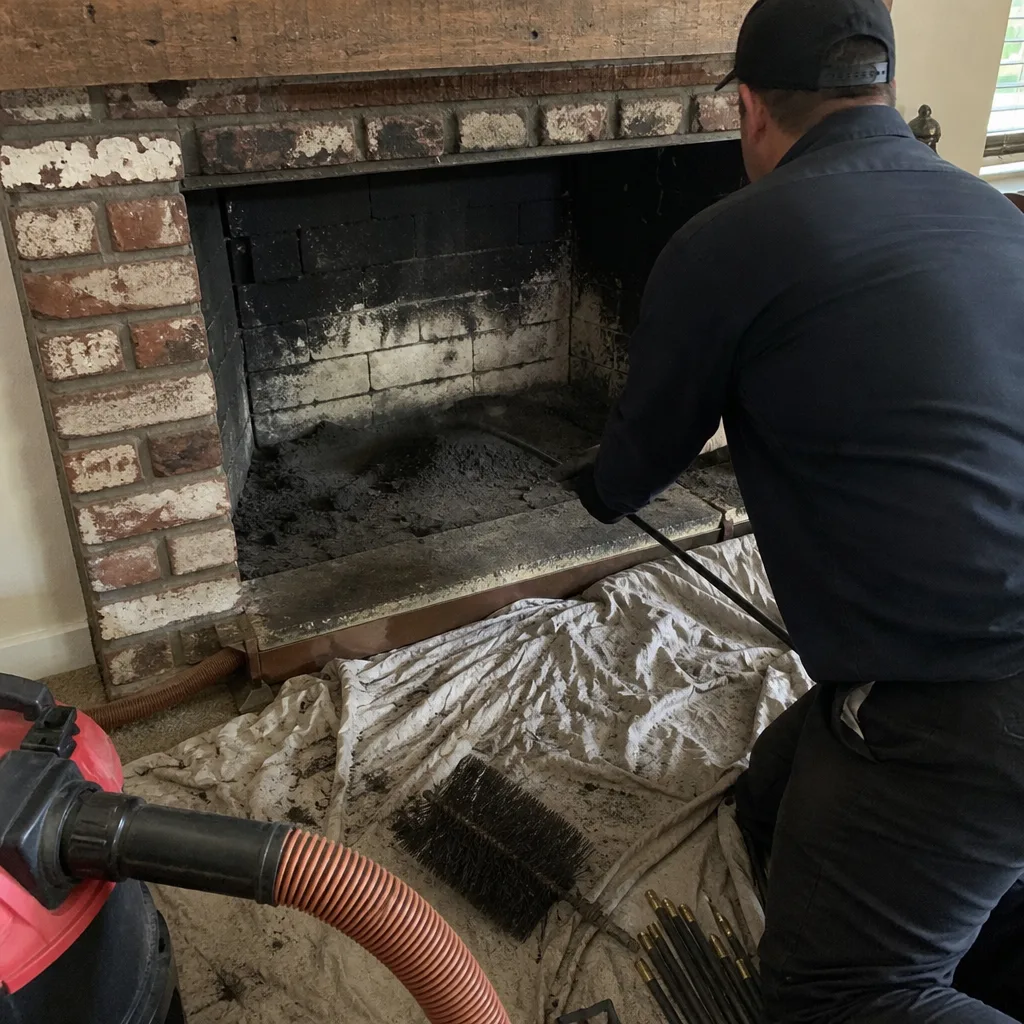 Before
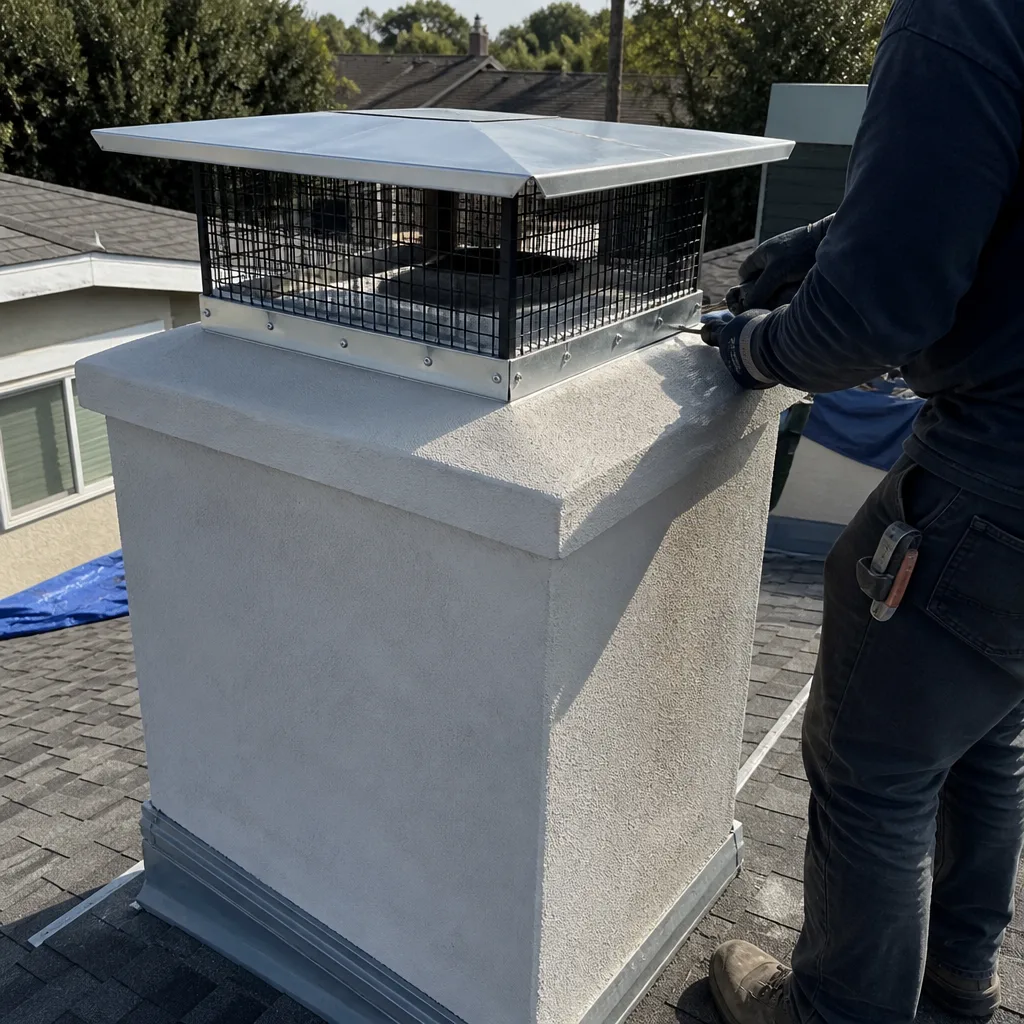 After
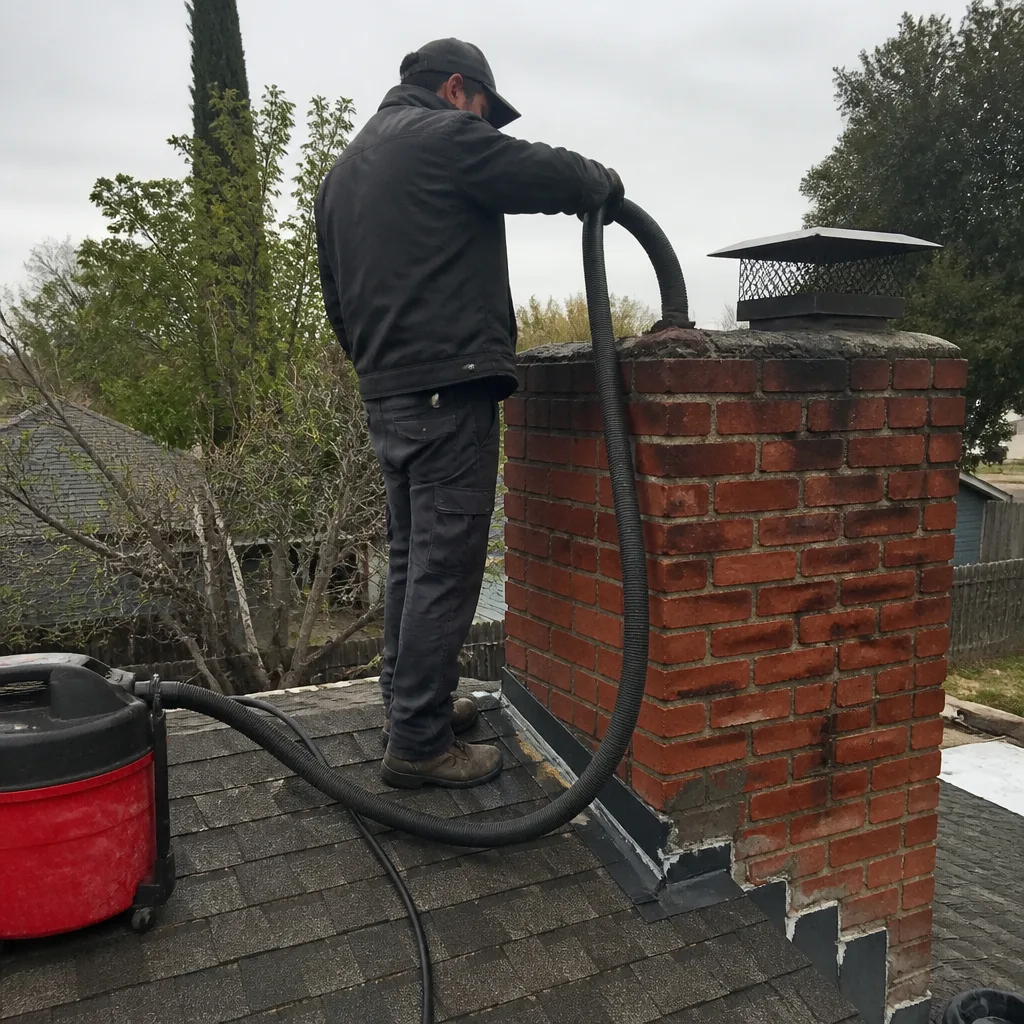 Before
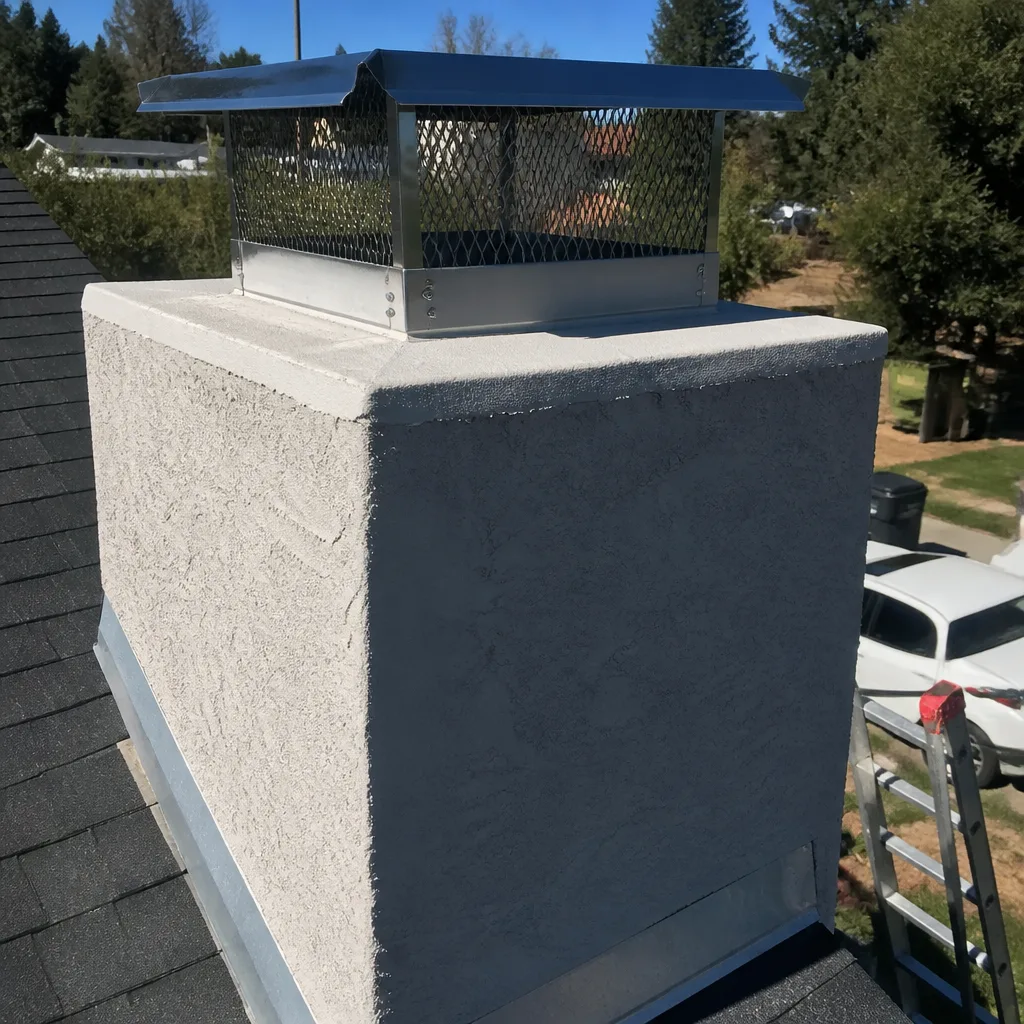 After
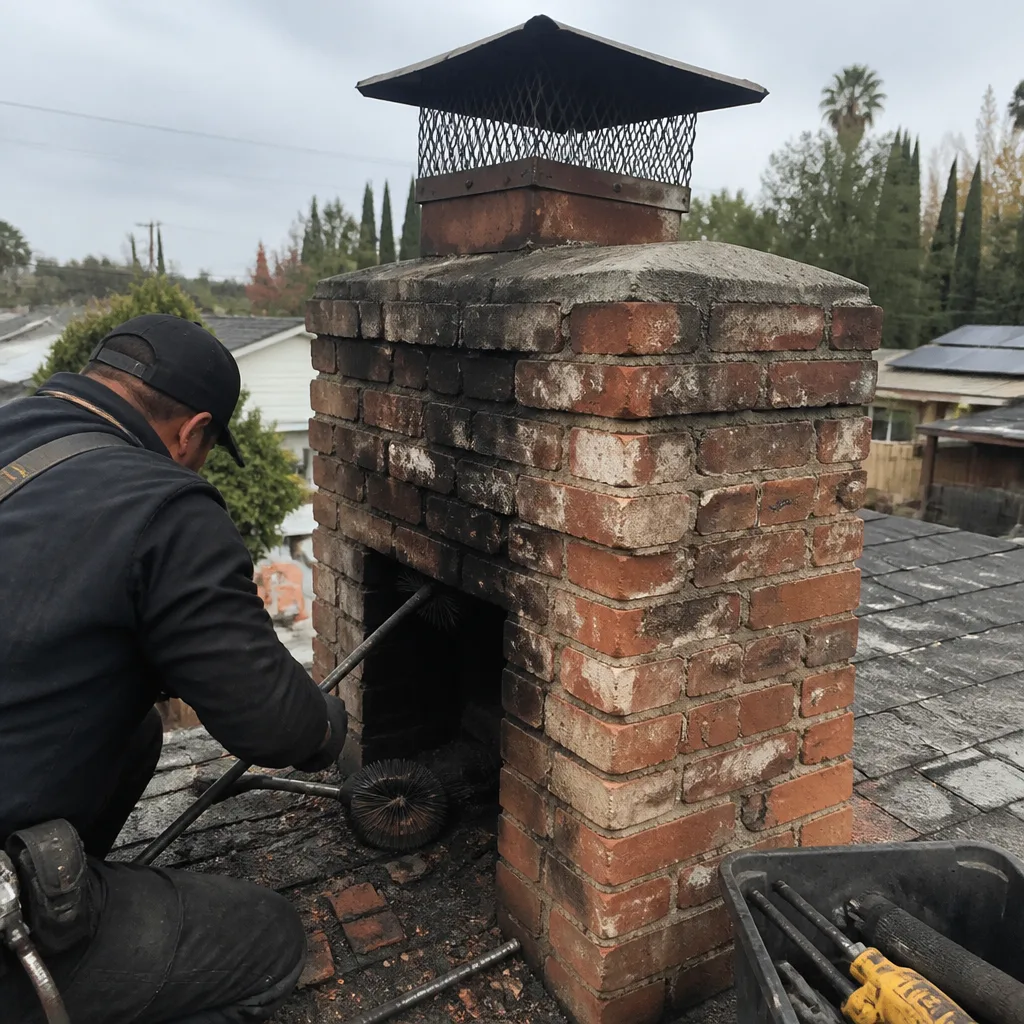 Before
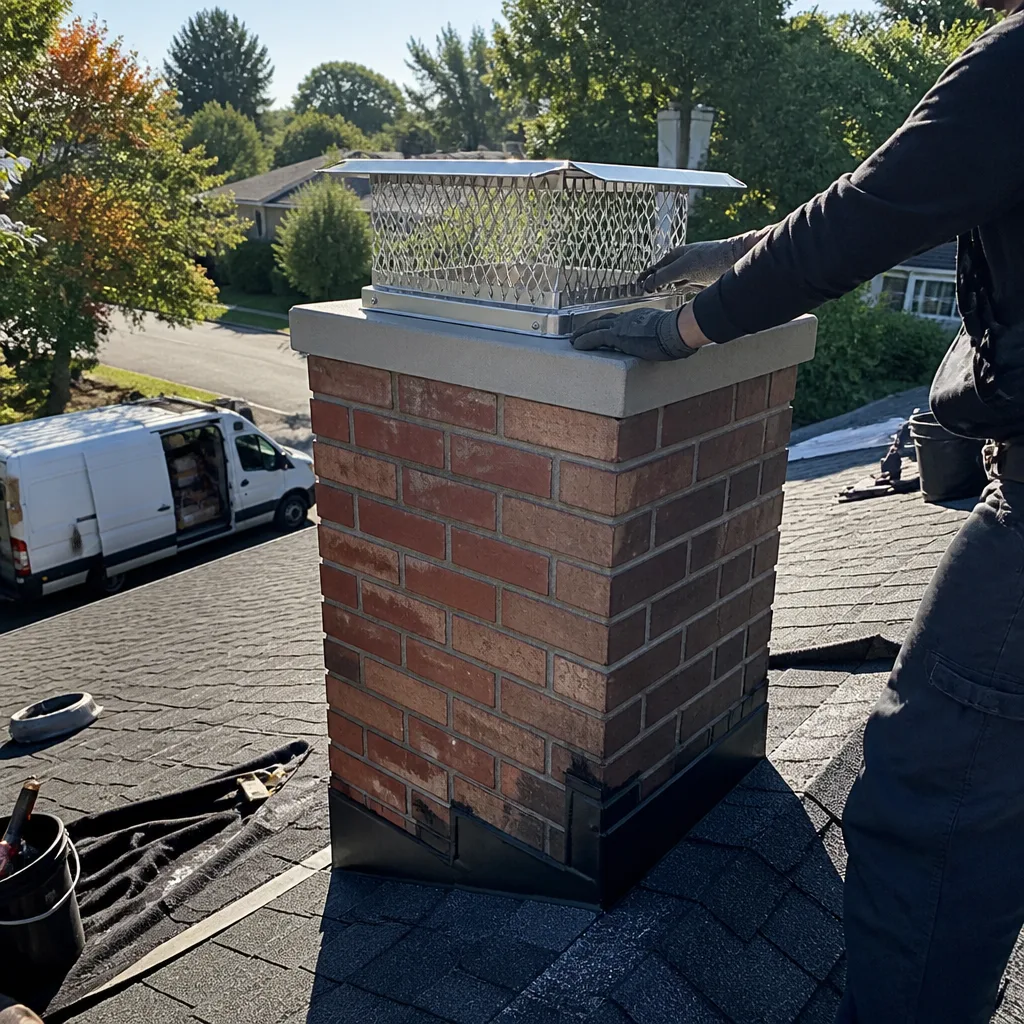 After
When to Call a Professional
Annual chimney sweeping is the baseline recommendation for wood-burning fireplaces, regardless of how often you burn. Creosote accumulates during every fire, and Sacramento County’s winter air restrictions mean many Arden-Arcade homeowners burn denser, harder woods that produce more creosote than the soft alternatives. If you’re noticing smoke backing into the room, a burning smell when the fireplace is cold, visible creosote buildup on the damper, or your dryer is taking two cycles and the exterior vent flap barely opens, those are signs that service is overdue. If you’ve bought a home and don’t know when the chimney was last swept, that’s a reason to schedule before burning. Chimney Sweep Arden-Arcade home offers free estimates in Arden-Arcade. Call (833) 589-9906 and we’ll walk through what your system needs, what it doesn’t, and what the work will cost before anything begins.
Frequently Asked Questions
Chimney sweeping in Arden-Arcade typically costs between $180 and $350 for a standard masonry fireplace, depending on chimney height, accessibility, creosote condition, and whether a camera inspection is included. Prefabricated chimneys run on the lower end, large masonry chimneys or those with heavy creosote run higher. Get a written quote that itemizes scope before booking so you’re not surprised. Call (833) 589-9906 for an exact quote on your home, free of charge.
You need a new liner only if the existing one shows evidence of failure: cracks visible on camera, gaps between tile sections, missing mortar, or a prior chimney fire indicated by thermal damage. If a contractor recommends replacement, ask to see the camera footage and get a written explanation of what the footage shows. HeatShield resurfacing can address moderate damage, while full relining with a system like DuraFlex is for structural failure. A legitimate contractor shows you the problem and lets you decide. If you’re uncertain, get a second opinion before approving any liner work. For a detailed look at repair options, see Chimney Repair in Arden-Arcade.
The CSIA standard is annual sweeping when you use your wood-burning fireplace regularly during burn season, defined as roughly a cord or more of wood per year. Homes that burn occasionally can stretch to every other year, but annual inspection is still the safer practice. In Arden-Arcade, where winter Spare the Air days restrict burning and many homeowners compensate with denser hardwood, annual service catches creosote accumulation before it becomes a hazard.
Creosote builds up on the flue walls with every fire. When the buildup reaches approximately 1/8 inch, the risk of chimney fire becomes significant. A chimney fire burns hot and fast, often cracking clay liners and warping metal components. The damage isn’t always obvious afterward, which means you can keep burning with a compromised chimney that’s venting heat and gases through cracks into your home’s framing. Best case: you eventually pay for relining. Worst case: a structure fire. The $200 annual sweep is the cheapest insurance on the table.
Yes, and you should hire a company that handles both. Chimneys and dryer vents are the two most common household fire-risk systems tied to venting failures, and both require annual attention in most Arden-Arcade homes. Bundling them into one appointment saves a second scheduling cycle and ensures both systems get serviced on the same maintenance calendar. Our Dryer Vent Cleaning in Arden-Arcade service covers lint removal from the full run, from dryer to exterior termination.
A proper cleaning leaves the flue walls free of visible creosote, the smoke chamber brushed out, and the damper operating smoothly. You should receive a written report with photos showing before and after conditions. Run your hand along the firebox after the crew leaves; if you feel a fine dust residue, that’s normal. If you see visible tar-like deposits inside the flue a week later, the cleaning was incomplete. A camera inspection before and after makes verification straightforward. See our guide on Chimney Sweep in Arden-Arcade for a full breakdown of what a sweep should cover.
The Bottom Line
Hiring a chimney cleaning contractor in Arden-Arcade is a verification exercise. No state license protects you. CSIA certification, written insurance certificates, itemized estimates, camera-documented diagnosis, and specific material standards are all things you ask for before anyone gets on your roof. The contractors who provide them without hesitation are the ones who treat chimney work as a life-safety craft. The ones who don’t are the ones who treat it as a door-to-door transaction. The questions take ten minutes to ask. The consequences of hiring wrong can last decades. Verify first, then let the work begin.
Written by the team at Chimney Sweep Arden-Arcade, serving Arden-Arcade since 2017.