
Last updated November 2, 2026
 Sweep & inspection
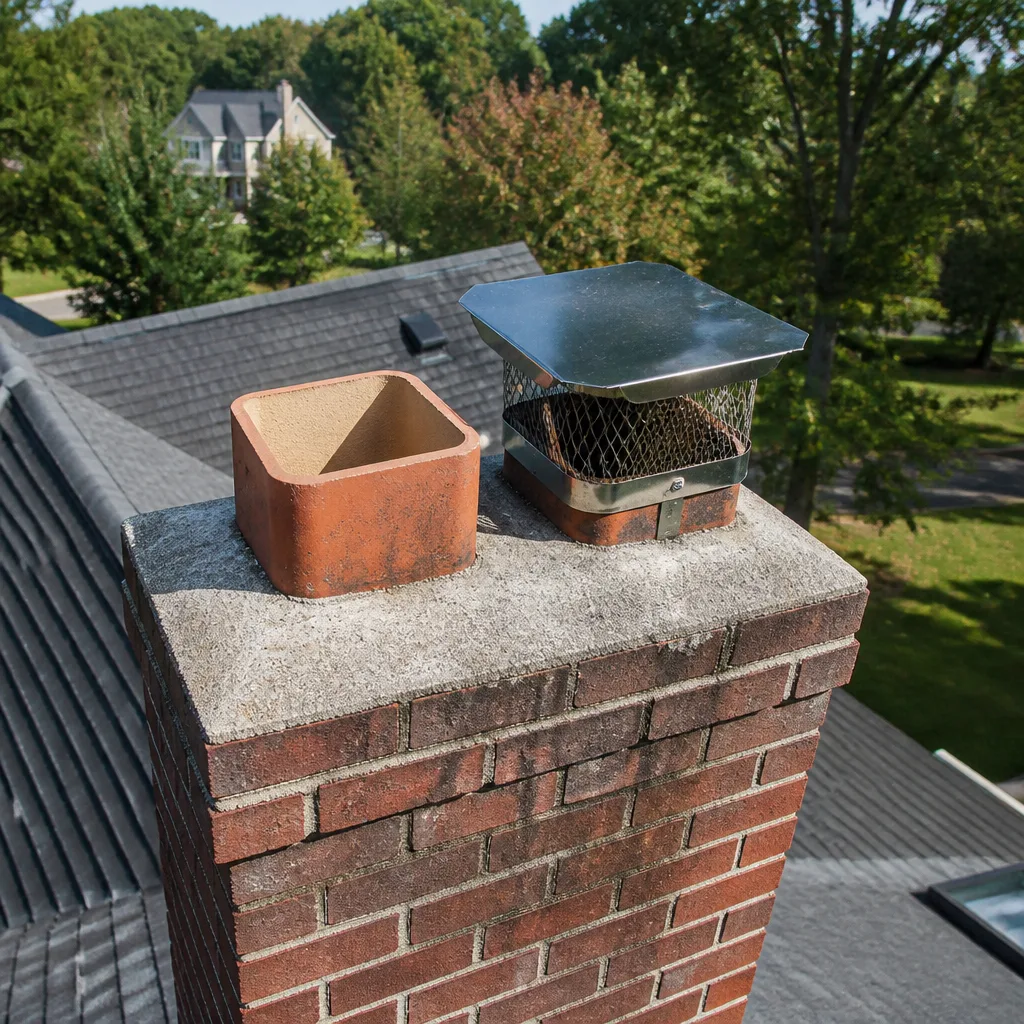
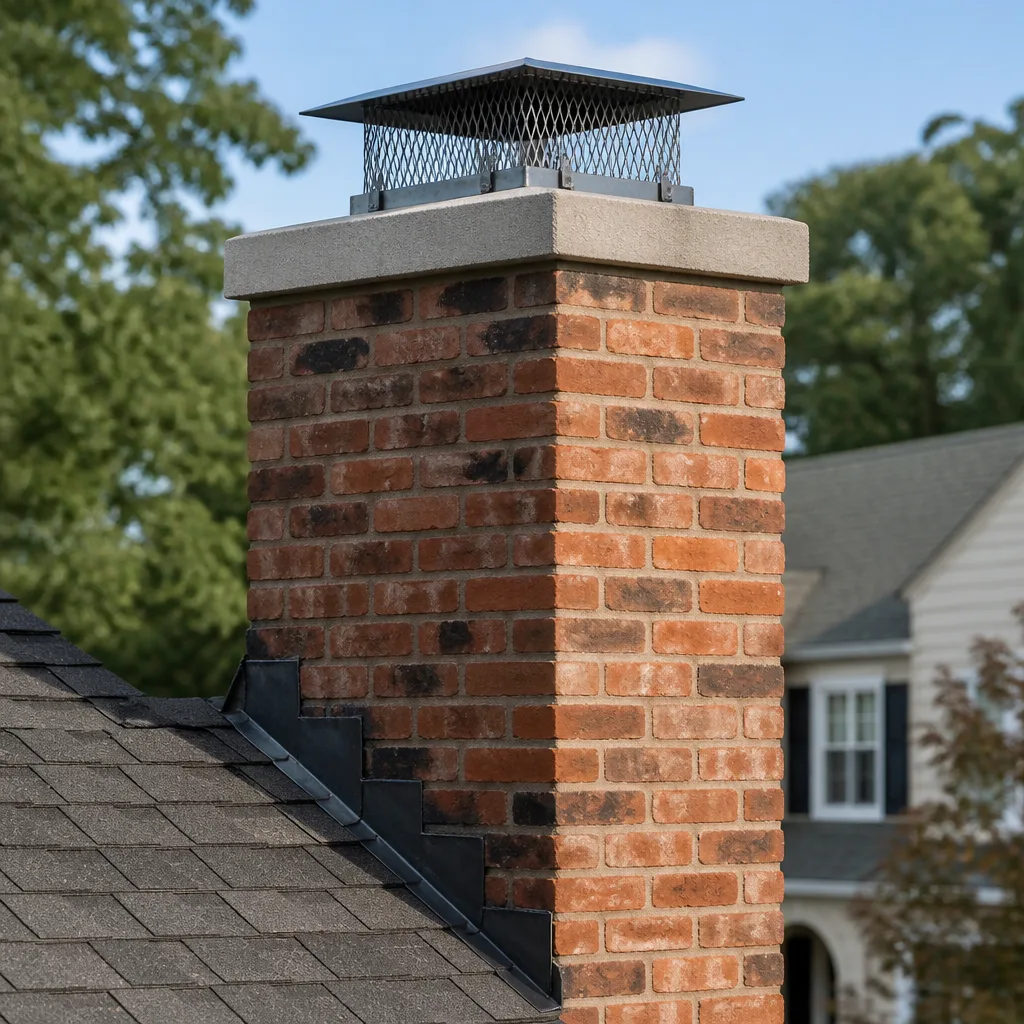 Caps & crowns
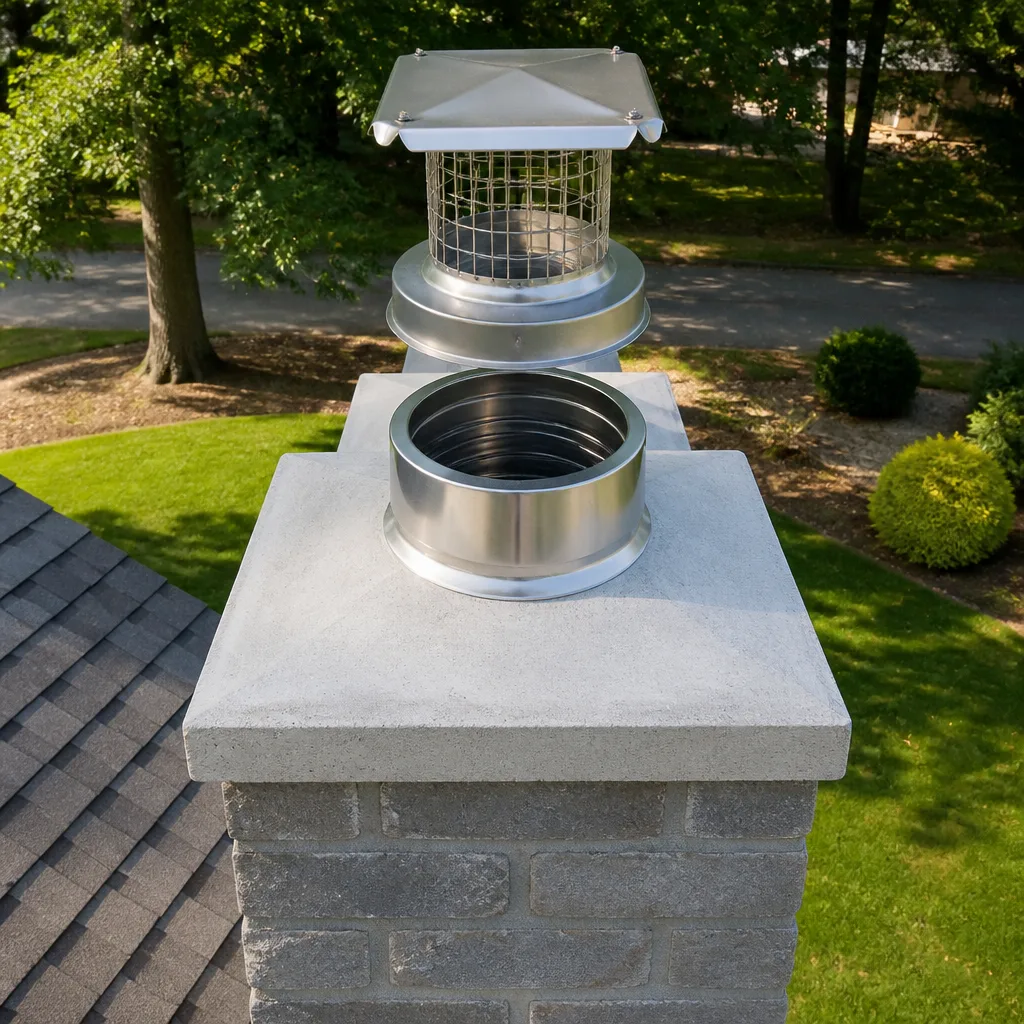 Flue relining
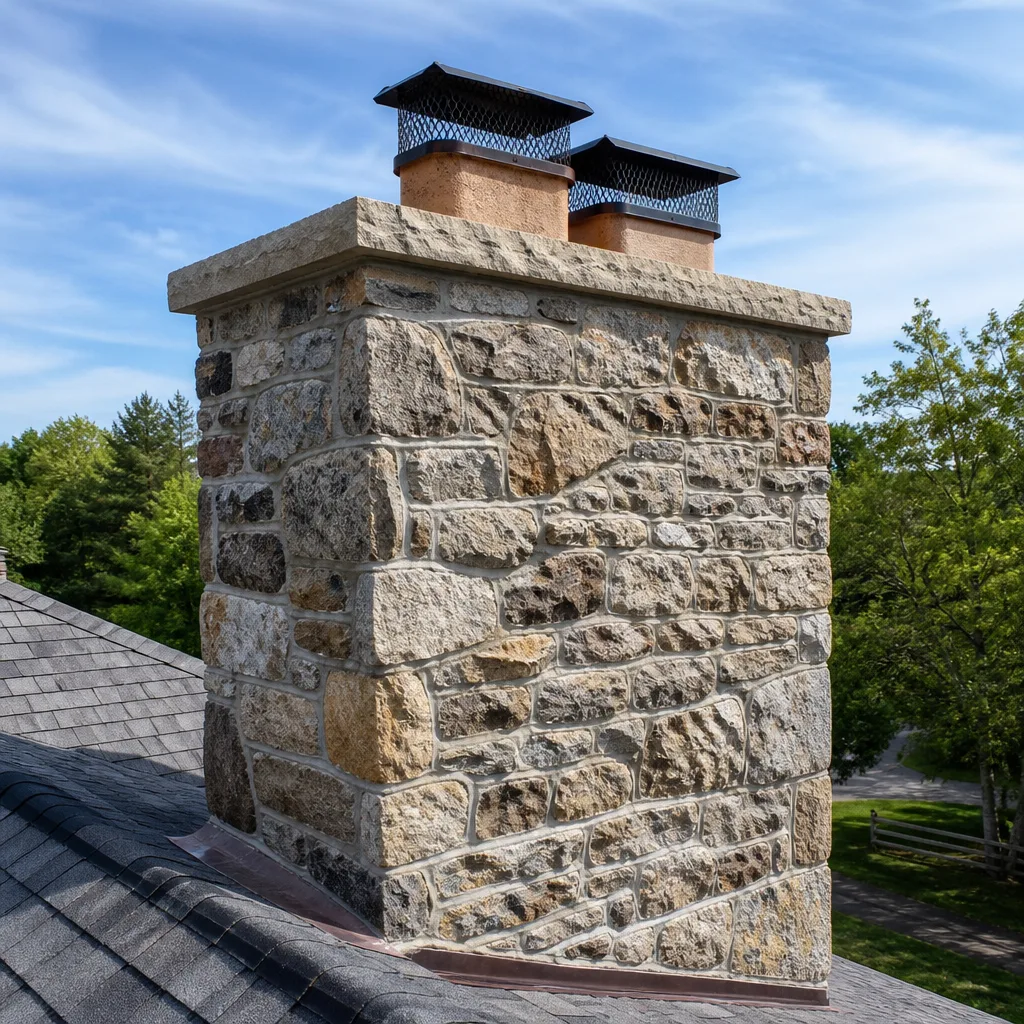 Masonry repair
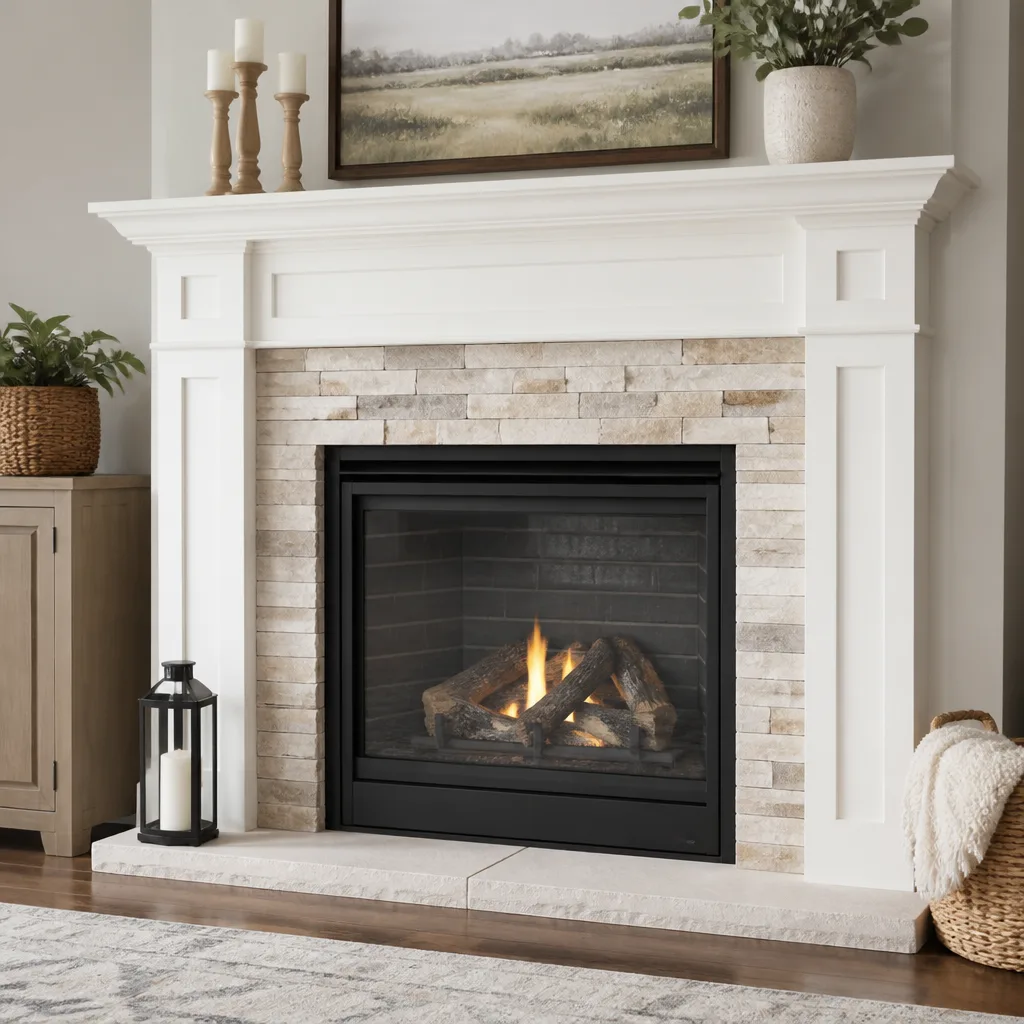 Gas fireplace service
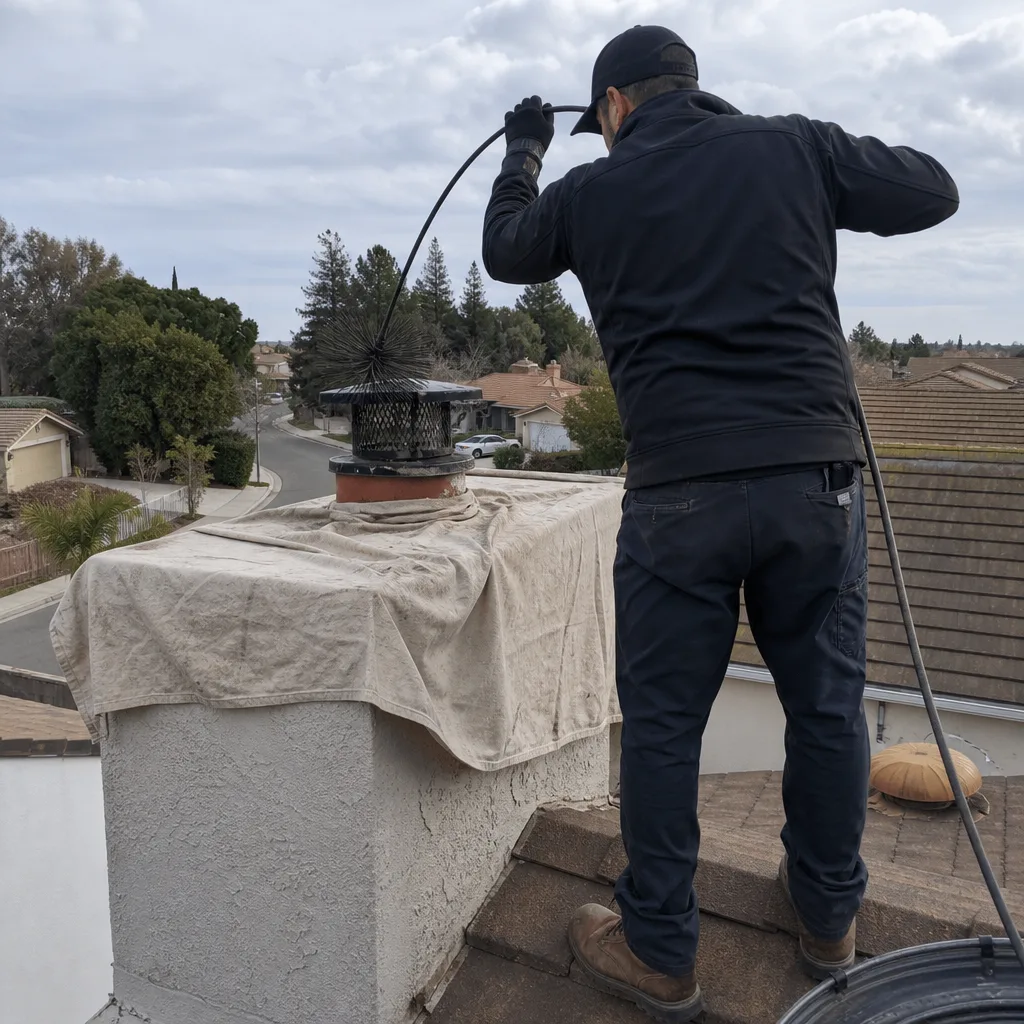
Level 1 sweep and inspection to the NFPA 211 annual standard - flue, crown, cap, and flashing checked and photographed
Chimney sweep logs do not sweep chimneys. They loosen some creosote - which then falls where a brush and vacuum still have to collect it.
The Complete Chimney Sweep Guide for Arden-Arcade Homeowners
Here’s a counterintuitive fact that surprises most Arden-Arcade homeowners: a fireplace used only ten times a year can accumulate more dangerous creosote than one burning daily through a Midwest winter. The culprit isn’t volume. It’s the start-stop burn cycle common in our Mediterranean climate, where a cold flue meets a small fire, combustion stays incomplete, and acidic residue condenses on the liner walls. This guide covers what actually happens inside your chimney between sweeps, how Arden-Arcade’s weather accelerates wear, what an inspection report really tells you, and how to schedule maintenance so you’re never rushing before the first cold snap.
Styles & brands we work with
- Sweep & inspection
- Caps & crowns
- Flue relining
- Masonry repair
- Gas fireplace service
Quick Answer
A chimney sweep in Arden-Arcade typically costs $180 to $340 for a standard Level 1 cleaning and inspection, takes 45 to 90 minutes, and should be scheduled annually even if you only burn occasionally. Arden-Arcade’s wet winters and long dry summers create distinct flue damage patterns that make professional visual inspection as important as the sweeping itself. Call (833) 589-9906 for a free estimate and to confirm current scheduling availability.
Table of Contents
- Why Annual Sweeping Matters in Arden-Arcade’s Climate
- The Creosote Reality Check: Low Use Doesn’t Mean Low Risk
- The Arden-Arcade Home Vintage Inspection Checklist
- Reading a Level 1 vs. Level 2 Inspection Report
- Smoke Chamber Parging: The Repair Most Sweeps Skip
- Seasonal Timing: Why October Beats April in Arden-Arcade
- The Dryer Vent Connection: Two Fire Hazards, One Call
- Why Flue Materials Matter: Professional-Grade vs. Hardware-Store Substitutes
- Common Mistakes to Avoid
- When to Call a Professional
- Frequently Asked Questions
- The Bottom Line
Why Annual Sweeping Matters in Arden-Arcade’s Climate
The Sacramento Valley doesn’t punish chimneys the way New England does. No freeze-thaw cycles splitting brick crowns, no six months of acidic snow melt. But Arden-Arcade has its own damage pattern, and it catches homeowners off guard because the chimney looks fine from the ground. Wet winters saturate the porous masonry and clay liners. Long, hot, bone-dry summers bake that moisture out under 100-degree heat. That annual expansion-contraction cycle, repeated over decades, slowly separates flue tile joints and opens hairline cracks in clay liners. A chimney that hasn’t been inspected in five years in Arden-Arcade often shows exactly this kind of progressive cracking, even if the homeowner rarely burns.
What this means practically: skipping a sweep because you “only use the fireplace on Thanksgiving and Christmas” doesn’t protect the system. The sweeping itself removes creosote, but the professional inspection catches moisture damage while it’s still a $300 parging or crown-seal repair instead of a $3,500 liner replacement. We regularly see chimneys in the Arden-Arcade neighborhoods east of Watt Avenue where clay tile spalling has progressed quietly for years behind a clean-looking exterior.
What an Arden-Arcade Chimney Goes Through Each Year
- November through March: Rain events saturate brick veneer and crown surfaces. Wind-driven rain enters through cracked crowns or missing caps.
- April through June: Temperatures climb rapidly. Moisture inside the flue tries to escape and creates internal pressure on liner joints.
- July through September: Prolonged heat bakes the exterior masonry. Clay tiles, already cracked from winter moisture, expand unevenly.
- October: First fires of the season hit a flue that’s been dormant for months. Any creosote from last year has cured into a hardened, glassy stage-two deposit.
The lesson here isn’t that Arden-Arcade’s climate is uniquely hostile. It’s that the damage is invisible, gradual, and completely predictable. Annual sweeping with a trained eye catches it in the early, cheap stages. Our chimney sweep service in Arden-Arcade pairs every cleaning with a full condition assessment for exactly this reason.
The Creosote Reality Check: Low Use Doesn’t Mean Low Risk
Creosote forms in three stages. Stage one is flaky soot. Stage two is a crunchy, granulated deposit that looks like coffee grounds. Stage three is a hardened, glossy glaze that can resemble tar and is extremely difficult to remove without professional rotary tools. Here’s the part that surprises Arden-Arcade homeowners: infrequent burning accelerates the path from stage one to stage three.
When you light a fire in a cold chimney, the first 15 to 20 minutes produce incomplete combustion. The flue hasn’t warmed enough to establish a strong draft, the burn temperature is low, and unburned wood particles condense on the cooler liner walls as wet, sticky creosote. A homeowner who burns daily eventually gets the flue hot enough to burn off some of this early deposit. The homeowner who lights eight fires a season never does. Each cold start lays down another wet layer, and each layer cures during the long dormant periods between uses. Ten months of Arden-Arcade heat cures those deposits into exactly the kind of dense, fuel-rich glaze that chimney fires are made of.
None of this is visible from your living room. The first two feet of flue above the damper may look dark but acceptable. The serious buildup hides higher up, where the flue narrows and the smoke cools most rapidly. This is why a visual check with a flashlight isn’t a substitute for a proper sweep and inspection.
The Arden-Arcade Home Vintage Inspection Checklist
Most homes in Arden-Arcade were built between the early 1950s and the late 1980s. That’s a specific window in residential construction history, and it means most chimneys here share a common anatomy: brick or block exterior, clay tile liner, and a masonry smoke chamber. Some later builds from the late 80s and 90s feature factory-built metal chimneys. Each vintage has its own predictable failure points.
Here’s what a thorough inspection should address, organized by home era:
1950s through 1960s Brick Chimneys
- Crown condition: Original crowns were often poured too thin, without proper overhang or expansion joints. Cracking is near-universal by now. Water enters through these cracks and works down into the brick from the top.
- Clay tile spalling: Sixty-plus years of Arden-Arcade’s wet-dry cycle flakes thin layers off the interior tile faces. Spalled tile fragments can drop and block the flue in spots.
- Mortar joint deterioration: Interior parging and exterior brick mortar both lose bond over time. Crumbling mortar between flue tiles is a gas and smoke leakage point.
- Firebox refractory damage: Firebrick cracks and missing mortar joints are common in heavily used fireboxes. This is structural to the firebox, not just cosmetic.
1970s through 1980s Chimneys
- Pre-fab metal flues: Many 1970s builds used double-wall metal flue pipe. These systems have a 30 to 50 year service life, which means most Arden-Arcade installations are now at or past their design life.
- Chase covers and caps: Galvanized chase tops on factory-built chimneys rust through, especially in our wet winters. The rusted opening admits rain directly onto the flue exterior.
- Clearance issues: Some 1970s installations didn’t maintain proper clearance to combustibles around the flue. An inspection should verify clearances in the attic and chase.
If your home falls between these eras and you’re not sure what kind of system you have, our Arden-Arcade chimney sweep documents the exact construction and condition of your flue during every visit. We show you what we find with camera documentation where appropriate.
Reading a Level 1 vs. Level 2 Inspection Report
The National Fire Protection Association defines three levels of chimney inspection. Most Arden-Arcade homeowners will only ever deal with the first two, but knowing the difference matters when a sweep hands you a report and a recommendation. A Level 1 inspection happens during a standard sweep. It covers the readily accessible portions of the appliance, flue, and exterior. The technician examines the firebox, damper, smoke chamber, and the accessible flue interior from both top and bottom. It costs nothing extra during a scheduled sweep. If a Level 1 finds no problems, you’re done for the year.
A Level 2 inspection is more involved. It’s required when you’re selling a home, when a property changes ownership, after a chimney fire, or after any event that might have damaged the flue, like a seismic event or severe weather. It includes everything in a Level 1 plus visual examination of accessible portions in attics, crawlspaces, and basements, and typically uses a video camera to scan the full flue interior. In Arden-Arcade, a Level 2 inspection typically adds $150 to $350 to the sweep cost. The camera footage is valuable: it turns a recommendation into visual evidence you can see and evaluate yourself before authorizing repair work.
What Each Finding Actually Costs to Address
- Minor crown hairline cracks: $150 to $300 for sealant and patch. Address early.
- Missing or damaged rain cap: $80 to $200 installed, depending on flue size and material.
- Localized parging failure in the smoke chamber: $500 to $1,200 depending on access and extent.
- Clay tile cracking requiring HeatShield resurfacing: $2,500 to $5,000, significantly less than full relining.
- Full stainless relining with a DuraFlex system: $3,500 to $7,000 depending on flue height, diameter, and access.
- Complete chimney rebuild above the roofline: $5,000 to $12,000 depending on height and facing material.
These ranges reflect the Arden-Arcade market. They assume straightforward access and average chimney dimensions. Steep roofs, complex scaffolding requirements, or deteriorated surrounding framing all move costs upward. Our chimney repair service in Arden-Arcade provides line-item written quotes before any work begins, so you always know what a finding means before you commit.
Smoke Chamber Parging: The Repair Most Sweeps Skip
The smoke chamber is the inverted funnel section between your firebox and the flue. It’s built from corbeled brick, meaning each course steps inward slightly, creating a rough, jagged staircase surface. Building codes require these surfaces to be smooth and sealed, or parged. A properly parged smoke chamber directs smoke cleanly up into the flue and gives creosote no place to accumulate.
The problem: parging is labor-intensive. It requires accessing a cramped, awkward space, usually through the firebox opening. The technician works overhead, troweling a refractory mortar compound onto the corbeled brick. It’s uncomfortable work that can’t be rushed, and many discount sweeps simply don’t do it. The result is an unparged or partially parged smoke chamber that collects creosote in every brick ledge, which over years becomes a serious fire hazard inches above your firebox. A smoke chamber packed with creosote can reach ignition temperature far faster than flue deposits higher up.
In our experience, a significant fraction of Arden-Arcade chimneys we open up for the first time show either no parging or parging that failed decades ago. Homeowners are rarely told because confirming it requires a technician who actually looks up with a light during a Level 1 and knows what code-compliant parging should look like. Found during your sweep, fixed the same visit is how we handle parging failures. The work requires a masonry-qualified technician, and our chimney repair team in Arden-Arcade carries professional-grade refractory materials for exactly this repair.
Seasonal Timing: Why October Beats April in Arden-Arcade
Most chimney sweeps across the country push spring cleaning. The logic is simple: clean out the winter’s creosote before it sits and corrodes all summer. That advice makes sense in Minnesota. In Arden-Arcade, it’s backwards for most homeowners. Here’s why scheduling your sweep in October or early November delivers more value.
First, you catch moisture damage before it worsens. The November rain window is when Arden-Arcade sees its first sustained precipitation. If last year’s weather cracked your crown or a windstorm displaced your rain cap, you want to know before the rains hit, not after six months of water has worked its way into the flue. A fall sweep identifies and addresses these issues at the last responsible moment before they escalate. Second, fall sweeping removes the cured, hardened stage-two creosote built up from the previous season’s infrequent burns. You start the first fire of the season with a clean system. Third, October scheduling means you get the technician’s full attention, not a slot crammed between a dozen other panic calls the week before Thanksgiving.
The spring rush exists for good reason, and if you missed fall, spring is still far better than skipping a year. But our recommendation for Arden-Arcade homeowners is to anchor the sweep to the pre-November window. That single scheduling choice catches the moisture vulnerability of our climate at the exact moment it matters most.
The Dryer Vent Connection: Two Fire Hazards, One Call
Chimneys and dryer vents fail by the same mechanism: heat, lint or creosote accumulation, and restricted airflow. The Consumer Product Safety Commission consistently ranks dryer fires as a leading cause of residential fire loss, and the most common contributing factor is a clogged or restricted vent. Arden-Arcade homes with long dryer vent runs through interior walls or crawlspaces are especially prone to gradual lint buildup.
The connection matters because both systems deserve annual professional attention, and almost no one schedules dryer vent cleaning until the dryer starts taking two cycles to dry a load. If you’re already booking a chimney sweep, adding the dryer vent to the same visit eliminates a second service call, a second scheduling hassle, and a second unanswered fire hazard. Our team handles dryer vent cleaning in Arden-Arcade as part of our standard service offering, which means one call covers both major residential fire-risk systems. We also address the place where both systems meet: dryer vents terminating on the roof near a chimney should be checked for rodent damage and disconnected joints, which Arden-Arcade’s squirrel and roof rat population makes more than a theoretical concern.
Why Flue Materials Matter: Professional-Grade vs. Hardware-Store Substitutes
When a chimney needs repair, the materials used determine whether the fix lasts three years or thirty. Arden-Arcade’s climate exposes every material choice to wet winters and triple-digit summers. Cheap sealants, off-brand caps, and single-wall stovepipe sections from the hardware store fail early and often need replacement before the next inspection cycle. Professional-grade materials cost more up front and far less over the life of the system.
Some examples from the repair side. A DuraFlex stainless liner is made from a specific alloy designed for the acidic condensation produced by gas and oil appliances. It resists the corrosion that eats through generic flex pipe. HeatShield is a cerfractory flue sealant system that resurfacing existing clay tile chimneys from the inside, restoring them to code without the cost and demolition of full relining. Olympia Chimney supplies the dampers, caps, and chase covers that keep rain out at the top, and Famco produces the termination caps and air-movement components that keep drafts controlled. Copperfield Chimney covers the specialty tools and accessories used in professional sweeps. These aren’t brands a homeowner should recognize. They’re brands a trained chimney professional trusts because they’ve proven performance across thousands of installations nationwide.
Our position is simple. When we repair an Arden-Arcade chimney, we use professional-grade materials, not hardware-store substitutes. Found during your sweep, fixed the same visit with materials built to code, built to last. That commitment shows up in the warranty and in the longevity of the repair.
Common Mistakes to Avoid
- Skipping the inspection because the chimney looks clean from the living room. The flue interior above the damper shows damage the firebox never reveals. You need eyes at the top and bottom of the system.
- Burning green or unseasoned wood from local oak and eucalyptus. Arden-Arcade has plenty of cheap firewood sources, but green wood burns cool and wet, laying down creosote faster than almost anything else. Seasoned hardwood only.
- Closing the damper after a fire without checking that embers are fully out. Coals can smolder for hours, and a closed damper traps carbon monoxide and smoke inside the house while you sleep.
- Ignoring a cracked or spalling brick crown because it’s “just cosmetic.” It isn’t. The crown is the chimney’s roof. A cracked crown lets water into the system every single rain event.
- Assuming a home warranty covers chimney repairs. Most Arden-Arcade home warranties exclude chimney and flue components entirely, or cover only the appliance itself. Read the policy before you assume coverage.
- Scheduling the sweep for spring but never actually booking it. The best timing is the one that happens. If fall scheduling works better for your calendar, the fall sweep beats the skipped spring sweep every time.
- Hiring a roofer or handyman to “check the chimney.” A roofer sees missing flashing. A trained sweep sees failed parging, cracked flue tiles, and clearance violations. Different skillsets for different problems.
When to Call a Professional
Schedule a sweep immediately if you notice a strong smoke smell in the house after a fire has fully cooled, if you see dark staining on the ceiling or walls near the chimney, if you hear animals moving in the flue, or if your damper has become difficult to operate. All four indicate active problems that a sweep is designed to diagnose. Also call before your first fire of the season if you haven’t had an inspection in two or more years, regardless of how little you burn. Chimney Sweep Arden-Arcade offers free estimates in Arden-Arcade at (833) 589-9906. We’ll assess your system, show you what we find, and tell you plainly what can wait and what shouldn’t. Visit our Chimney Sweep Arden-Arcade home page for service details.
Frequently Asked Questions
A standard chimney sweep and Level 1 inspection in Arden-Arcade typically costs $180 to $340, with the higher end applying to chimneys that haven’t been serviced in several years or require extra access considerations. Additional work like Level 2 camera inspection, parging, or crown repair is quoted separately with written line items. Call (833) 589-9906 for an exact quote, estimates are free.
Yes, and in Arden-Arcade’s climate, infrequent burning often creates harder, more dangerous creosote than regular use because cold-start burns deposit wet creosote that cures for months between fires. The annual inspection catches moisture damage and critter activity that accumulates whether or not you burn. Skipping years builds a compounding problem that costs far more to address later.
The NFPA recommends a sweep and inspection whenever creosote buildup reaches 1/8 inch, and annually for any chimney in active use, even occasional use. In Arden-Arcade, annual fall sweeping aligns with the pre-rain window and catches moisture damage before it worsens over the wet season.
Creosote cures into a hardened, highly combustible glaze, moisture damage progresses unnoticed, and small repairable problems become large structural ones. The most serious risk is a chimney fire, which can crack liners, spread to the roofline, and cause tens of thousands in damage. In our experience, Arden-Arcade chimneys skipped for five-plus years rarely escape without at least one significant repair finding. Call (833) 589-9906 to schedule a sweep before it reaches that point.
A camera inspection reveals whether your clay tile liner has cracked, spalled, or separated to the point where the system is no longer safely venting. Hairline cracks can sometimes be resurfaced with HeatShield, while extensive damage requires a DuraFlex stainless reline. The only way to know is a visual inspection from a technician who can show you the footage rather than just handing you a verdict.
Yes, our dryer vent cleaning in Arden-Arcade handles the second major residential fire hazard in one visit. If your dryer has been taking longer to dry, running hot to the touch, or the vent hasn’t been cleaned in two years, schedule both the chimney and dryer vent together. Two fire hazards, one call.
The Bottom Line
Arden-Arcade homeowners face a specific chimney maintenance challenge: infrequent burning that creates hard creosote, wet winters followed by hot dry summers that crack clay liners, and 1950s-to-1980s home construction styles with predictable failure points. The annual sweep catches problems in the cheap stage. The inspection report tells you what matters now and what can wait. Professional-grade materials and a full-service operation mean damage found during a sweep can be addressed the same visit. Whether you burn eight times a season or eighty, the schedule is the same: once a year, before the rains. Call (833) 589-9906 to book your sweep and see what’s actually happening inside your flue.
Written by the team at Chimney Sweep Arden-Arcade, serving Arden-Arcade since 2017.
See the difference
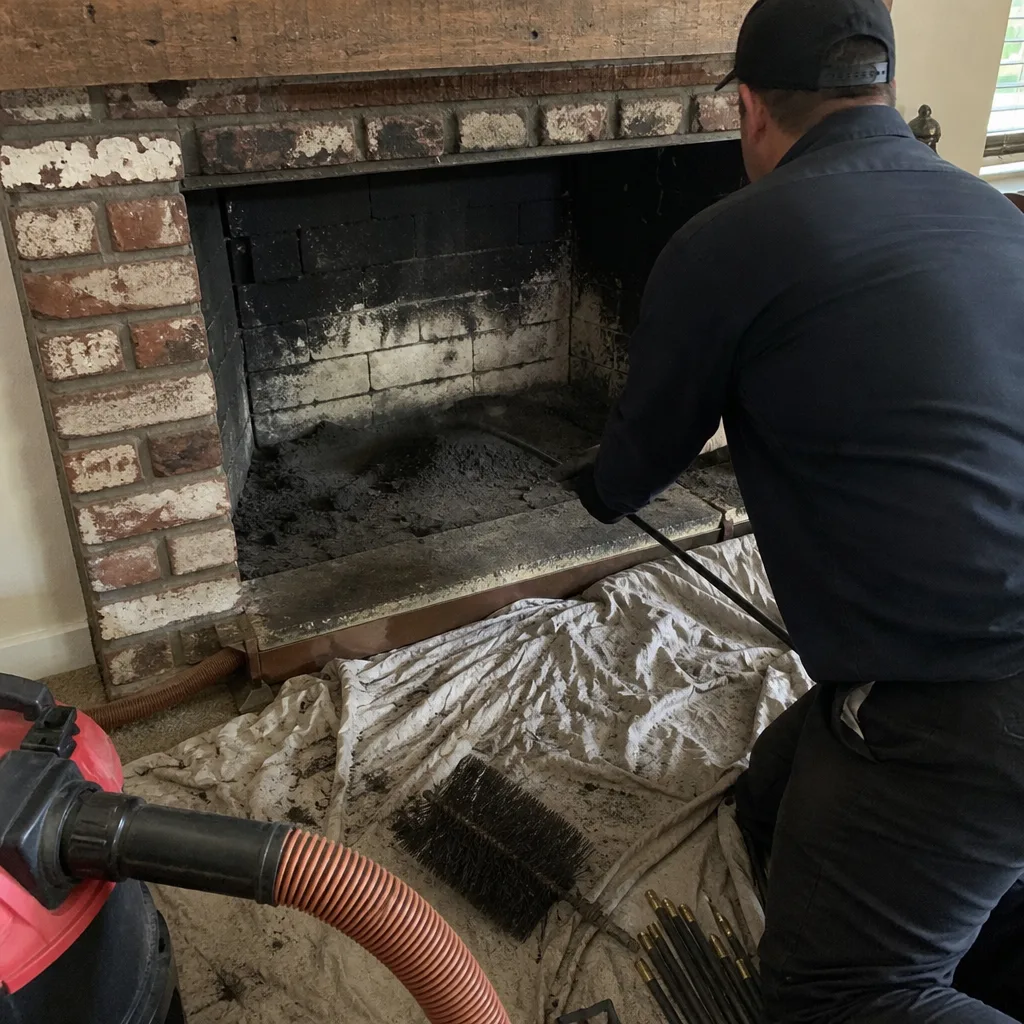 Before
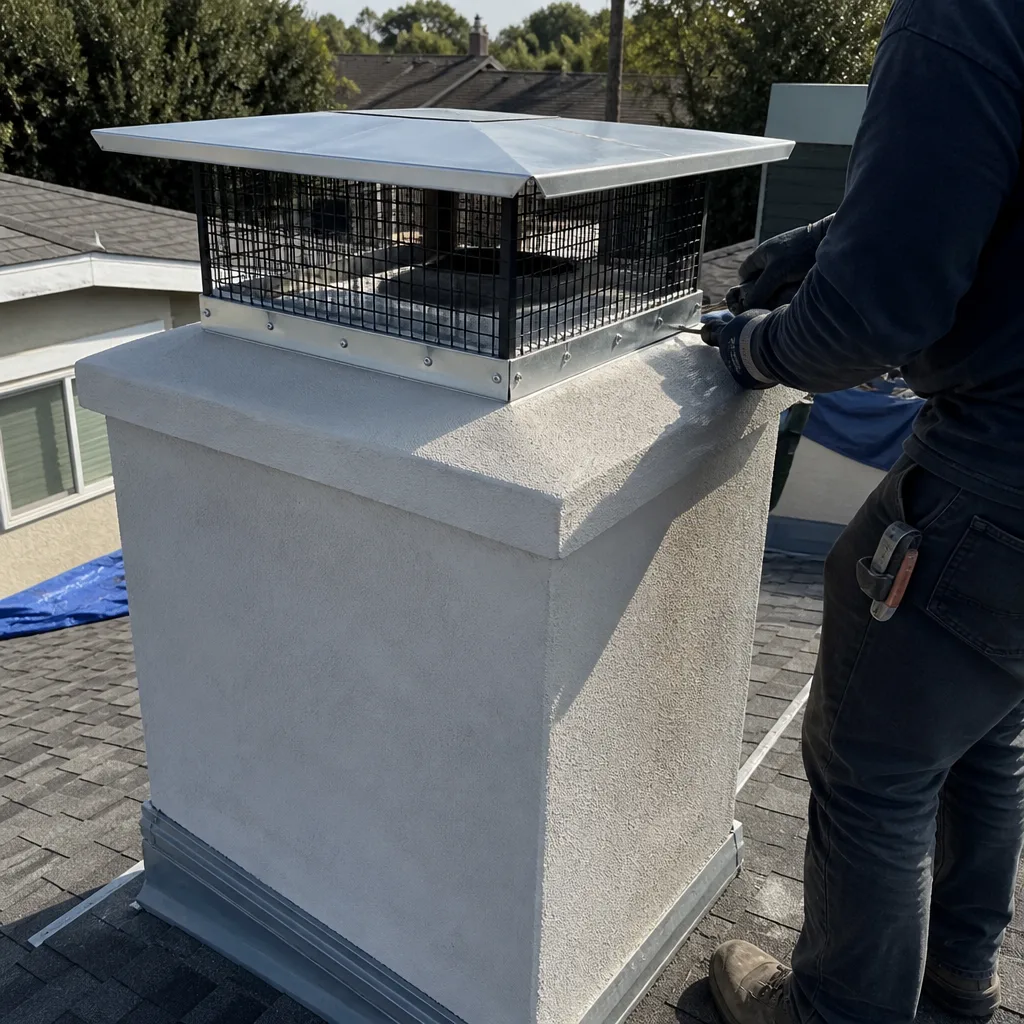 After
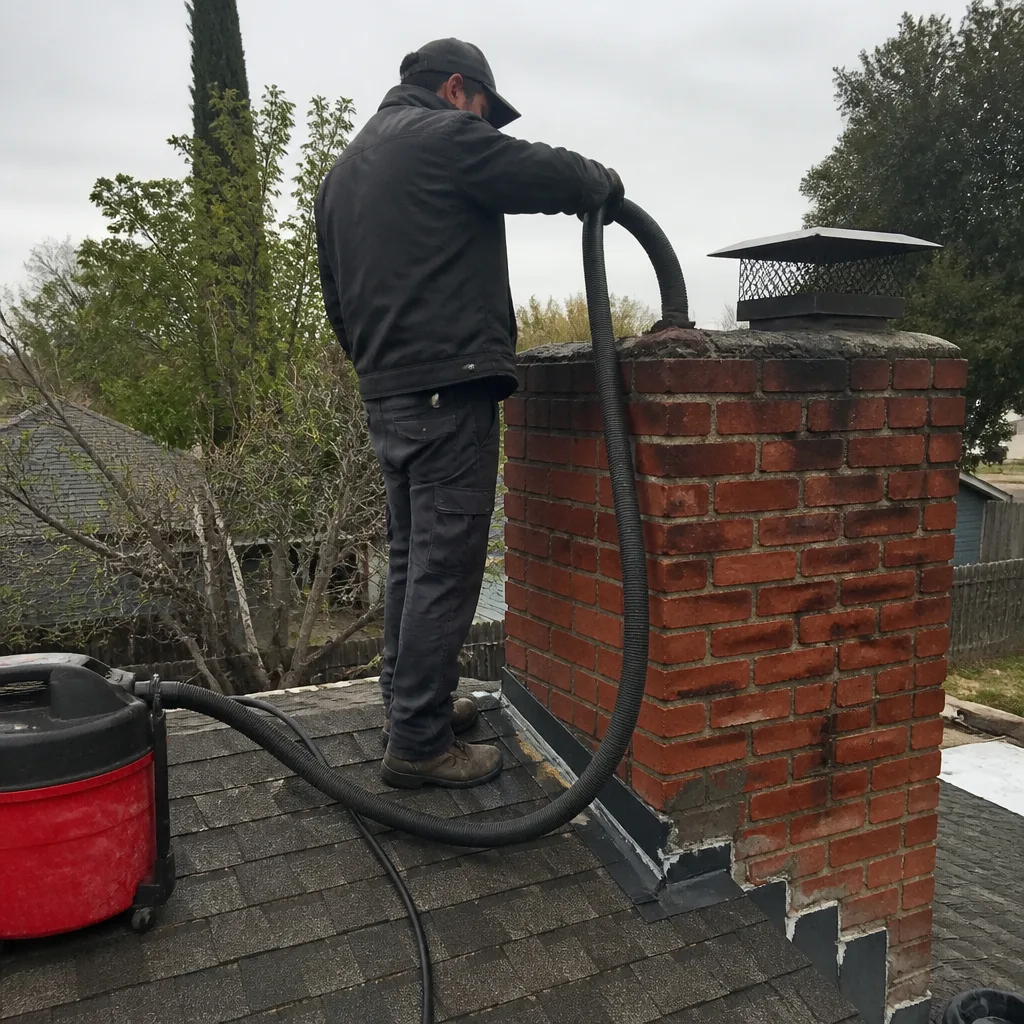 Before
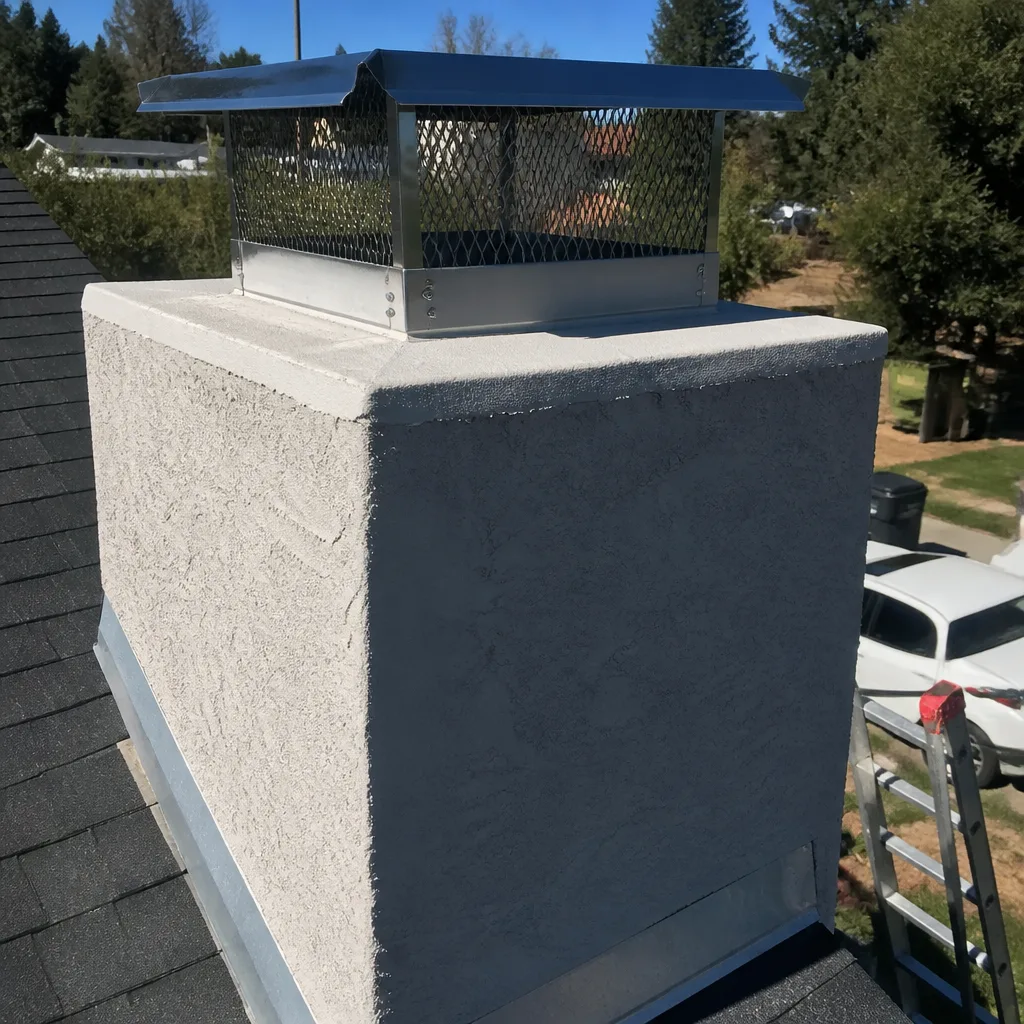 After
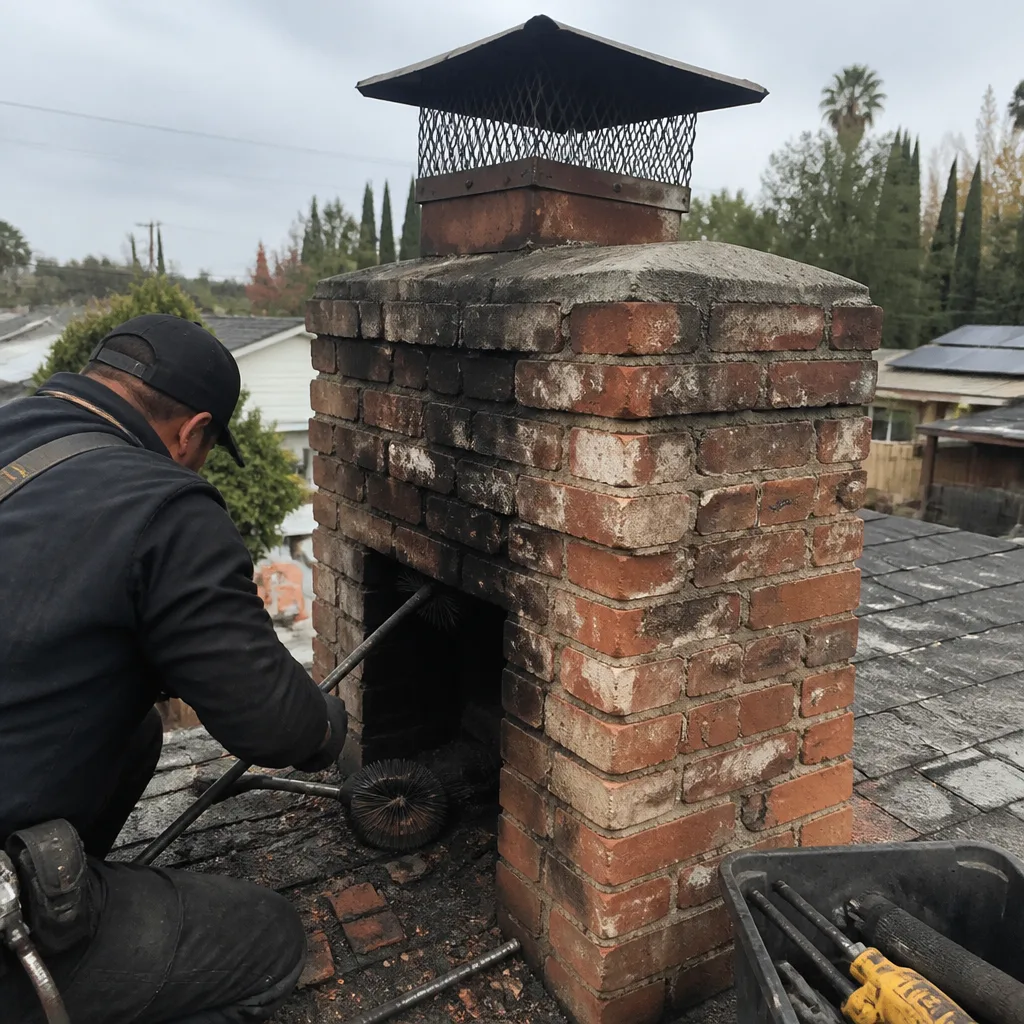 Before
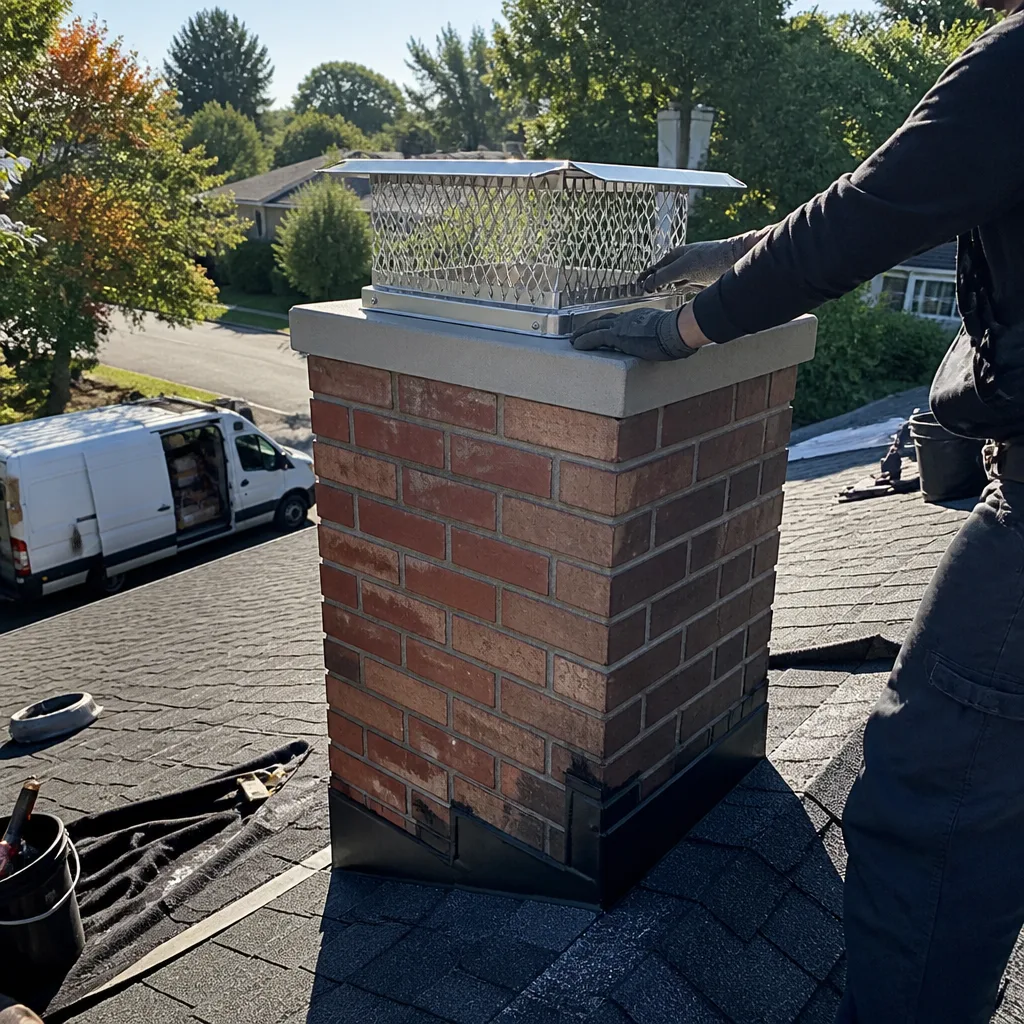 After