
Last updated November 2, 2026
 Sweep & inspection
 Caps & crowns
 Flue relining
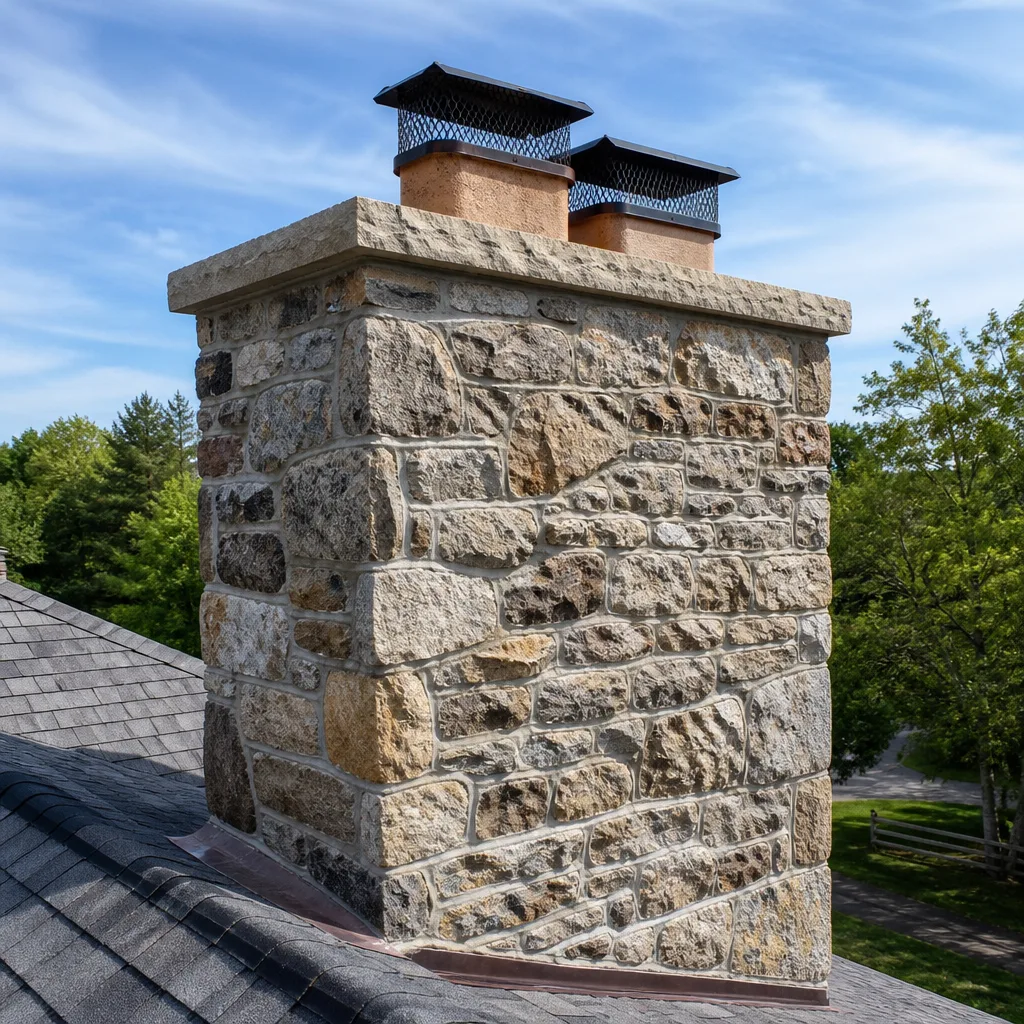 Masonry repair
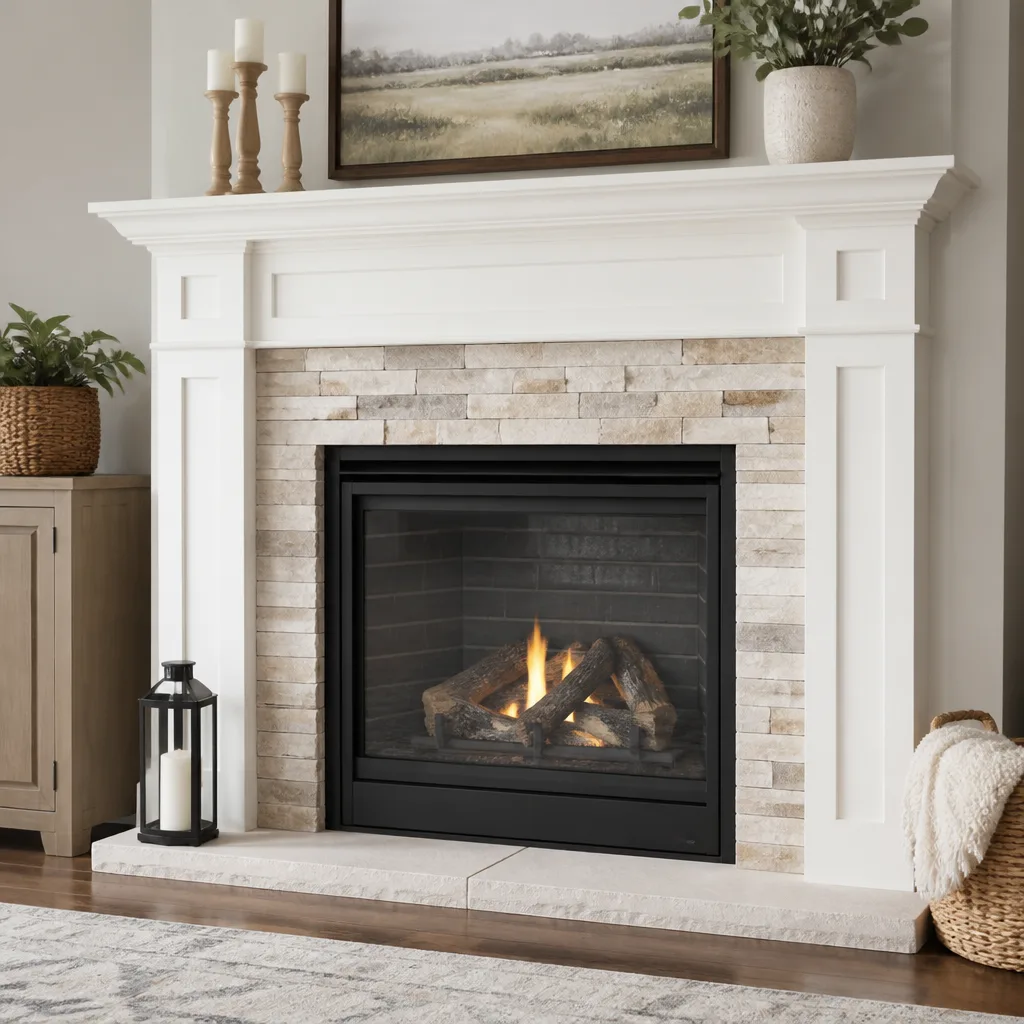 Gas fireplace service
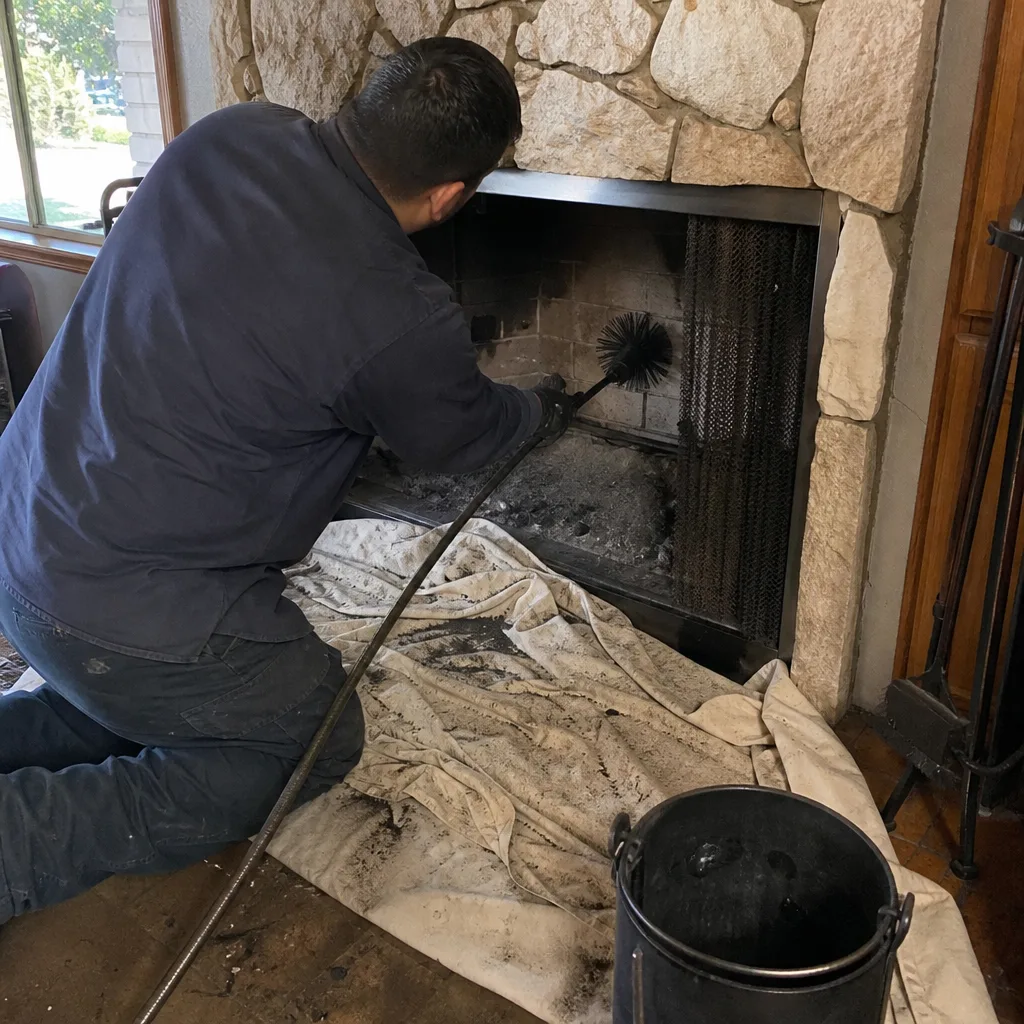
Level 1 sweep and inspection to the NFPA 211 annual standard - flue, crown, cap, and flashing checked and photographed
Chimney sweep logs do not sweep chimneys. They loosen some creosote - which then falls where a brush and vacuum still have to collect it.
Chimney Sweep Troubleshooting: Common Problems and How to Fix Them
If your fireplace smokes into the room only on windy days, your chimney doesn’t have a creosote problem, it has a negative pressure problem, and sweeping it won’t fix that. Most chimney issues homeowners call “mysterious” are actually traceable to one of four systems: firebox geometry, flue draft, the cap and crown, or liner condition. This guide walks through the diagnostic process we use on rooftops across Arden-Arcade, so you can identify what’s actually wrong before spending money on the wrong fix.
Styles & brands we work with
- Sweep & inspection
- Caps & crowns
- Flue relining
- Masonry repair
- Gas fireplace service
Quick Answer
Most chimney problems fall into four categories: draft failure (smoke rolling back into the room), moisture intrusion (odor, staining, or deterioration), structural damage (cracked flue tiles, failed liner, damaged smoke chamber), and deposit buildup (creosote from wood or soot from gas). The fix depends on which system is failing. Many issues are solved with a professional Chimney Sweep and minor component replacement; others require resurfacing or relining before another fire should be lit.
Table of Contents
- The Draft Pressure Diagnostic: Is Your Problem Structural or Operational?
- Smoke Coming Into the House: The Four Causes and Their Fixes
- Why Your Chimney Smells in Summer (and It’s Usually Not an Animal)
- Cracked Smoke Chamber vs. Damaged Damper vs. Failed Liner: Symptom Patterns
- Arden-Arcade Wood Species: How Eucalyptus and Oak Change the Cleaning Equation
- Sweeping-Solvable vs. Structural Repair: When to Stop and Assess
- Dryer Vent Warning Signs: The Other Fire Hazard on Your Property
- Common Mistakes to Avoid
- When to Call a Professional
- Frequently Asked Questions
- The Bottom Line
The Draft Pressure Diagnostic: Is Your Problem Structural or Operational?
Before you blame the chimney, test the draft. A chimney is a simple machine: it moves air from the firebox to the outside because hot gases rise and create lower pressure inside the flue than outside. When that pressure balance breaks, smoke rolls back into the room. The question is where the balance broke.
Here’s the diagnostic we use on service calls in Arden-Arcade, and it takes less than five minutes:
- Check the damper first. Open it fully. You’d be surprised how many smoke complaints trace back to a damper that’s stuck half-closed or has shifted off its track. If the damper operates smoothly and is fully open, move to step two.
- Prime the flue with a lit match or rolled newspaper. Hold a lit match or small rolled-paper torch just under the open damper, inside the firebox. Watch the flame. If it bends upward and pulls toward the flue, draft is present. If it flickers out, bends downward, or doesn’t move, you have a draft failure.
- If the match test passes but smoke still rolls back on windy days, the problem is negative pressure in the house, not the chimney. Wind creates a stack effect: it pulls air from inside the home up and out through the chimney even when no fire is burning. Exhaust fans, a running dryer, or a furnace firing can compound this. The fix is make-up air, not a sweep.
- If the match test fails entirely, the flue is obstructed or the chimney is too cold to establish draft. An obstruction (nests, heavy creosote, fallen debris) needs professional removal. A cold flue problem usually resolves by holding a rolled-paper torch at the damper for 30 to 60 seconds to establish a warm air column before lighting the main fire.
This test costs nothing and tells you more than most guesswork. It’s the same first step we take when a homeowner in Arden-Arcade calls about smoke rollback, and it separates operational issues from structural ones immediately.
Smoke Coming Into the House: The Four Causes and Their Fixes
Smoke entering your living space is the most common chimney complaint we hear, and it’s rarely a single-variable problem. Here are the four mechanical causes, ranked by frequency from our service calls across Sacramento County:
1. Flue Obstruction
Creosote buildup, animal nests, or fallen masonry can partially or fully block the flue passage. A partially blocked flue reduces draft and forces smoke sideways into the room. A fully blocked flue sends carbon monoxide into the home, which is how chimney fires and poisonings start. The fix is professional removal of the obstruction. If the obstruction is creosote, a standard sweep resolves it. If it’s a collapsed tile or masonry, the chimney needs structural repair before use.
2. Damper Malfunction
A damper that doesn’t open fully restricts exhaust flow. Dampers warp over time from heat exposure, especially in fireplaces used heavily during winter. Rust is another factor in Arden-Arcade’s damp winter mornings when condensation forms inside the flue. Replacement dampers are straightforward repairs, and when we replace one, we install a cast-iron or stainless unit, not a hardware-store substitute.
3. Negative House Pressure
Modern homes are sealed tightly for energy efficiency, but that tightness works against chimney draft. Range hoods, bathroom exhaust fans, and a furnace pulling combustion air all compete with the fireplace for the same air supply. When the house loses, smoke loses. The fix is opening a window slightly near the fireplace during use, installing a make-up air vent, or switching to a direct-vent gas insert. This is an operational fix, not a chimney repair.
4. Firebox Geometry or Flue Sizing
Some fireplaces are built with a firebox opening that’s too large for the flue diameter. The ratio is wrong, and no amount of sweeping fixes bad geometry. In these cases, a smoke guard (a metal strip that reduces the effective opening height) or a flue extension solves the rollback. This is a measured fix: we calculate the opening-to-flue ratio and make the adjustment precisely.
If you’re dealing with recurring smoke in your Arden-Arcade home, the Chimney Sweep in Arden-Arcade page covers what a professional sweep includes and what to expect during a service call.
Why Your Chimney Smells in Summer (and It’s Usually Not an Animal)
Every July and August, we get calls from homeowners who say their chimney smells like a wet campfire or old barbecue. They assume a raccoon or squirrel died in there. Most of the time, the real cause is chemistry, not wildlife.
Here’s what’s happening: creosote, the tar-like byproduct of wood combustion, is hygroscopic. It absorbs moisture from the air. During Arden-Arcade’s warm, dry summers, the temperature swings between hot days and cool nights create condensation inside the flue. That moisture combines with the creosote to form a compound with a sharp, acrid odor. The hotter and more humid the exterior air, the stronger the smell. That’s why your chimney stinks in August but not in January.
The fix is straightforward:
- Sweep the flue to remove the creosote deposits. No creosote, no odor-producing compound. A pre-season sweep removes the aroma source.
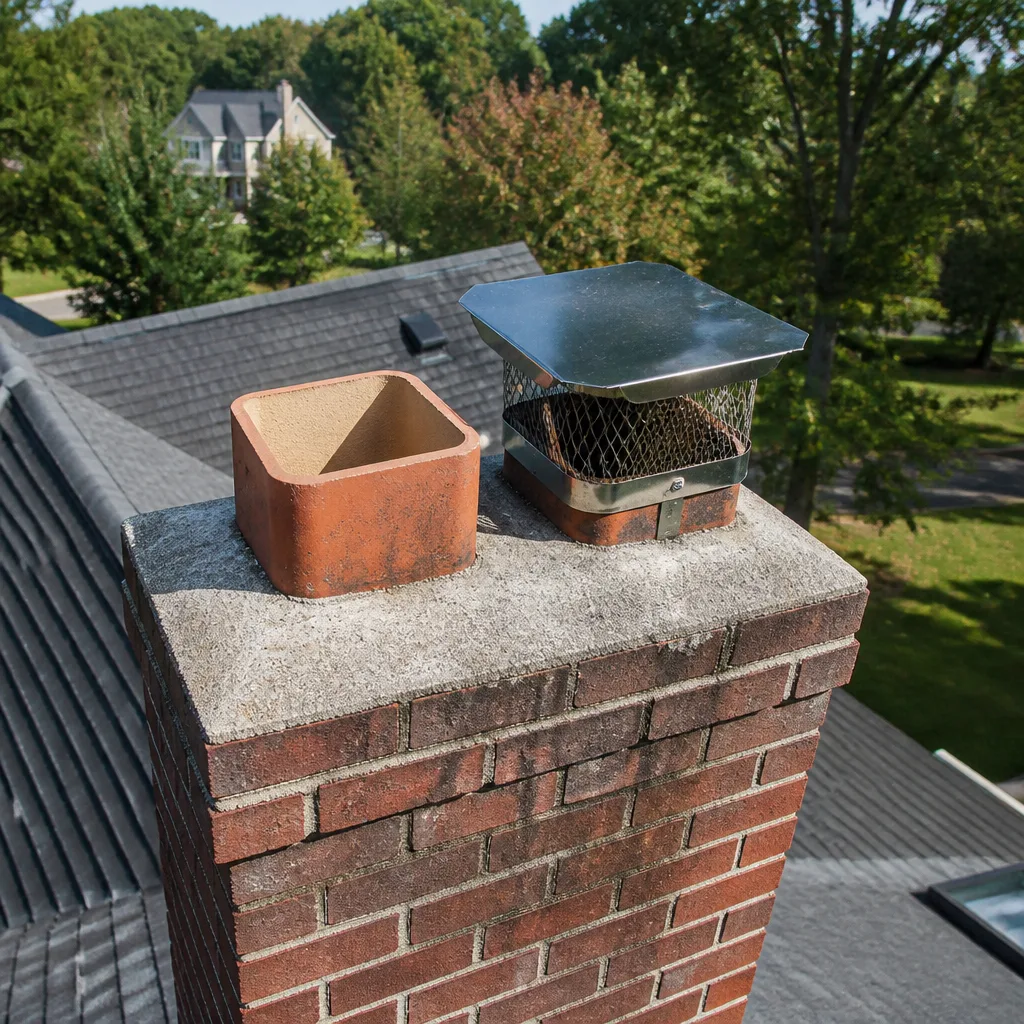
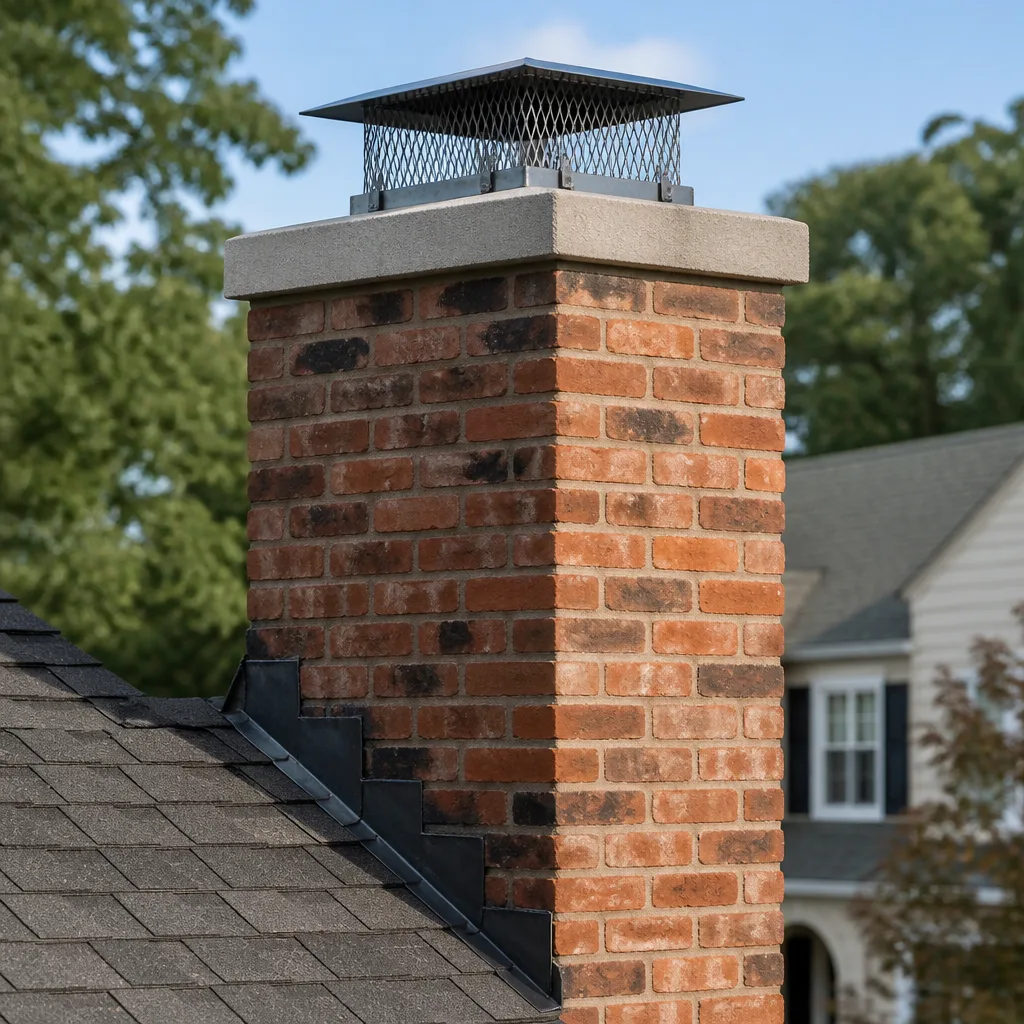
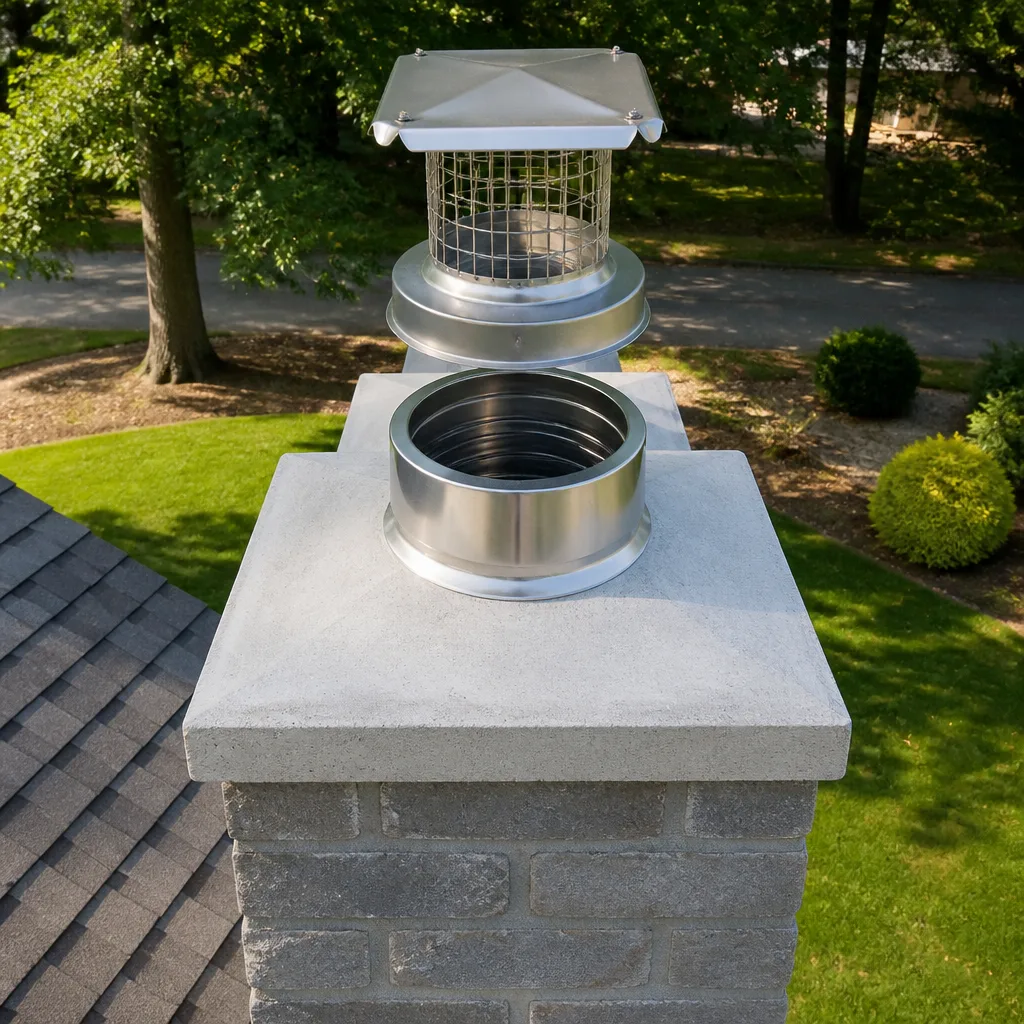
- Check the cap and crown. Moisture access accelerates the cycle. A damaged crown or missing cap lets rain and humidity enter, feeding the creosote. We replace caps and crowns as part of a full chimney assessment.
- Install a damper seal or close the damper fully. A tight damper stops moist summer air from circulating through the flue and reaching the deposits.
- In persistent cases, consider a sealed gas insert. For homeowners who burn infrequently, converting to a sealed direct-vent unit eliminates the open flue pathway that causes summer odor.
If an animal is present, you’ll usually know it: scratching sounds, visible nesting material, or a distinct ammonia-like smell that’s different from creosote odor. Either way, a professional inspection identifies the source. Our Chimney Sweep Arden-Arcade home page outlines the full scope of what we inspect during a standard service.
Cracked Smoke Chamber vs. Damaged Damper vs. Failed Liner: Symptom Patterns
Three different components can fail in a chimney and produce overlapping symptoms. Knowing which one is failing changes the repair approach, the price, and the urgency. Here’s how to tell them apart:
Cracked Smoke Chamber
The smoke chamber sits between the firebox and the flue, funneling exhaust upward. It’s built from corbeled brick or terra cotta, and it takes direct heat every fire. Over time, the mortar joints crack. Symptoms: smoke leaking through interior walls near the fireplace, a sulfur-like smell after fires, visible cracks in the firebox back wall when you look up from the hearth. This is a structural repair. We use HeatShield to resurface smoke chambers, which is a specialized treatment most basic sweep operations don’t offer. A cracked smoke chamber means no fires until it’s fixed.
Damaged Damper
The damper is a metal plate at the throat of the flue. Symptoms: smoke rollback on startup that resolves once the fire is burning hot, cold drafts when the fireplace isn’t in use, visible rust or warping on the plate itself. Damper replacement is a component swap: we remove the old unit and install a new one, typically in under an hour. It doesn’t require resurfacing or relining.
Failed Liner
The liner is the continuous vertical passage inside the flue. Older chimneys in Arden-Arcade often have terra cotta tile liners that crack under heat stress. Symptoms: white staining on exterior brick (efflorescence), a persistent musty smell, visible cracks in the flue tiles when inspected from the roof, or pieces of tile found at the bottom of the firebox. A failed liner is the most serious of the three. The fix is relining, typically with a stainless steel system like DuraFlex. Relining restores the chimney’s structural integrity and clearance to combustibles. We’re equipped for full relining jobs, not just surface cleaning, which means a damaged liner found during a sweep can be addressed without a second contractor. For more context on what a thorough sweep involves, see our The Complete Chimney Sweep Guide for Arden-Arcade Homeowners.
If you suspect any of these failures, the Chimney Repair in Arden-Arcade page details what each repair involves and what to expect for timelines.
Arden-Arcade Wood Species: How Eucalyptus and Oak Change the Cleaning Equation
Not all creosote is the same, and the wood you burn determines the deposit profile. In Arden-Arcade, two species dominate residential firewood: eucalyptus and interior live oak. Each produces a different type of residue, and each requires a different cleaning approach.
Eucalyptus: The Glaze Creator
Eucalyptus burns hot and fast, with a high resin content. The oils in the wood produce a dense, tar-like creosote that coats the flue walls in a shiny, dark glaze. This is Stage 3 creosote, the hardest type to remove. Standard wire brushes won’t cut it. We treat eucalyptus-glazed flues with a chemical treatment that crystalizes the creosote, then follow with mechanical sweeping to remove the loosened deposits. If you’ve burned eucalyptus regularly, expect a longer service call and possibly a two-stage cleaning.
Oak: The Dense Soot Builder
Interior live oak produces a drier, powdery creosote that builds up in layers. It’s easier to remove than eucalyptus glaze, but the volume is often higher because oak burns longer per load. Oak smoke also produces more fine particulate, which accumulates in the smoke chamber and around the damper assembly.
Why It Matters
The cleaning method isn’t interchangeable. A flue with eucalyptus glaze needs chemical pre-treatment. A flue with oak soot needs thorough mechanical brushing. Running the wrong method wastes your money and leaves dangerous residue behind. When we sweep in Arden-Arcade, we ask what you’ve been burning for a reason. It tells us what we’re dealing with before we ever extend the first rod.
Sweeping-Solvable vs. Structural Repair: When to Stop and Assess
Some chimney problems end with a clean flue and a handshake. Others require the fire to stay cold until a repair is made. Knowing which category you’re in is the difference between a $200 service call and a $3,000 structural project, and the wrong call can be dangerous.
Sweeping-Solvable Problems
- Creosote buildup of any stage (stage 3 glaze requires chemical treatment, but it’s still a sweep)
- Soot accumulation from gas logs
- Minor cap debris blockage (leaves, small animal nests, wind-blown material)
- Odor from creosote deposits
- Damper binding from soot or mild surface rust
Structural Repairs Required Before Use
- Cracked flue tiles visible from inspection, with gaps exceeding 1/8 inch
- Smoke chamber mortar failure with visible cracking or separation
- Liner gaps, offset, or collapse detected during camera inspection
- Crown deterioration that allows water into the chimney chase
- Exterior spalling brick that compromises the chimney’s lateral stability
The rule we give every customer: if the deposit is inside the flue, we can sweep it. If the structure that contains the flue is compromised, sweeping doesn’t make it safe. When we find damage during a sweep, we show you the camera footage. No one should approve a repair they can’t see, and we don’t recommend work without evidence. Found during your sweep, fixed the same visit is our standard when the damage is within scope, and partners like Dryer Vent Cleaning in Arden-Arcade keep that efficiency going across both of your home’s fire-risk systems.
Dryer Vent Warning Signs: The Other Fire Hazard on Your Property
Your chimney isn’t the only vertical passage that moves hot air. Dryer vents accumulate lint in the same way chimneys accumulate creosote, and the failure mode is similar: airflow restriction, trapped heat, fire. We handle both because the diagnostic logic carries over.
Warning signs your dryer vent needs attention:
- Clothes take two cycles to dry when they used to finish in one
- The dryer cabinet runs hot to the touch during normal operation
- A burning smell or no heat on the dryer’s exhaust side
- The exterior vent flap doesn’t open when the dryer is running
- Visible lint around the vent termination or inside the laundry room
Lint accumulation is a progressive restriction. The vent narrows over months, exhaust flow drops, and the dryer works harder. The temperature inside the vent climbs. Vents with long horizontal runs (common in single-story Arden-Arcade ranch homes) are especially prone to buildup because lint cools and settles before it exits. Two fire hazards, one call: when we clean a chimney, we’re already on the roof and have the rods out, so adding a dryer vent clean is a marginal extension, not a separate appointment.
Common Mistakes to Avoid
- Sweeping without a camera inspection afterward. A brush removes deposits, but it doesn’t tell you whether the liner cracked before or during the cleaning. We run a camera after every sweep, which is the only way to confirm the flue is structurally sound. Skipping this step leaves hidden damage undiscovered.
- Burning wet or green wood to save money. Green wood produces more creosote per fire than seasoned wood, which means more frequent sweeps and a higher fire risk. The savings disappear on the first service call.
- Ignoring a damper that’s hard to operate. A binding damper is an early sign of rust, warping, or debris buildup. Forcing it can crack the mechanism and turn a simple repair into a replacement.
- Closing the damper while the fire is still smoldering. This traps smoke and carbon monoxide inside the house. The damper should stay open until the fire is completely out and no embers are glowing.
- Hiring a generalist handyman for chimney work. Chimney systems have specific clearances, codes, and material requirements. A handyman who doesn’t know those specifics can create more problems than they solve. The chimney is a structural system, not a simple duct.
- Skipping annual sweeps when you burn infrequently. Even light usage creates deposits. A small fire once a month still produces creosote that accumulates over the season. Annual maintenance is cheaper than the repairs that follow neglect.
- Using the fireplace while the carbon monoxide detector is dead. A working CO detector is non-negotiable for any home with a wood-burning or gas fireplace. Test it twice a year, and replace units older than seven years.
When to Call a Professional
Call a professional when you see smoke rollback that persists after opening a window and priming the flue, when you find pieces of flue tile in the firebox, when water stains appear on the ceiling or walls near the chimney, when the chimney emits a strong odor that doesn’t resolve after a sweep, or when a camera inspection reveals cracked tiles or liner separation. These are structural signals, not maintenance items. Burning a fire through a compromised chimney risks carbon monoxide exposure and chimney fire, and neither is worth the gamble. Chimney Sweep Arden-Arcade offers free estimates in Arden-Arcade, call (833) 589-9906 to schedule an inspection.
Frequently Asked Questions
A standard chimney sweeping in Arden-Arcade typically runs between $150 and $300 for a single flue, depending on access, deposit volume, and whether chemical treatment is needed for glazed creosote. Eucalyptus-burning homes often fall on the higher end. Call (833) 589-9906 for an exact quote, estimates are free.
Wind creates negative pressure around and inside the home, which reverses the draft through the flue. It’s typically an operational or house-pressure problem, not a creosote problem. The fix usually involves make-up air, a taller flue top, or a smoke guard, and the match test described above confirms the diagnosis.
A new liner is necessary when the existing liner has cracked tiles, gaps, or visible separation that compromises clearance to combustibles. You should be shown the evidence: a camera inspection showing the specific damage, not a verbal summary. We show you what we find, and if the liner is intact, we’ll tell you that too. No one should approve a relining job without seeing the damage for themselves.
The National Fire Protection Association standard is annual inspection, with sweeping as needed based on deposit buildup. In Arden-Arcade, homes that burn eucalyptus or oak regularly should expect a sweep every 1 to 2 years. Gas insert users can typically go longer between sweeps, but should still have an annual visual inspection.
Creosote accumulates, flue passage narrows, and draft decreases. The risk compounds: reduced airflow means more smoke and particulate entering the home, and a thicker creosote layer means a hotter, more damaging chimney fire if one starts. The longer you go between sweeps, the more difficult and expensive the eventual cleaning becomes.
Yes, we handle both chimney and dryer vent cleaning under one call. Since we’re already set up with the equipment and on your property, adding a dryer vent clean is efficient. Two fire hazards, one call. Schedule both at (833) 589-9906.
The Bottom Line
Most chimney problems have mechanical explanations, and most are fixable once you identify which system is failing. Test the draft, check the damper, assess the liner, and pay attention to what you’re burning. A clean flue doesn’t fix a pressure problem, and a sweep doesn’t repair a cracked smoke chamber. The chimney is a system, and systems respond to diagnostics, not guesswork. If you’re in the Arden-Arcade area and want a straight answer about what’s happening with your chimney, call (833) 589-9906, or explore our more guides & resources. We’ll tell you what we find, show you the evidence, and fix what needs fixing.
Written by the team at Chimney Sweep Arden-Arcade, serving Arden-Arcade since 2017.
See the difference
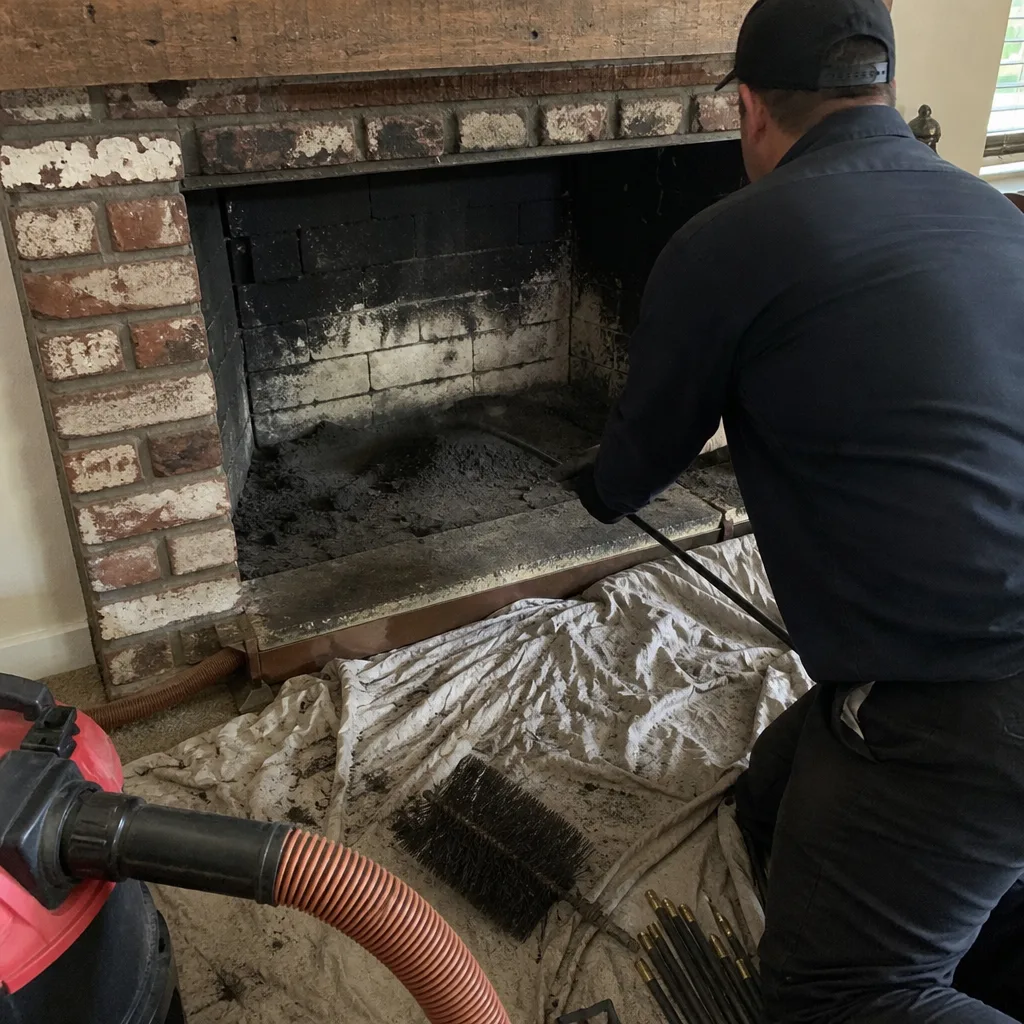 Before
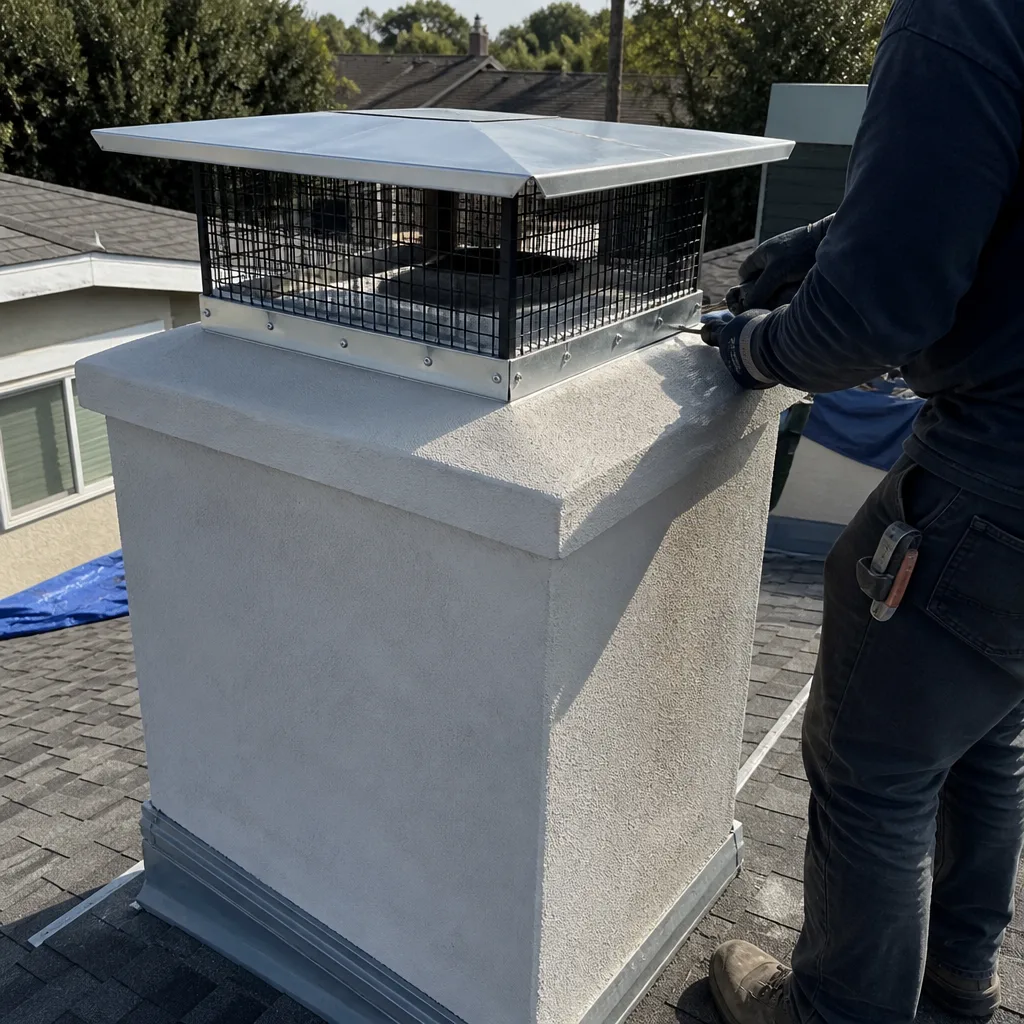 After
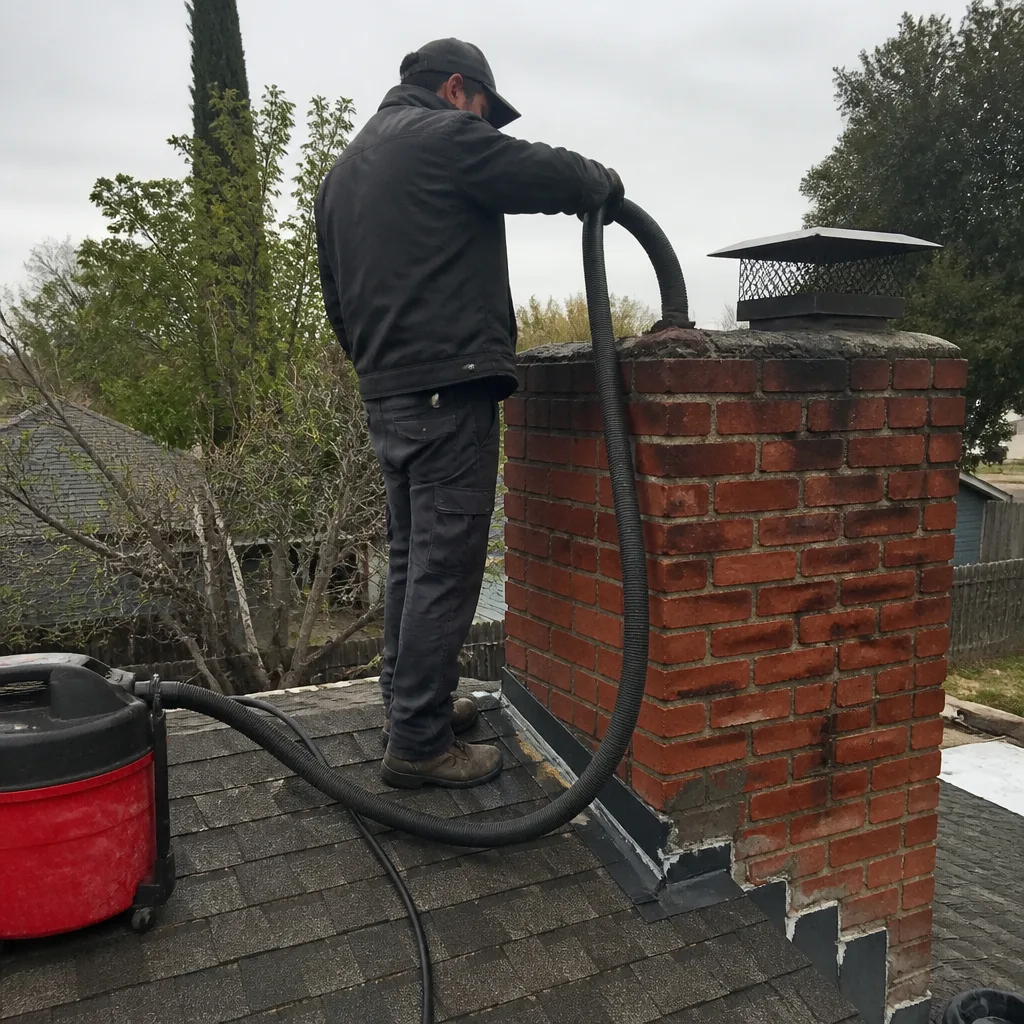 Before
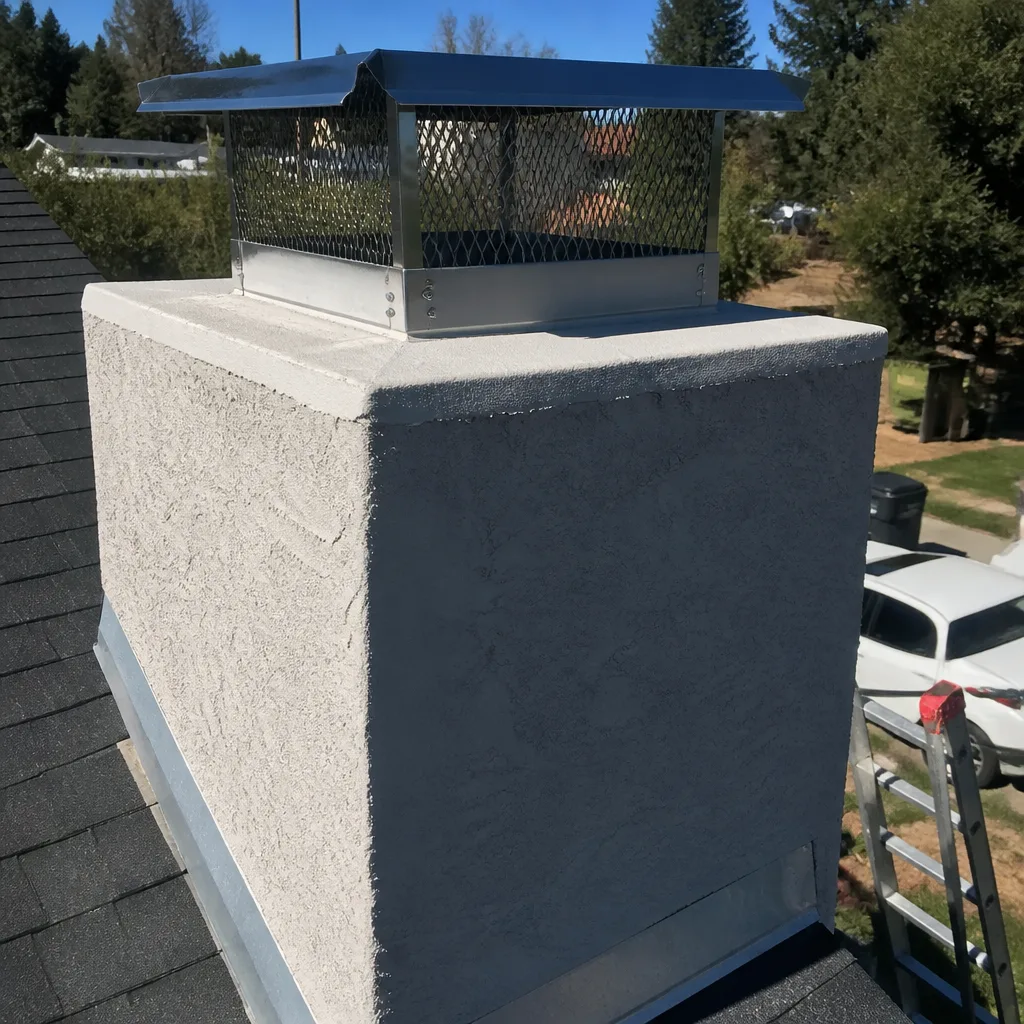 After
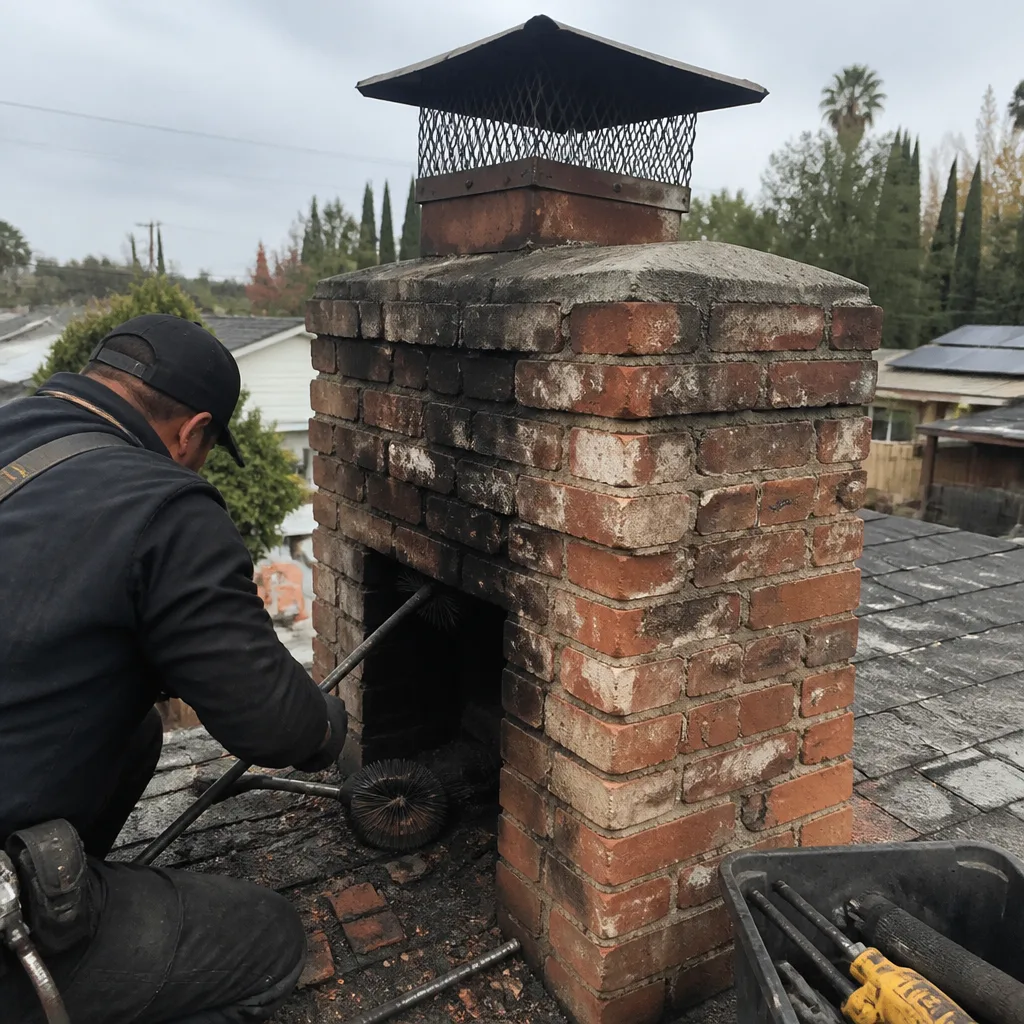 Before
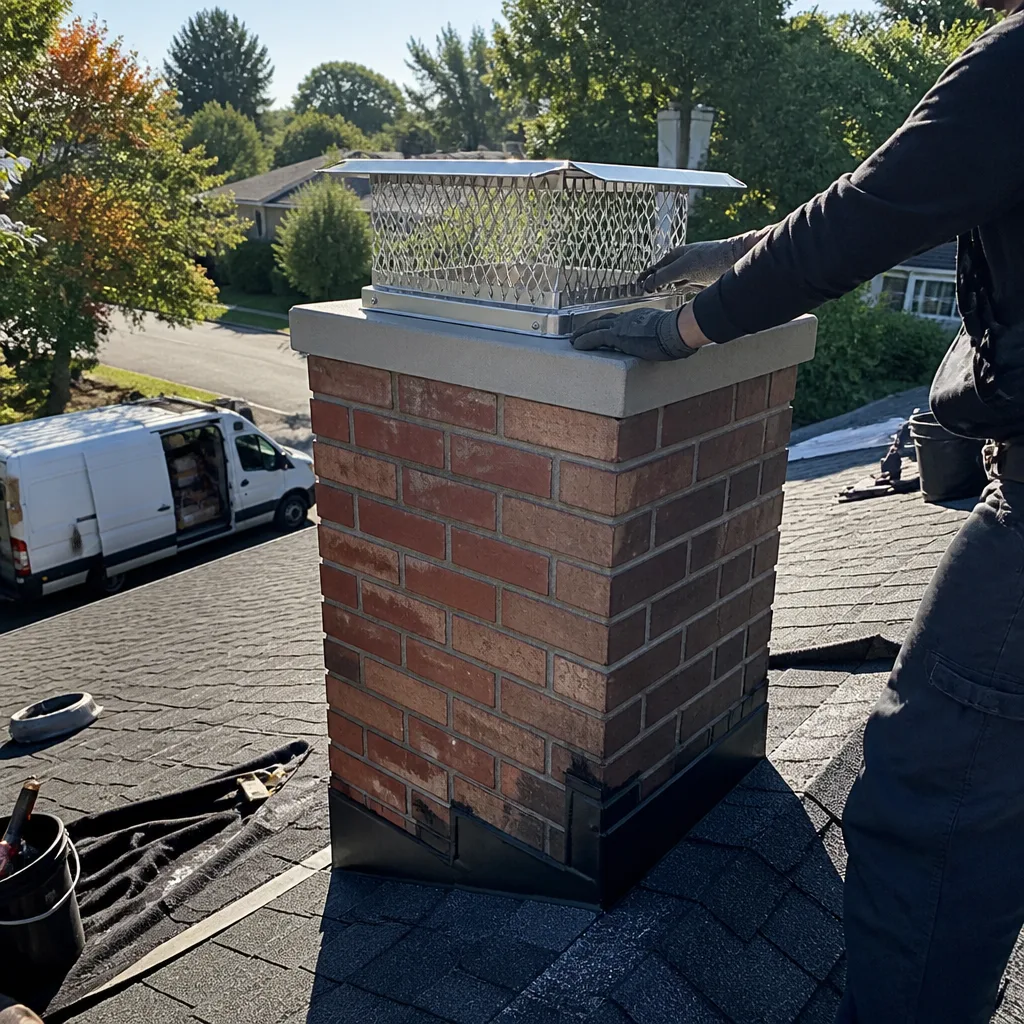 After