
Last updated November 2, 2026
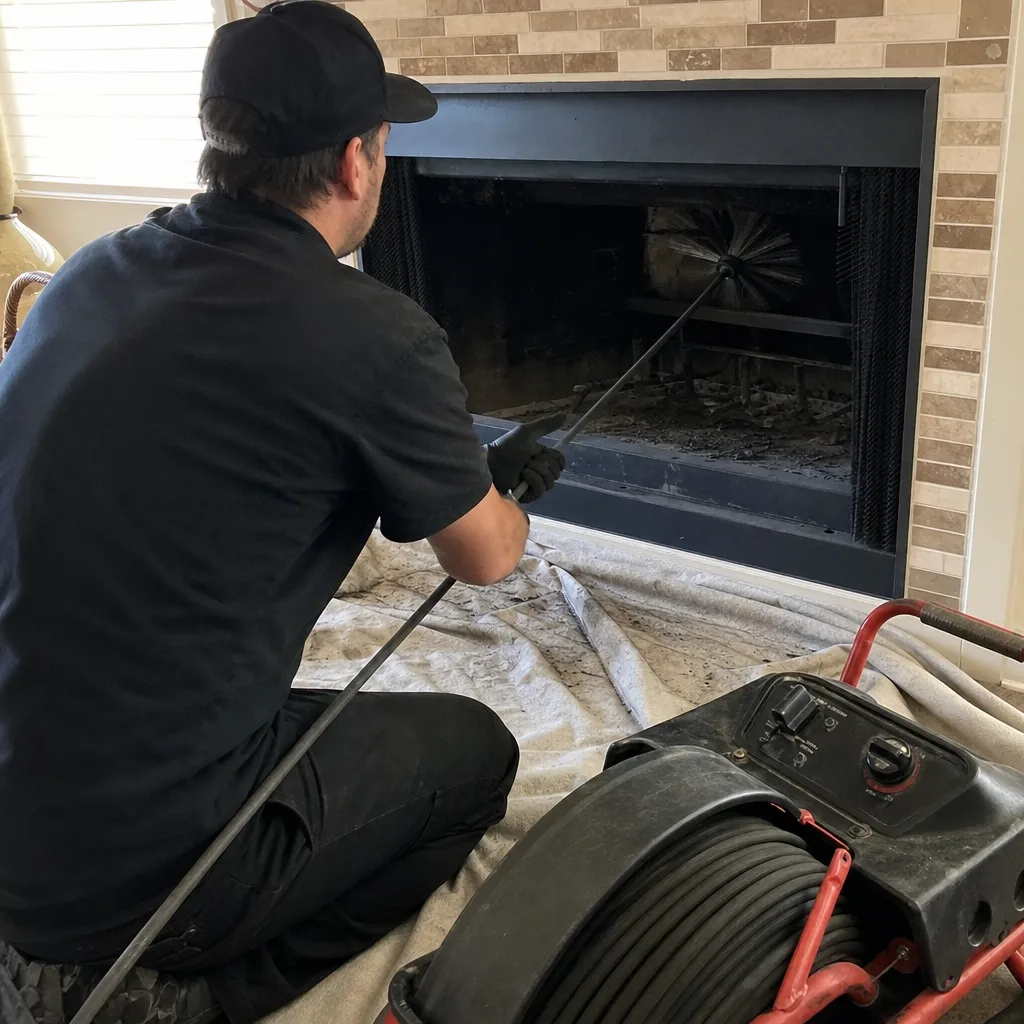
 Sweep & inspection
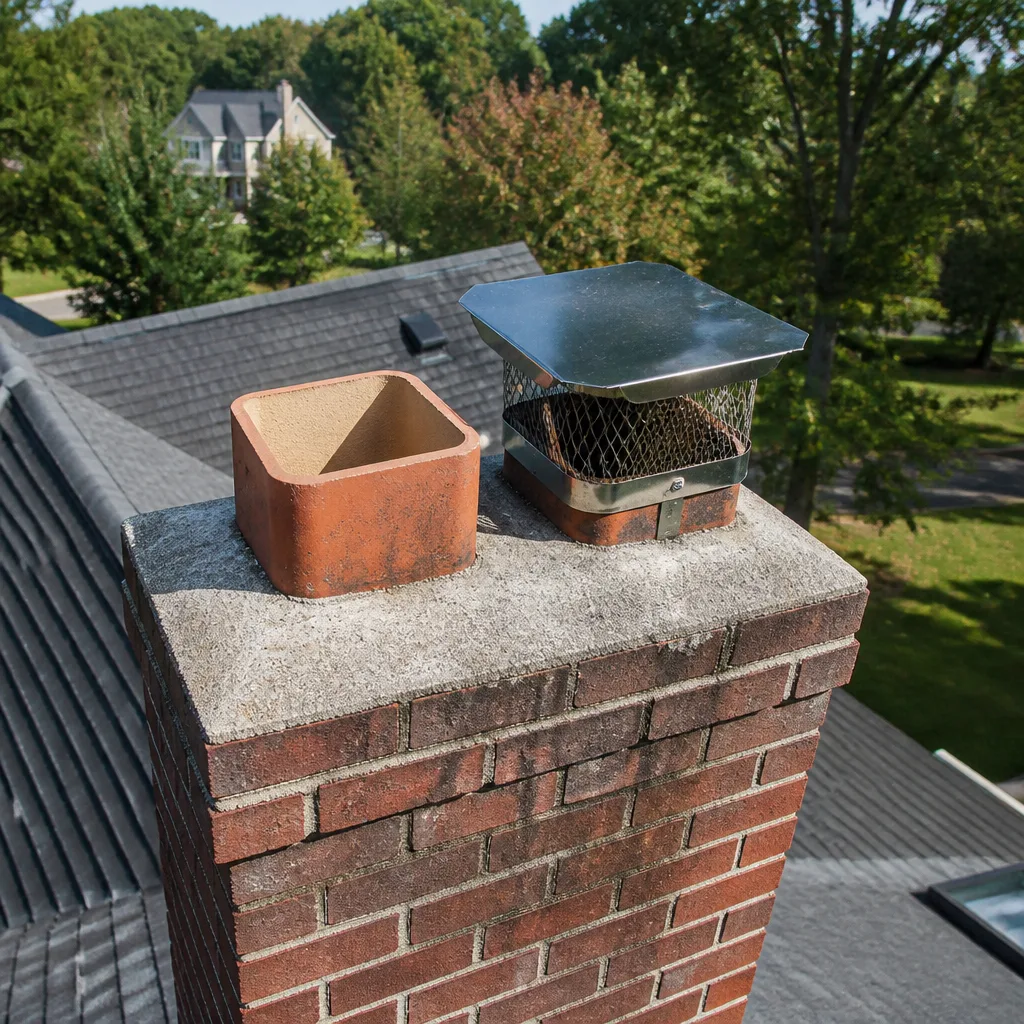
 Caps & crowns
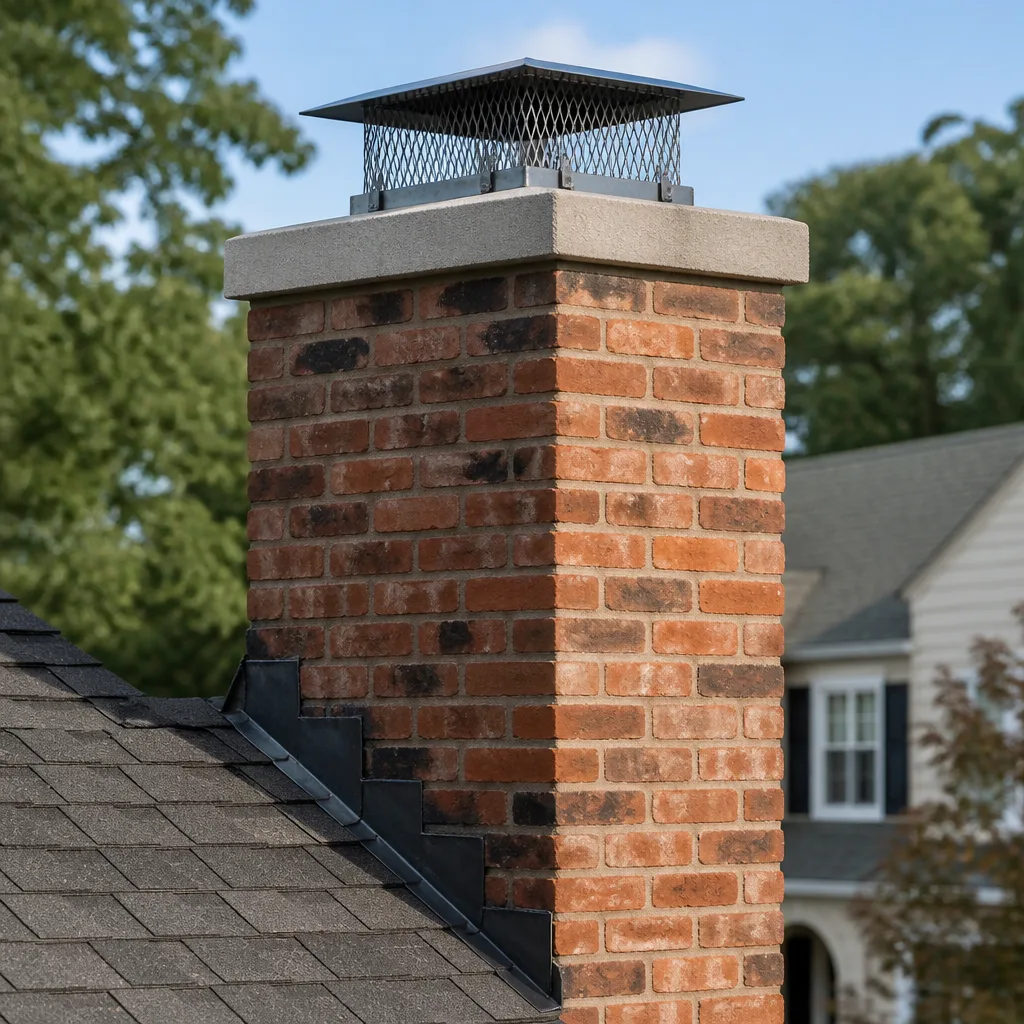
 Flue relining
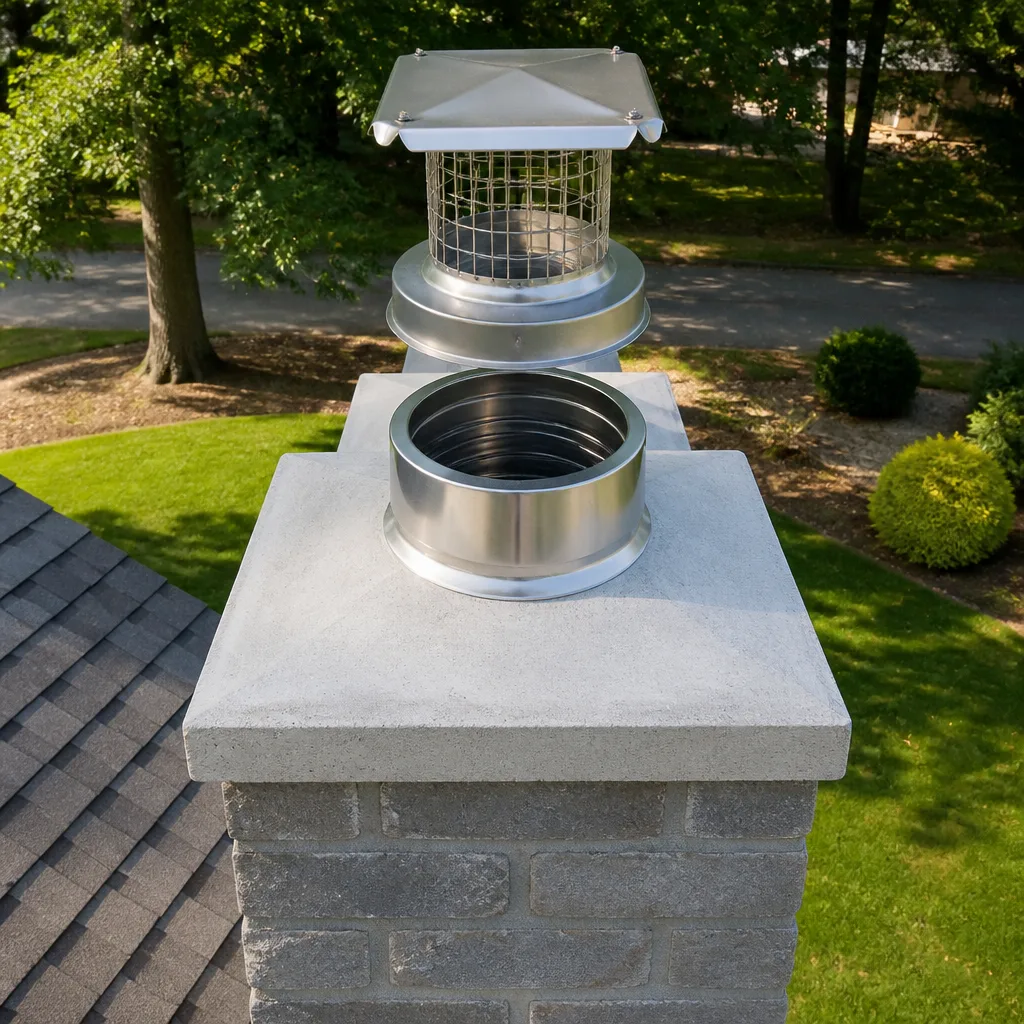
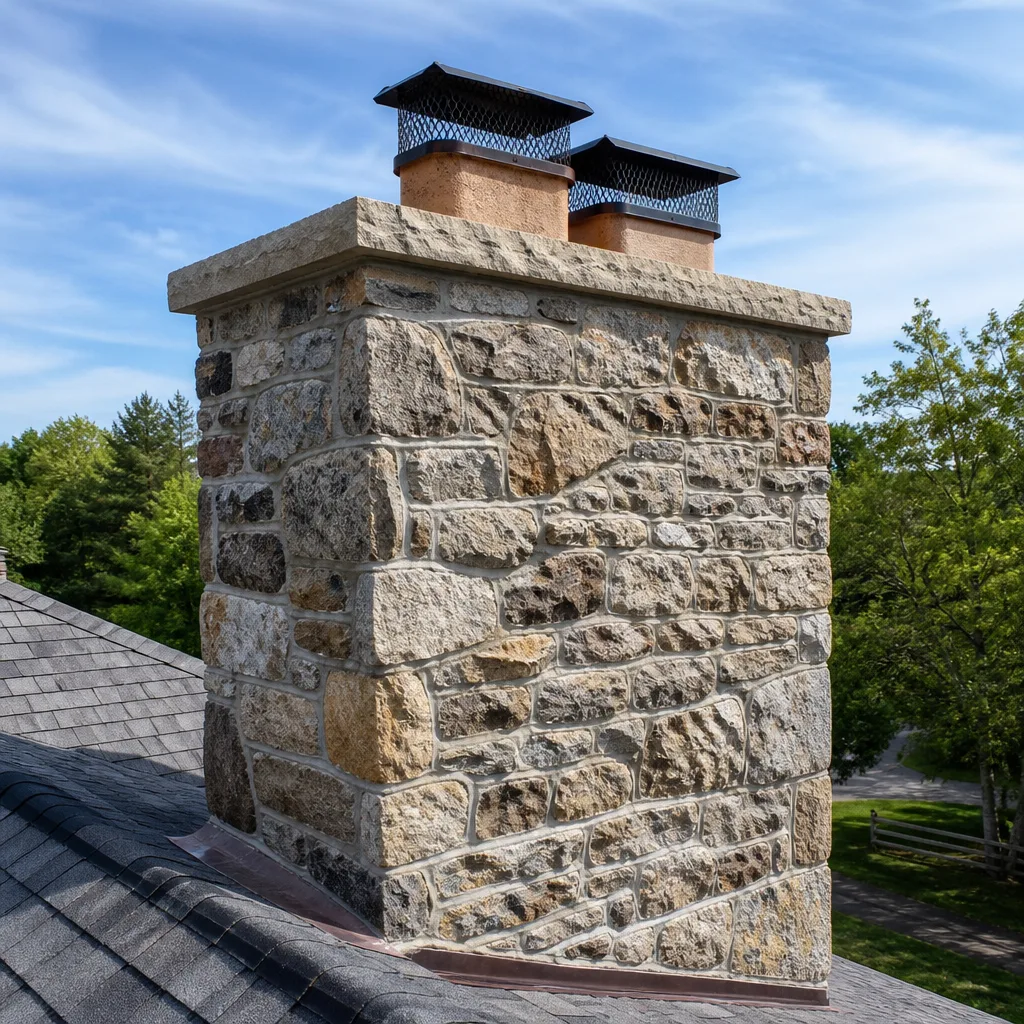 Masonry repair
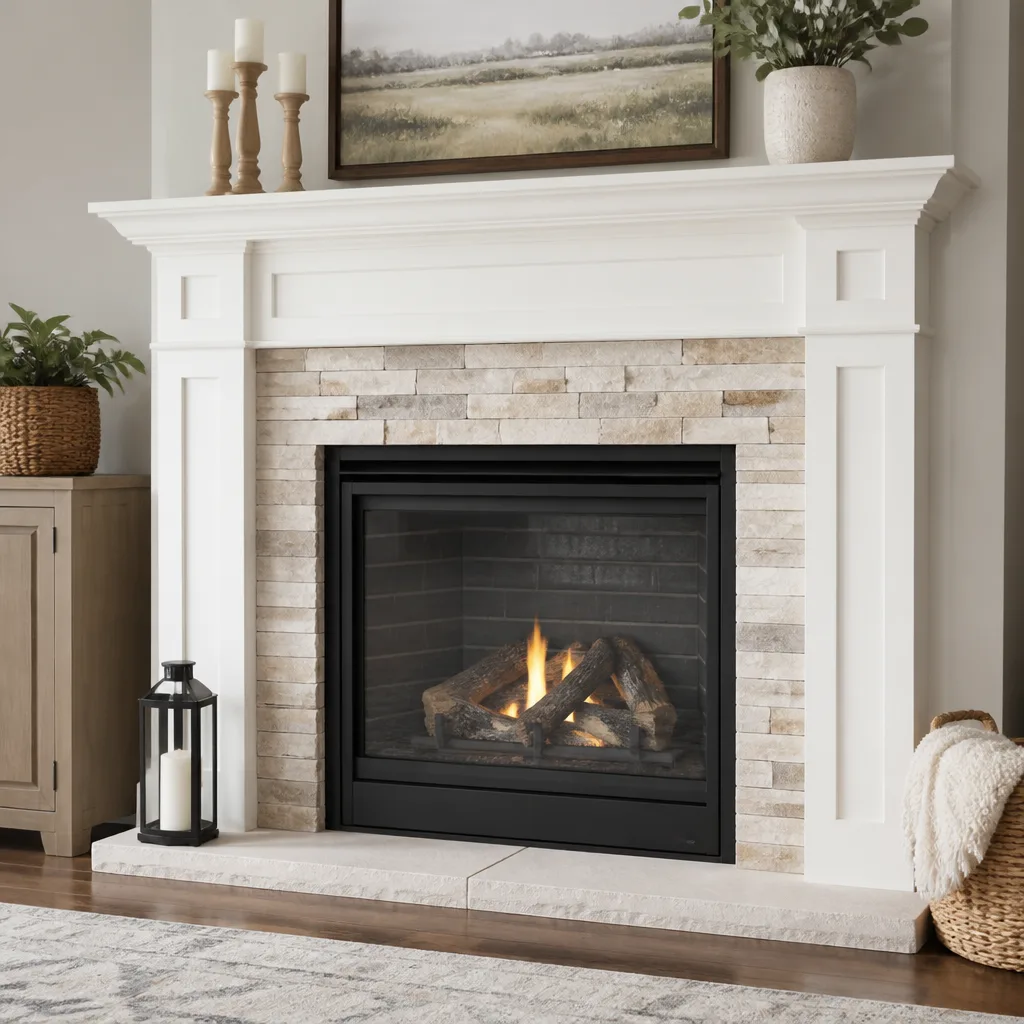 Gas fireplace service
Level 1 sweep and inspection to the NFPA 211 annual standard - flue, crown, cap, and flashing checked and photographed
Chimney sweep logs do not sweep chimneys. They loosen some creosote - which then falls where a brush and vacuum still have to collect it.
Chimney Cleaning Emergency Preparedness Guide for Arden-Arcade Homes
A chimney fire burns at temperatures exceeding 2,000°F. That’s hot enough to warp stainless steel liners and crack terra cotta flue tiles within minutes. The fire itself may be over before you finish dialing 911, but the structural damage it leaves behind makes every subsequent fire a gamble until a professional inspection confirms the system is sound. This guide works backwards from that event. You’ll learn what conditions in Arden-Arcade homes create chimney fires in the first place, what one actually sounds and looks like from inside your living room, and exactly what to do in the hours and days after one occurs.
Quick Answer
Chimney fire preparedness in Arden-Arcade means preventing the creosote buildup that fuels most fires, recognizing the specific sounds and signs of an active chimney fire, evacuating immediately while closing the damper if you can do so safely, and scheduling a Level 2 inspection before using the fireplace again, even if the fire seemed minor. Our Chimney Sweep Maintenance Checklist for Arden-Arcade Homeowners and related services provide the cleaning, inspection, and repair work that makes emergency response a rare event rather than a recurring fear. Call (833) 589-9906 for a free estimate.
Styles & brands we work with
- Sweep & inspection
- Caps & crowns
- Flue relining
- Masonry repair
- Gas fireplace service
Table of Contents
- What a Chimney Fire Actually Sounds and Looks Like From Inside the Home
- Immediate Steps During a Suspected Chimney Fire
- The Creosote Accumulation Thresholds That Precede Most Chimney Fires
- Why a Chimney That Survived a Fire Still Requires a Level 2 Inspection
- Post-Event Documentation for Insurance Claims in Arden-Arcade
- Arden-Arcade Specific Risk Factors: Climate, Fuel, and Construction
- The Parallel Risk: Dryer Vents as a Second Fire Hazard
- A Practical Prevention Protocol for Arden-Arcade Homeowners
What a Chimney Fire Actually Sounds and Looks Like From Inside the Home
Most homeowners expect a chimney fire to be obvious. Flames shooting from the top of the chimney, smoke billowing into the room, maybe a neighbor banging on the door. The reality is more confusing, and that confusion costs time when every second matters.
A chimney fire in its early stages often sounds like a freight train or a low rumble coming from inside the wall or above the fireplace. Some people describe it as a roar similar to a jet engine passing overhead. Others hear popping and crackling that’s louder and sharper than normal wood fire sounds, like snapping twigs amplified through a metal pipe. If you have a masonry chimney, the sound may be muffled, more of a deep thrumming that you feel as much as hear.
Visually, the signs can be startling and easy to misidentify. You may see flames licking from the top of the chimney, but you might also see thick, dark smoke that seems denser and faster-moving than typical fireplace smoke. Inside the home, look for the firebox itself vibrating or a glow that’s too intense for the amount of wood you have burning. Embers shooting from the chimney cap onto the roof or into the yard is another indicator that something is burning inside the flue at high velocity.
In our experience serving Arden-Arcade, homeowners often mistake an early chimney fire for a strong draft or a particularly vigorous fire. The freight-train sound gets attributed to wind, and the intense heat gets rationalized as a well-seasoned oak load burning hot. By the time the unmistakable signs appear, the fire has already done structural damage. That’s why we tell customers to trust the combination of sound, smoke density, and heat intensity as a single signal: if any two of those feel abnormal, treat it as an emergency.
Immediate Steps During a Suspected Chimney Fire
The window between recognizing a chimney fire and needing to be outside the home is measured in seconds, not minutes. Here’s the sequence we train our Arden-Arcade customers to follow.
- Close the damper if you can reach it safely. Cutting off the air supply slows combustion. Do not close the fireplace doors if doing so requires you to get close to intense heat. The damper handle, if it’s cool to the touch and accessible, is worth grabbing. If there’s any doubt, skip this step and move to evacuation.
- Evacuate everyone from the home. Do not collect belongings. Do not search for pets if it delays your exit by more than a few seconds. Get out, close doors behind you to limit air flow, and move to your designated meeting spot.
- Call 911 from outside the home. Tell the dispatcher explicitly: “I have a chimney fire.” Do not say “fireplace fire” or “there’s smoke in the house.” This specific phrasing triggers the appropriate response. Give your Arden-Arcade address clearly and state whether everyone is accounted for.
- Do not attempt to extinguish the fire with water. Water inside a hot flue can cause thermal shock that shatters terra cotta tiles and cracks masonry. More importantly, it can create a burst of steam that forces burning creosote into the living space.
- Stay outside until the fire department clears the scene. Chimney fires can smolder in hidden cavities and reignite minutes after appearing extinguished. The fire department will check for extension into attics, walls, and roof structures.
After the fire department leaves, the next call should be to a chimney professional for a Level 2 inspection. Do not use the fireplace until this inspection is complete, even if the fire department says the fire is out. Their job was to stop combustion. The structural assessment is a separate step.
The Creosote Accumulation Thresholds That Precede Most Chimney Fires
Creosote is the residue left behind when wood smoke condenses on the inside of your flue. It forms in three stages, and understanding the difference between them explains why some chimneys catch fire while others burn safely for decades.
Stage 1 creosote is a fine, flaky soot that brushes away easily during a routine chimney sweep. It’s the normal byproduct of burning well-seasoned hardwood with adequate air flow. A chimney with Stage 1 deposits is not an emergency, but it should be swept before the flakes accumulate into something more dangerous.
Stage 2 creosote is a hardened, tar-like glaze that forms when flue temperatures fluctuate. It appears as shiny black scales or bubbled deposits on the flue walls and resists removal with standard brushes. In Arden-Arcade, where winter burn seasons are short but intense, we see Stage 2 deposits form in as little as one season when homeowners burn unseasoned wood or run fires too cool. Stage 2 creosote is combustible and dense, and it’s the stage where chemical treatment becomes necessary. A sweeper applies a chemical catalyst that breaks down the glaze over a period of days, followed by a second visit to remove the residue.
Stage 3 creosote is the emergency threshold. It’s a thick, hardened layer that can measure an inch or more in depth, often with a glossy, almost glassy surface. At this stage, the creosote itself is the fuel load. The heat from a single hot fire can ignite it, and once burning, it self-sustains at temperatures high enough to damage flue liners and ignite surrounding framing. Chimneys with Stage 3 deposits require chemical removal, often multiple applications, and may need a liner assessment to determine whether the flue can be safely restored to service.
Most homeowners can’t see the upper reaches of their flue from the firebox, which is why annual inspections matter more than annual sweeping alone. A professional can identify Stage 2 deposits before they become Stage 3, and the cost of chemical treatment at Stage 2 is a fraction of the cost of liner repair after a fire.
Why a Chimney That Survived a Fire Still Requires a Level 2 Inspection
The most dangerous sentence a homeowner can say after a chimney fire is “it looks fine.” What you see from the firebox is a tiny fraction of the flue’s total surface area. The damage that matters is often hidden in the upper third of the chimney or inside the liner itself.
A chimney fire subjects the flue to thermal expansion far beyond its design tolerance. Stainless steel liners can warp, buckle, or develop hairline fractures that aren’t visible without a camera. Terra cotta tiles crack under thermal shock, and those cracks open pathways for heat and carbon monoxide to reach combustible framing. Mortar joints crumble. The chimney cap can distort. In masonry chimneys, the fire can also cause the outer brick to spall, where the face of the brick pops off due to trapped moisture flashing to steam.
A Level 2 inspection uses a camera system to examine the entire flue from the firebox to the termination cap. The inspector looks for liner warping, cracked tiles, displaced joints, and creosote that melted and re-hardened into a glass-like glaze during the fire. This inspection also checks the clearances between the chimney and combustible materials, which is critical in Arden-Arcade homes where additions and remodels sometimes enclosed original chimneys in ways that don’t meet Chimney Cleaning Permits, Codes & Inspections in CA: What You Need to Know.
Skipping the Level 2 inspection after a known chimney fire means gambling that your liner survived 2,000°F temperatures intact. Some liners do survive. Many don’t. The inspecton costs a few hundred dollars. A chimney fire that escapes through a compromised liner into your attic can cost you the entire roof structure.
Post-Event Documentation for Insurance Claims in Arden-Arcade
If a chimney fire damages your home, insurance will likely be involved, and the quality of your documentation determines how smoothly the claim goes. Here’s what we tell Arden-Arcade homeowners to collect, starting the day of the fire.
- Photograph everything before anyone moves or cleans anything. Firebox, flue, roof, chimney cap, attic, and the area around the hearth. Wide shots showing context and close-ups showing detail. The insurance adjuster needs to see the original condition.
- Get a written report from the fire department. The incident report establishes the date, the cause, and the response. It’s the foundational document for your claim.
- Schedule a Level 2 inspection immediately. The inspection report becomes the professional assessment of structural damage. Insurance companies take these reports seriously when they come from a qualified chimney professional with documented findings, including camera images from inside the flue.
- Keep all repair records and photographs. If repairs are required, photograph the damage before, during, and after the repair work. Keep invoices, material specifications, and any permits pulled for the work.
- Document your chimney maintenance history. If you’ve had the chimney swept annually, those records demonstrate that the fire wasn’t the result of negligence. Insurance claims move faster when you can show a pattern of responsible maintenance.
In our experience, the homeowners who fare best in insurance claims are the ones who treat documentation as an emergency response task, not an afterthought. The fire department report and the Level 2 inspection report are the two documents that carry the most weight. Get both as quickly as possible.
Arden-Arcade Specific Risk Factors: Climate, Fuel, and Construction
Chimney fires aren’t random. They correlate with specific conditions, and several of those conditions are common in Arden-Arcade homes.
Climate. Sacramento County’s burn season is short and intense. Fireplace use concentrates in a three-to-four-month window, which means chimneys sit dormant for eight or nine months. During that dormant period, creosote that wasn’t fully removed during the last sweep hardens further. When the first cold snap hits, homeowners light fires without re-inspecting the flue, and that hardened creosote from last year’s fires is exactly what ignites.
Fuel. Arden-Arcade has a mix of older homes with established oak trees and newer subdivisions. Homeowners with yard trees often burn pruned branches, and unseasoned wood is the single biggest driver of Stage 2 and Stage 3 creosote formation. Oak needs a full year to season properly. Fresh-cut oak burned in December produces heavy, wet smoke that condenses rapidly on flue walls.
Construction. Many Arden-Arcade homes were built between the 1950s and 1980s. Chimneys from this era used terra cotta liners, which are now at or beyond their expected service life. A 60-year-old terra cotta liner has been through decades of thermal cycling, and the mortar joints between tiles have likely degraded. Even a routine chimney fire that would be minor in a newer home can devastate an aging terra cotta system.
These factors don’t mean Arden-Arcade homeowners should avoid using their fireplaces. They mean preparation matters more here than in climates where fireplaces run continuously through a long winter. The risk compounds during the dormant season, and the first fires of fall are where we see the most emergency calls.
The Parallel Risk: Dryer Vents as a Second Fire Hazard
If you’re thinking about chimney fire prevention, you’re also thinking about the other fire hazard in your home that most people ignore: the dryer vent. The U.S. Fire Administration reports that dryer fires cause an estimated $35 million in property damage annually, and the leading cause is failure to clean the vent.
Dryer vents accumulate lint the same way chimneys accumulate creosote. Lint is highly combustible, and when it builds up in the vent line, it restricts air flow. The dryer runs hotter, the lint gets hotter, and eventually it ignites. The signs of a clogged dryer vent are consistent: clothes take longer to dry, the dryer feels hot to the touch, and there’s a burning smell in the laundry room.
Chimney Sweep Arden-Arcade handles both systems, which is the reason we can offer dryer vent cleaning in Arden-Arcade and chimney sweeping in one visit. Two fire hazards, one call. Most chimney companies refer dryer vent work to another contractor, which means homeowners have to schedule twice and wait longer. We’d rather handle both while we’re already at your home, and our customers in Arden-Arcade seem to prefer it that way too.
A Practical Prevention Protocol for Arden-Arcade Homeowners
Prevention is cheaper than emergency response by an order of magnitude. Here’s the protocol we recommend to every Arden-Arcade homeowner with a fireplace.
- Schedule an annual sweep and inspection before burn season. In Arden-Arcade, that means September or October, before the first cold snap. The sweep removes Stage 1 creosote before it hardens, and the inspection catches problems while they’re still small.
- Burn only seasoned hardwood. Wood should be split, stacked, and dried for at least 12 months before burning. If you can see moisture beading from the end grain when you hold a match to it, it’s not ready. Unseasoned wood is the direct path to Stage 2 creosote.
- Avoid slow, smoldering fires. A fire with inadequate air flow produces cooler smoke and more creosote. Burn hot, clean fires with the damper fully open. If you have glass doors, keep them open during active burning and close them only when the fire has died to coals.
- Install a chimney cap. A cap keeps rain, birds, and debris out of the flue. Rain mixed with creosote accelerates flue tile deterioration. Birds build nests that block air flow and create a fire hazard. A properly installed cap solves all three problems.
- Never burn trash, wrapping paper, or cardboard. These materials burn at high temperatures and can float burning embers up the flue. Wrapping paper in particular ignites quickly and burns hot enough to ignite creosote deposits.
- Have your chimney inspected after any unusual event. A chimney fire, a lightning strike, an earthquake, or a roof replacement all warrant an inspection. The cost of an inspection is minor compared to the cost of discovering damage the hard way.
This protocol is the difference between a chimney that lasts 50 years and one that fails catastrophically at year 15. The homeowners who follow it rarely call us for emergencies. They call us for maintenance, and that’s exactly the call we prefer to take – find more guides & resources on keeping your chimney safe year-round.
Common Mistakes to Avoid
- Closing the damper during an active fire and then reopening it. Closing the damper cuts off air flow and slows combustion, but reopening it after the fire is out can introduce oxygen to smoldering creosote and trigger a secondary flare-up. Leave the damper closed until a professional inspects the chimney.
- Pulling the fire into the firebox with water. We covered this above, but it bears repeating: water in a hot flue causes thermal shock and can turn a contained chimney fire into a house fire by forcing burning material into living spaces.
- Using the fireplace the next day because “it seemed like a small fire.” The fire department extinguished the active burning. They did not inspect your flue for structural damage. Every chimney fire warrants a Level 2 inspection before reuse, no exceptions.
- Ignoring the warning signs that precede most fires. Smoke backing into the room, a strong odor from the fireplace even when not in use, or a visible dark glaze on the flue walls are all signs that creosote has reached dangerous levels. These symptoms don’t go away on their own.
- Hiring a handyman to “clean out” the chimney after a fire. Post-fire assessment requires specialized camera equipment and knowledge of liner systems. A brush-and-vacuum job by a generalist tells you nothing about whether your liner survived. We’ve seen Arden-Arcade homeowners spend money on a “cleaning” that left them with a structurally compromised flue and a false sense of safety.
- Burning pine or other softwoods because they’re cheap and available. Softwoods burn hot and fast but produce heavy sap and resin that condenses as Stage 2 creosote faster than almost anything else. The savings on firewood disappear the first time you pay for chemical creosote treatment.
See the difference
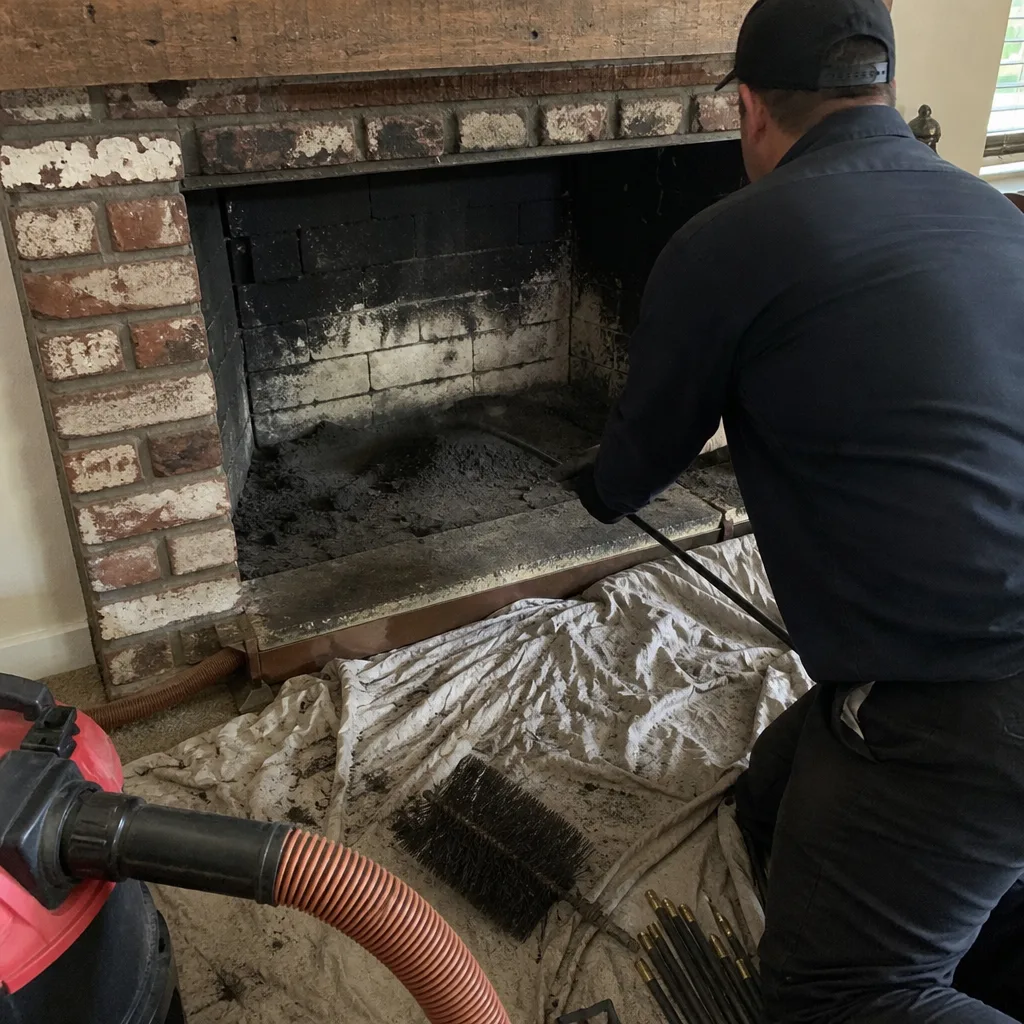 Before
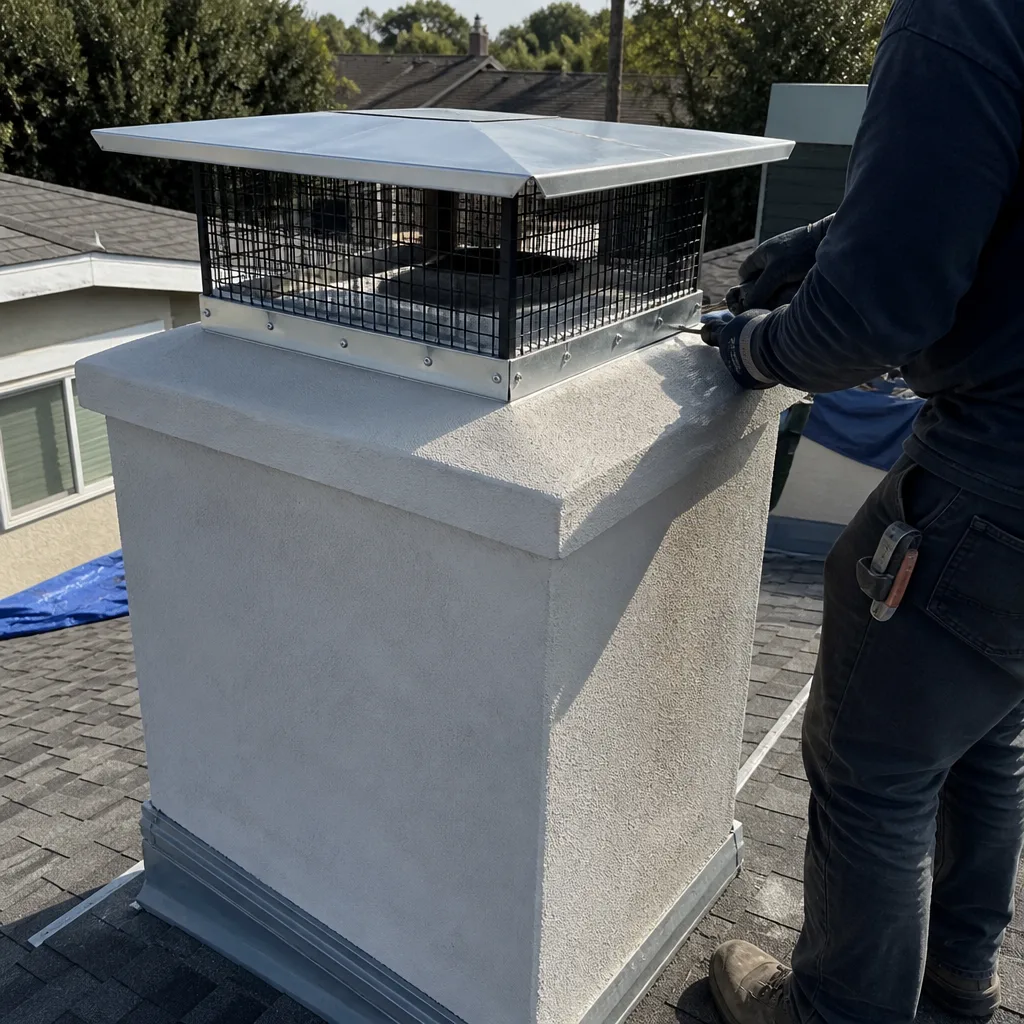 After
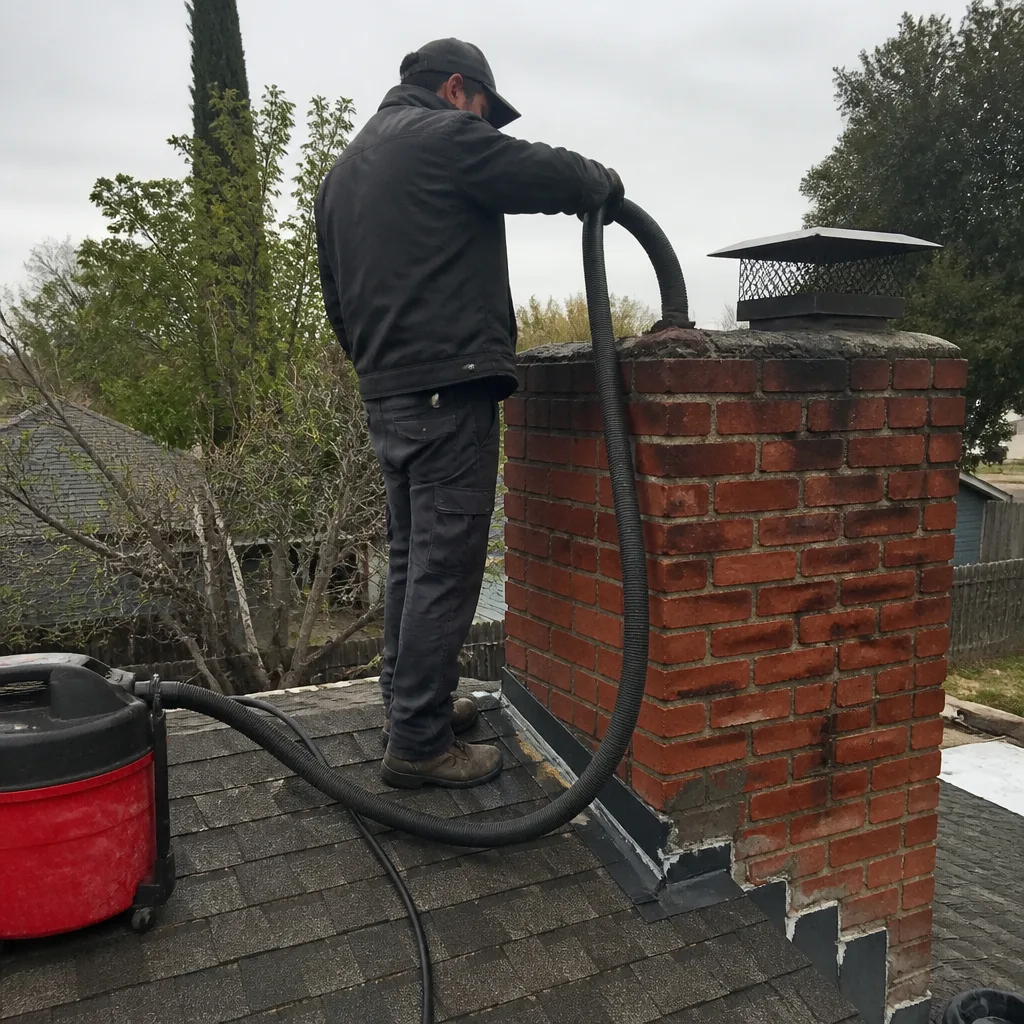 Before
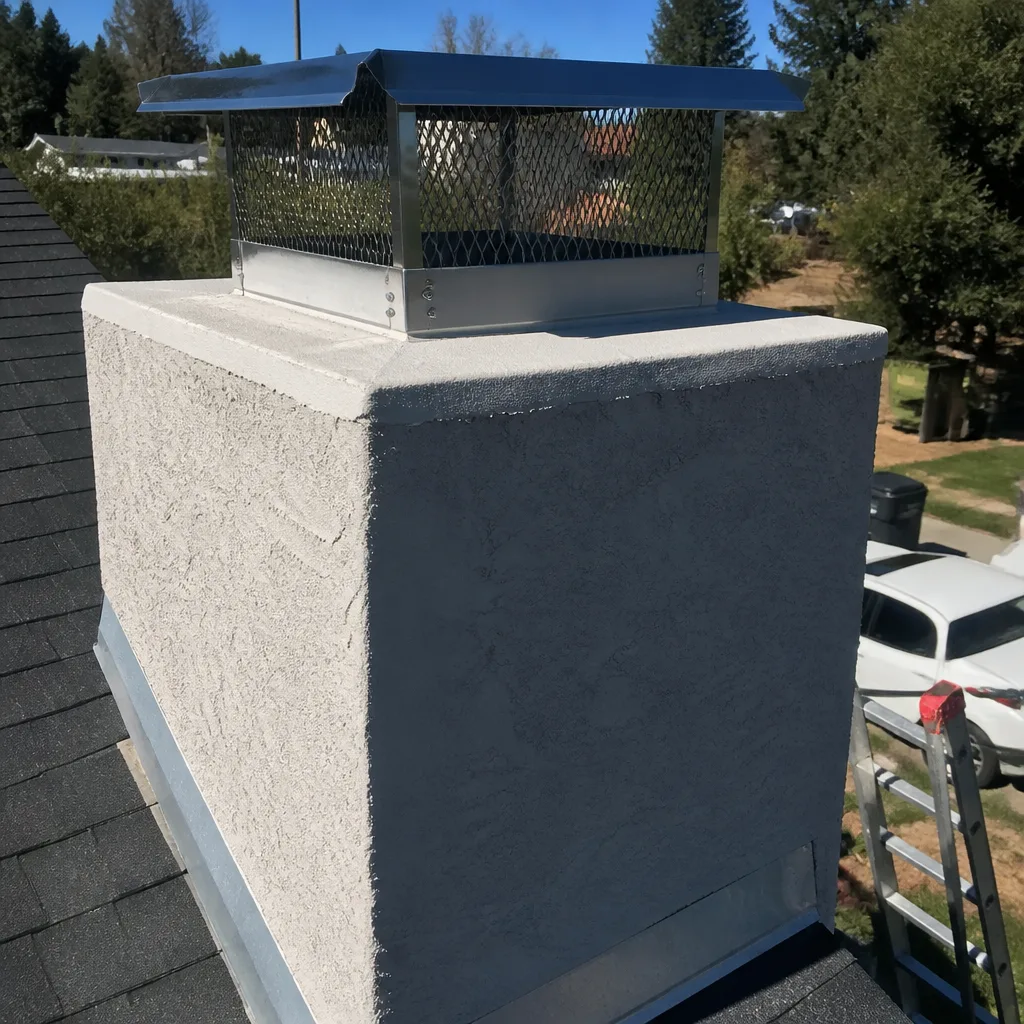 After
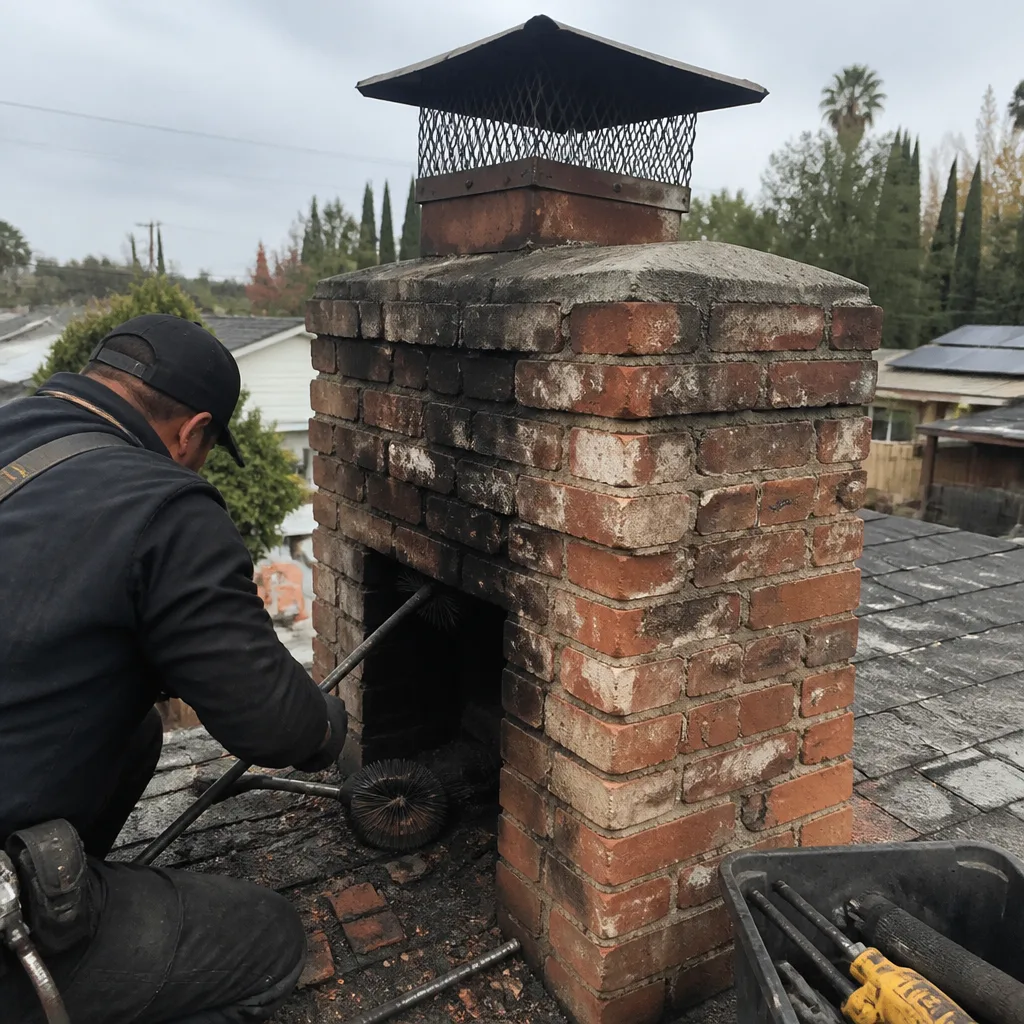 Before
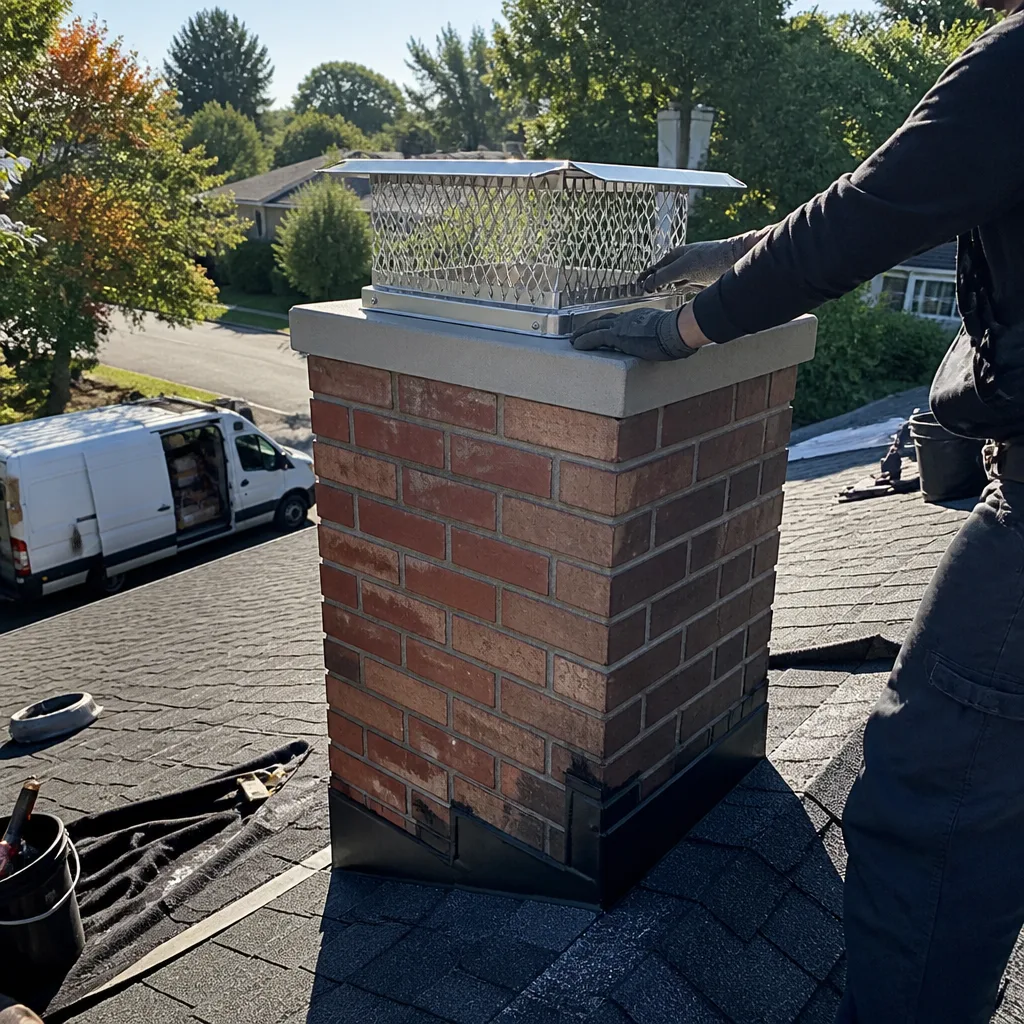 After
When to Call a Professional
Call a chimney professional if you’ve experienced a chimney fire of any size, if you see signs of Stage 2 or Stage 3 creosote, if smoke backs into your living space during normal use, or if you haven’t had your chimney inspected in the past 12 months. Call immediately if you smell a strong creosote odor when the fireplace isn’t in use, as that indicates accumulated deposits warming from ambient heat. Call your local Chimney Sweep Arden-Arcade home team if you’re unsure whether what you’re seeing is normal. Chimney Sweep Arden-Arcade offers free estimates in Arden-Arcade, call (833) 589-9906. We inspect, we show you what we find, and if a repair is possible, we do it with materials from DuraFlex, HeatShield, and other professional-grade lines. Found during your sweep, fixed the same visit.
Frequently Asked Questions
A standard chimney sweep in Arden-Arcade typically runs between $150 and $300, depending on the chimney’s height, accessibility, and creosote condition. If Stage 2 or Stage 3 creosote is present, chemical treatment adds to the cost. Call (833) 589-9906 for an exact quote. Estimates are free.
A wood-burning fireplace should be swept at least once per year, and more often if you burn more than two cords of wood per season or burn unseasoned wood. Gas fireplaces need less frequent sweeping but still require annual inspection for vent blockages and carbon monoxide safety.
Not necessarily. Many liners survive chimney fires intact, and the only way to know is through a Level 2 camera inspection. If the liner shows warping, cracking, or separated joints, replacement or resurfacing with a HeatShield system may be necessary. We don’t recommend liner work unless the camera evidence shows it’s needed.
During an active fire, you may smell a hot, acrid odor similar to burning tar. After the fire is extinguished, the smell often lingers as a sharp, chemical-like creosote odor that intensifies when the weather is warm or humid. A persistent creosote smell weeks after a fire is a sign of significant deposits remaining in the flue.
No. Gas fireplace vents and wood-burning flues share the same structural components, and a chimney fire affects the entire system regardless of which fuel caused it. Wait for a Level 2 inspection to clear the chimney for any use, gas or wood.
Most homeowners policies in California cover chimney fire damage, but the claim outcome depends on documented maintenance history. If you can show annual sweep records, the claim usually proceeds smoothly. Without them, insurers may argue negligence. Documentation matters as much as the fire itself.
The Bottom Line
Chimney fires in Arden-Arcade are almost always preventable, and the prevention is straightforward: annual sweeps, seasoned firewood, and an inspection before burn season. When a fire does occur, the response matters more than most people realize. Close the damper if safe, evacuate immediately, and get a Level 2 inspection before using the fireplace again, no matter how minor the fire seemed. The chimney that “survived” a fire without visible damage is the one that fails on the next use. If you own a home in Arden-Arcade with a fireplace, the most important call you can make this season is to schedule a chimney sweep in Arden-Arcade. The second call, if needed, is for chimney repair in Arden-Arcade. Both are available from one team, with one phone call: (833) 589-9906.
Written by the team at Chimney Sweep Arden-Arcade, serving Arden-Arcade since 2017.