
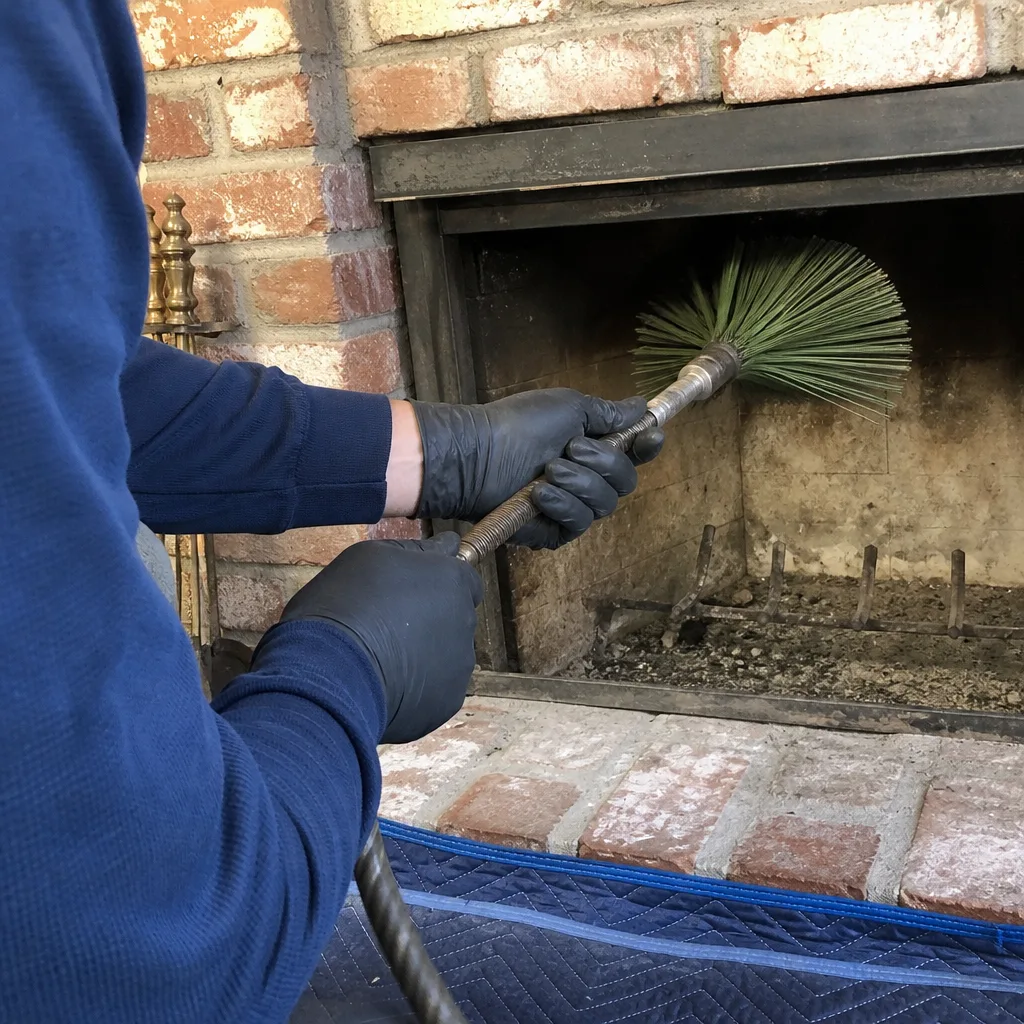
Last updated November 2, 2026
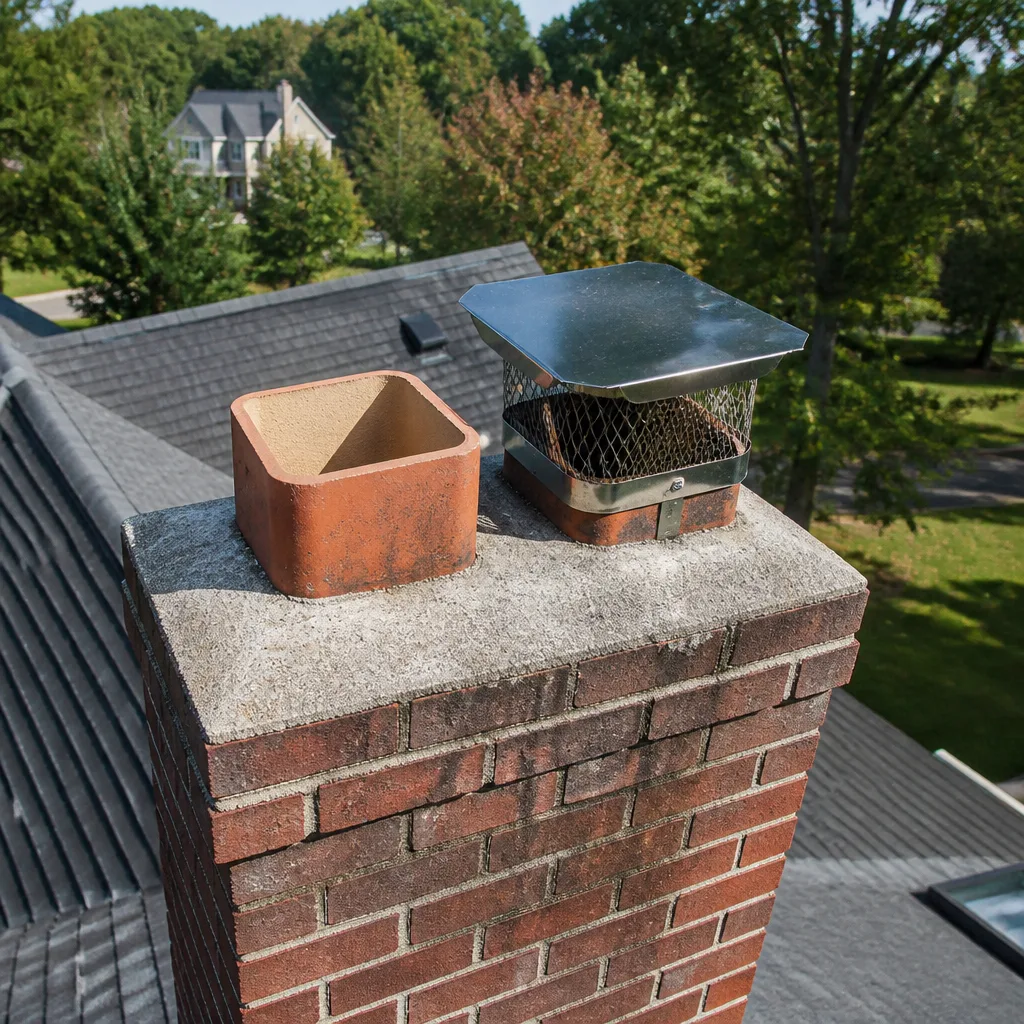 Sweep & inspection
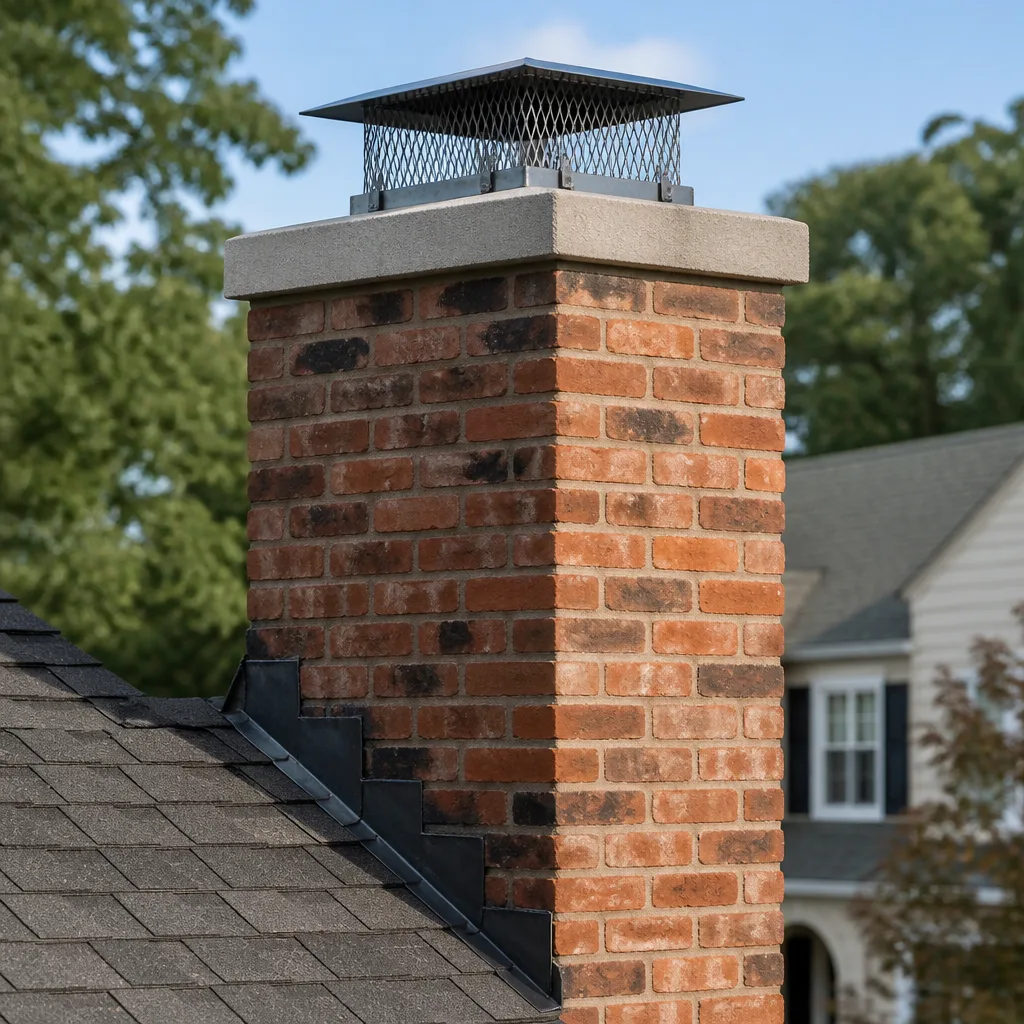 Caps & crowns
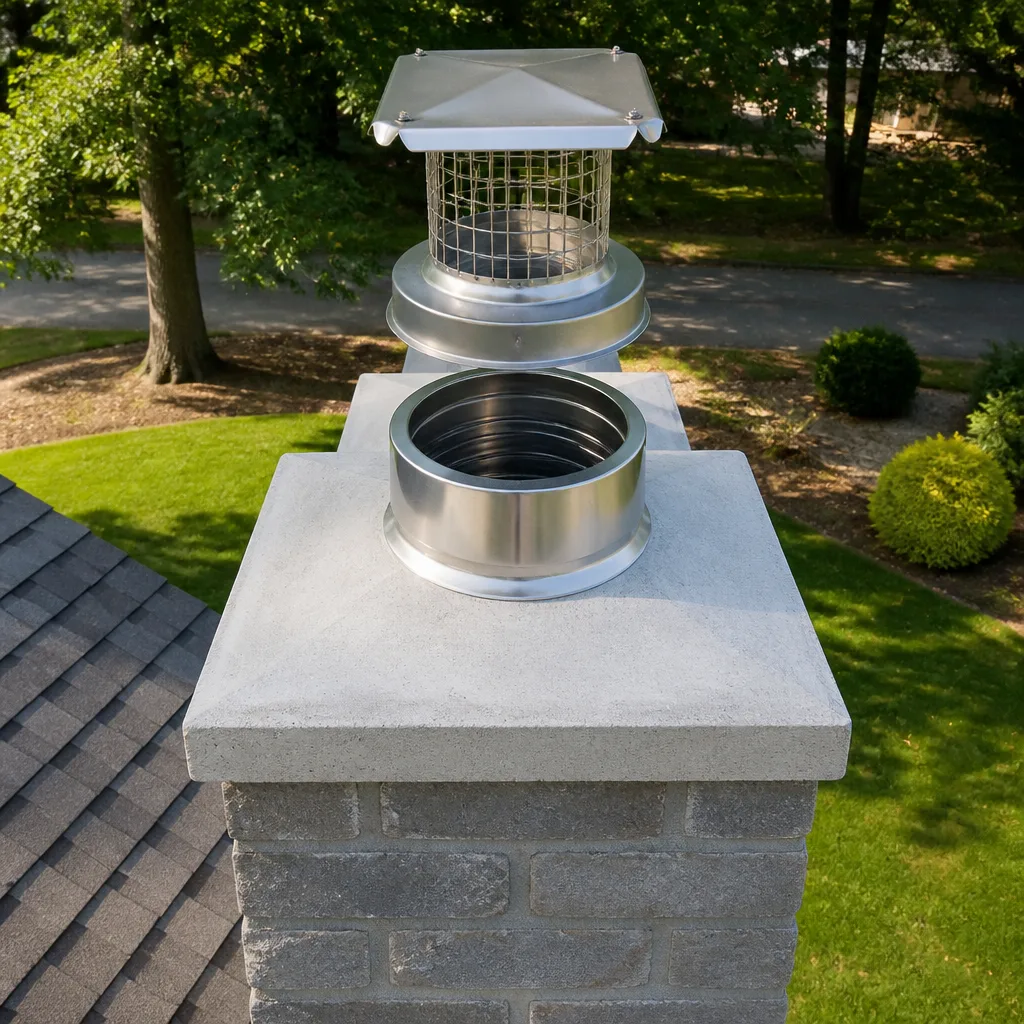 Flue relining
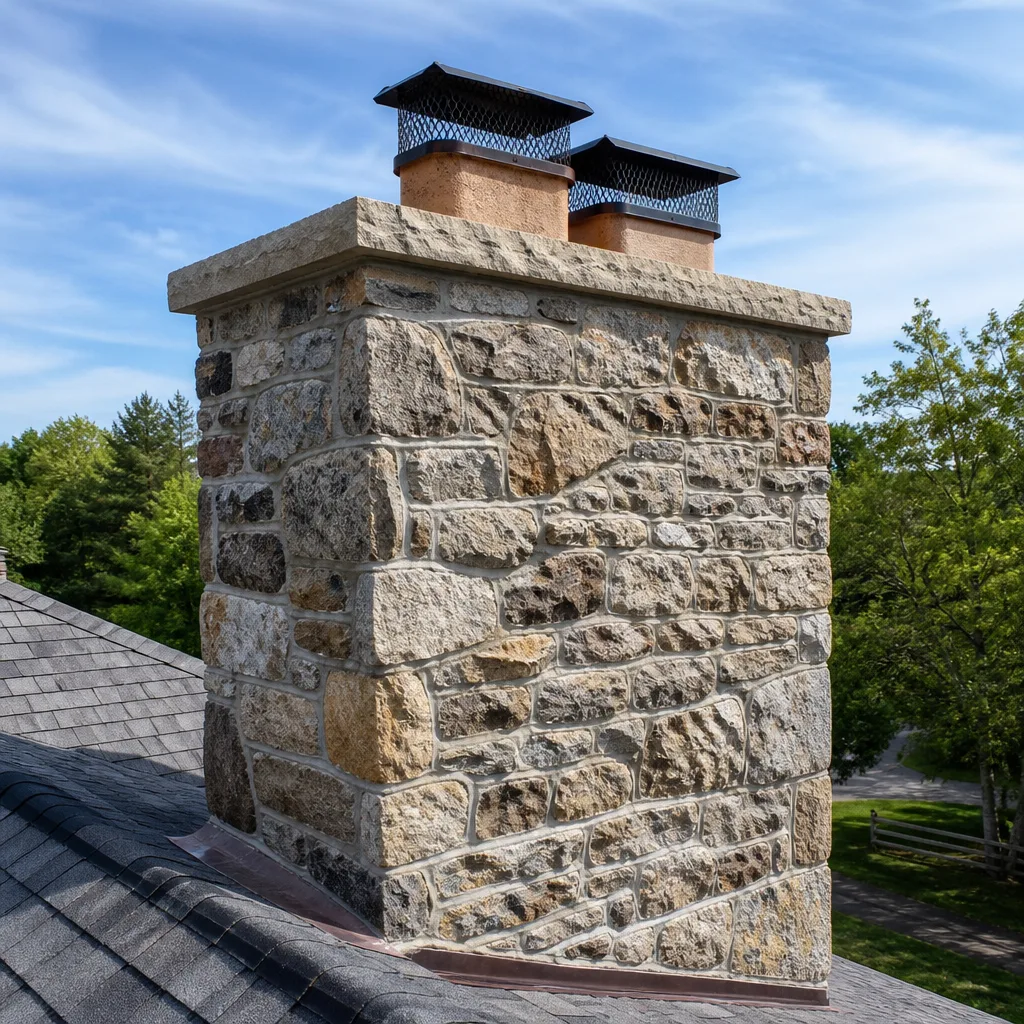 Masonry repair
 Gas fireplace service
Level 1 sweep and inspection to the NFPA 211 annual standard - flue, crown, cap, and flashing checked and photographed
Chimney sweep logs do not sweep chimneys. They loosen some creosote - which then falls where a brush and vacuum still have to collect it.
Chimney Cleaning Permits, Codes & Inspections in CA: What You Need to Know
A stainless steel liner installed without a Sacramento County permit isn’t just a bureaucratic oversight. It’s a material fact that must be disclosed during a home sale, and it can void your homeowner’s insurance coverage on any related fire claim. Most Arden-Arcade homeowners don’t realize that the line between “routine maintenance” and “permitted alteration” sits right at the point where a sweep becomes a repair. In this guide, we’ll walk through exactly where California draws that line, how Sacramento County interprets it, and what documentation you need to protect yourself, your home, and your ability to sell it later. For Chimney Cleaning Warning Signs: An Arden-Arcade Homeowner’s Reference Guide and other resources, see our blog. We’ve worked on thousands of Arden-Arcade chimneys, and most of what we explain here never comes up until it’s already too late.
Quick Answer
A standard chimney cleaning and inspection in California requires no permit, and neither does a routine sweeping or Level 1 inspection. Permits become necessary when you move beyond cleaning into structural alterations: liner replacement, firebox rebuilding, flue resurfacing, or installing a new appliance that changes venting requirements. In Sacramento County, chimney liner replacement specifically triggers the building permit process through the county’s Building Permits and Inspection Division, and the work must pass a final inspection to be legal.
Styles & brands we work with
- Sweep & inspection
- Caps & crowns
- Flue relining
- Masonry repair
- Gas fireplace service
Table of Contents
- Maintenance vs. Alteration: Where California Draws the Line
- How Sacramento County Treats Chimney Liner Replacement
- CARB Wood-Burning Curtailment Rules: What They Mean for Your Fireplace
- Level 2 Inspections: When California Requires Them and Why
- How Permits Protect You in Insurance Claims and Resale
- Common Mistakes to Avoid
- When to Call a Professional
- Frequently Asked Questions
Maintenance vs. Alteration: Where California Draws the Line
California Building Code (CBC) Chapter 1, Section 105 lists the types of work that require a permit. A standard chimney sweep is not on that list. Cleaning out creosote, removing soot from the smoke chamber, and even scraping minor surface rust from a damper assembly fall under routine maintenance, the same way changing your furnace filter does. No permit, no inspection, no paper trail required.
The line gets crossed when the work changes the chimney’s structure, material composition, or function. California Residential Code (CRC) Section R1001 through R1006 governs masonry chimneys, factory-built chimneys, and venting systems. Here’s how that breaks down in practice:
- No permit needed: Chimney sweeping, creosote removal, Level 1 or Level 2 camera inspection, damper lubrication or minor adjustment, cap cleaning, minor mortar joint repointing (cosmetic, under 10 square feet), smoke chamber parging if it does not alter dimensions.
- Permit required: Stainless steel liner installation or replacement, flue resurfacing that changes the flue’s cross-sectional area, firebox rebuild, smoke chamber reconstruction, crown replacement that involves removing and recasting concrete, installation of a new fireplace insert or wood stove that changes venting configuration, and any repair that alters the chimney’s structural load path.
Why the distinction matters in Arden-Arcade specifically: we have a housing stock heavy with 1960s and 1970s masonry chimneys. Those chimneys are now hitting the age where original clay tile liners are cracking. A cracked liner can’t legally be repaired by smearing refractory cement over the gap; that’s a code violation because the flue’s combustion resistance is compromised. The correct fix is either a HeatShield resurfacing job or a full DuraFlex stainless liner replacement, and both fall on the permit side of the line.
How Sacramento County Treats Chimney Liner Replacement
The Authority Having Jurisdiction (AHJ) for Arden-Arcade is Sacramento County’s Building Permits and Inspection Division. They interpret the California Residential Code conservatively. A stainless steel liner replacement, whether rigid or flexible, is a “re-roof and re-line” category alteration, and it needs a building permit before work starts.
What that process looks like in practice, based on what we see from Arden-Arcade homeowners every season, is outlined in our Chimney Sweep Maintenance Checklist for Arden-Arcade Homeowners:
- Pull the permit: A contractor registered with Sacramento County files the permit application. The homeowner can self-pull, but the county will ask for a scope of work description and, for liner replacement, a product listing sheet.
- Installation to listing: The liner system must be UL-listed and installed per manufacturer instructions. That’s why we use DuraFlex systems; the listing documentation is clear, which makes the inspection pass faster. Homeowners who buy unlisted liner kits from big-box stores typically hit inspection snags.
- Rough inspection: The county inspector confirms the liner is in place, properly connected at the appliance collar, and terminates correctly at the cap before any cosmetic work covers it.
- Final inspection: Inspector verifies clearances, damper function, and that the chimney cap meets spark arrestor requirements for wildfire zone standards.
- Permit closure: The permit is signed off and becomes part of the property’s permanent building record with Sacramento County.
An unpermitted liner in Arden-Arcade is more common than anyone in the industry likes to admit. We’ve pulled liners out where the previous installer clearly used a competitive-quality product with no listed brand, no inspection sticker, and no county record. Our Chimney Sweep Troubleshooting: Common Problems and How to Fix Them covers how to spot these issues early. The homeowner didn’t know the difference until they tried to sell the house, and the buyer’s home inspector flagged the chimney as uninspectable. That’s the scenario that turns a $2,500 liner job into a $6,000 emergency repair plus a re-permit.
CARB Wood-Burning Curtailment Rules: What They Mean for Your Fireplace
California Air Resources Board (CARB) Rule 4901 regulates wood-burning devices statewide, and it applies to Arden-Arcade regardless of whether you’re in the county’s enforcement zone on any given winter day. The rule has two essential parts for homeowners:
Curtailment days: During Stage 1 or Stage 2 air quality alerts, typically from November through February, Sacramento County issues “no burn” or “burn only EPA-certified device” restrictions. On those days, you cannot legally use an open-hearth fireplace. Your chimney cleaning company cannot force you to comply, but a good sweep will note flue conditions that suggest you’ve been burning on curtailment days, and more importantly, they’ll confirm your fireplace is actually an EPA-certified device or not, because that determines your legal right to burn at all during the restricted season.
What this means during a sweep: We don’t report curtailment violations; that’s not our job and we’re not the air police. But we do note on our inspection documentation when a fireplace lacks an EPA certification, because that information matters when a county environmental health officer asks. Arden-Arcade sees enough Stage 1 alerts during inversion season that an uncertified fireplace becomes a practical liability, not just an environmental technicality.
For homeowners replacing a wood-burning appliance, CARB now requires that any new installation be an EPA-certified device. That installation crosses the permit threshold we outlined earlier, because it changes venting configuration and requires a final inspection to confirm the device is properly connected. A sweep company that only cleans won’t flag this for you. A company that does chimney repair in Arden-Arcade will, because we see the connection between what the state requires and what your flue can actually accommodate.
Level 2 Inspections: When California Requires Them and Why
A Level 2 chimney inspection is the documentation-heavy evaluation of the National Fire Protection Association (NFPA) 211 standard, which California has adopted as the reference for chimney and venting work. It involves everything a Level 1 sweep covers, plus a camera scan of the flue interior, an evaluation of the chimney exterior and attic pass-through, and a written report with photo documentation.
California triggers Level 2 inspections in four specific situations:
- Property transfer: When a home in Arden-Arcade is sold, the buyer’s inspection contingency typically includes a chimney condition report. A Level 2 is the recognized standard. If the seller can’t produce one, the buyer can demand it, and the cost gets negotiated into the transaction.
- System change: If you’re changing fuel type, appliance type, or relining, the AHJ often requires a Level 2 report as part of the permit application. Sacramento County doesn’t always ask, but it’s the accepted professional standard, and if a dispute arises, it’s the document that holds up.
- Operational malfunction or external event: A chimney fire, a lightning strike, an earthquake tremor (Arden-Arcade sits close enough to the Folsom Dam seismic zone that this isn’t hypothetical), or any event that may have damaged the flue requires a Level 2 before you use the fireplace again.
- After an extended period of disuse: We tell Arden-Arcade homeowners who haven’t burned in 10 or 15 years to treat the fireplace as a new installation. Fifty years of Sacramento Valley weather on an unused chimney creates hidden damage that a visual sweep won’t reveal.
The Level 2 report from an Arden-Arcade technician matters because it either becomes the basis for a permit application or the evidence that no permit is needed. When we write a Level 2 for a property transfer and the flue is clean and structurally sound, that report goes into the transaction file, and no county permitting is triggered. When the Level 2 reveals a cracked clay liner, that finding creates an obligation, because the seller now has documented knowledge of a material defect. This is why we recommend homeowners get a Level 2 before listing a house, not after the buyer’s inspector finds something and the negotiation leverage shifts.
How Permits Protect You in Insurance Claims and Resale
The insurance implications of unpermitted chimney work in California are well-documented in case law. When you file a claim for fire damage, your insurer’s adjuster will pull the building record on your address. If a stainless steel liner was installed without a permit, and the fire originated in the fireplace or flue system, the insurer has a basis to deny coverage on the grounds that the home was altered without required inspection. This is not a hypothetical risk; it’s standard adjuster practice in Sacramento County.
The resale side works similarly. California Civil Code Section 1102 requires sellers to disclose all known material facts affecting the property’s value or desirability. An unpermitted liner installation is a material fact. If you installed it and didn’t disclose it, the buyer can pursue damages after the sale. If you bought the house with an unpermitted liner and try to sell without disclosure, you inherit that legal liability, because your purchase inspection should have flagged it.
The fix is straightforward: pull the permit retroactively. Sacramento County processes “as-built” permits for completed work, and while the inspection process is more involved (the county may require selective demolition to expose the liner for inspection), it’s a known process. We’ve helped Arden-Arcade homeowners through this with chimney sweeping in Arden-Arcade that documents what’s actually in the flue, followed by the county inspection, and the permit closes cleanly. The cost of the permit and the inspection is trivial compared to the insurance and resale exposure of leaving it undocumented.
One more layer that’s easy to overlook: when we install a brand-listed liner like DuraFlex or resurface with a HeatShield system, the manufacturer’s listing documentation becomes part of the permit record. That’s a permanent, inspectable trail. A generic liner from a supply house has no such listing, and the county may reject it outright when the permit was never pulled. The brand isn’t marketing flair; it’s the difference between a chimney the county can verify and one that exists in a documentation gray zone.
See the difference
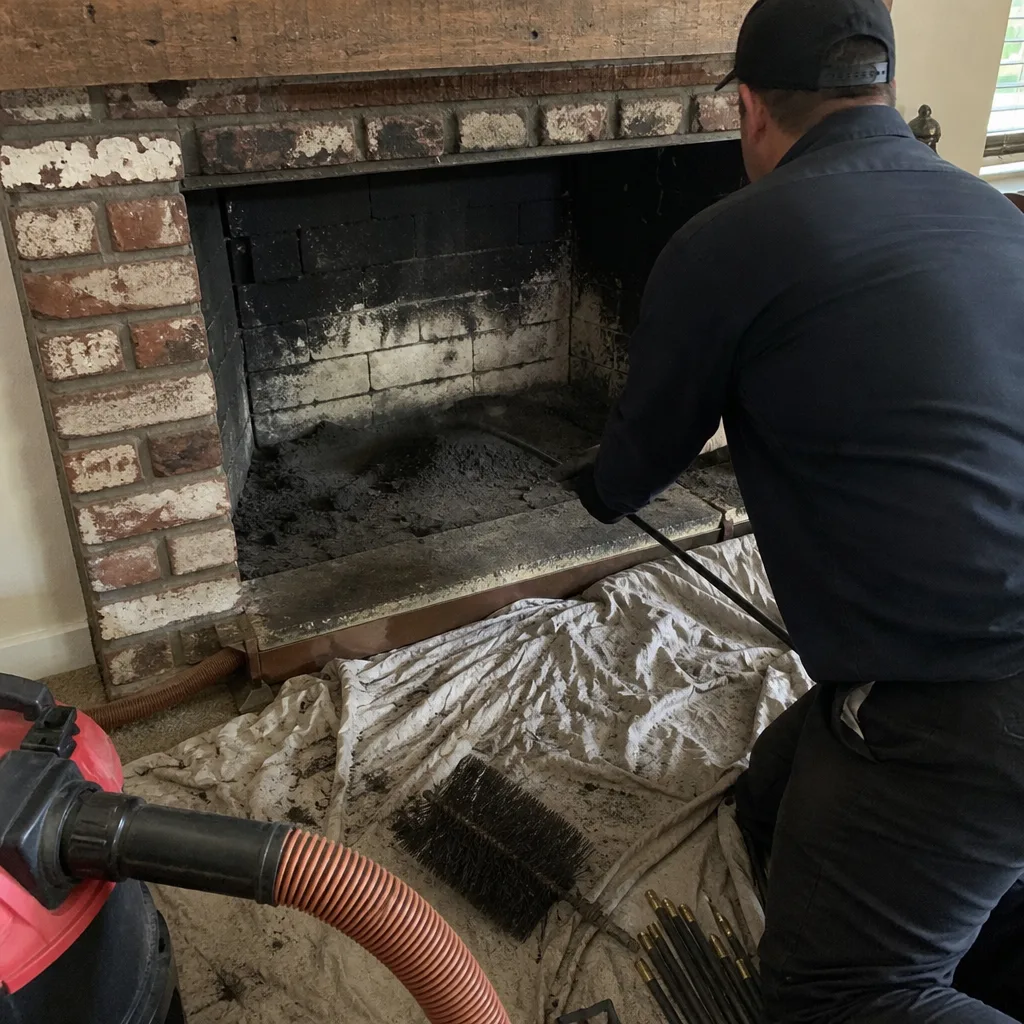 Before
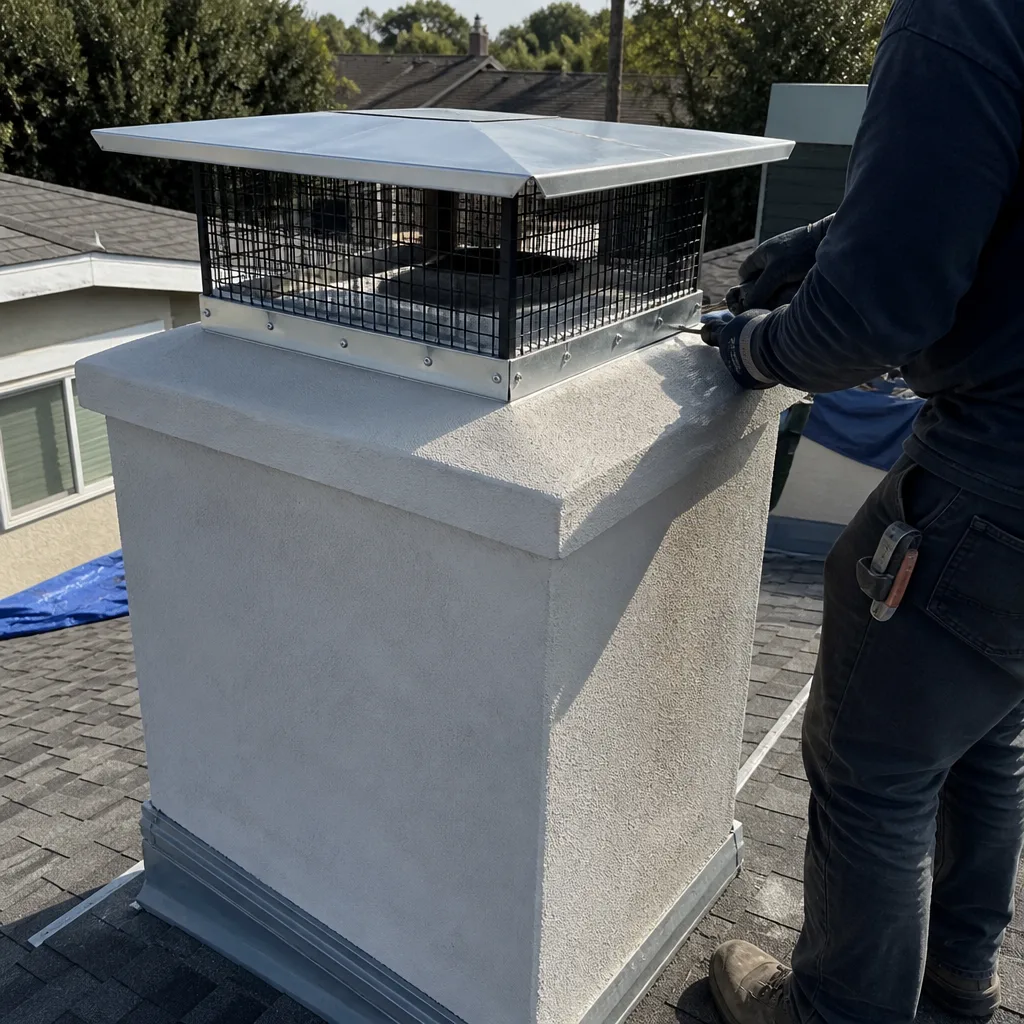 After
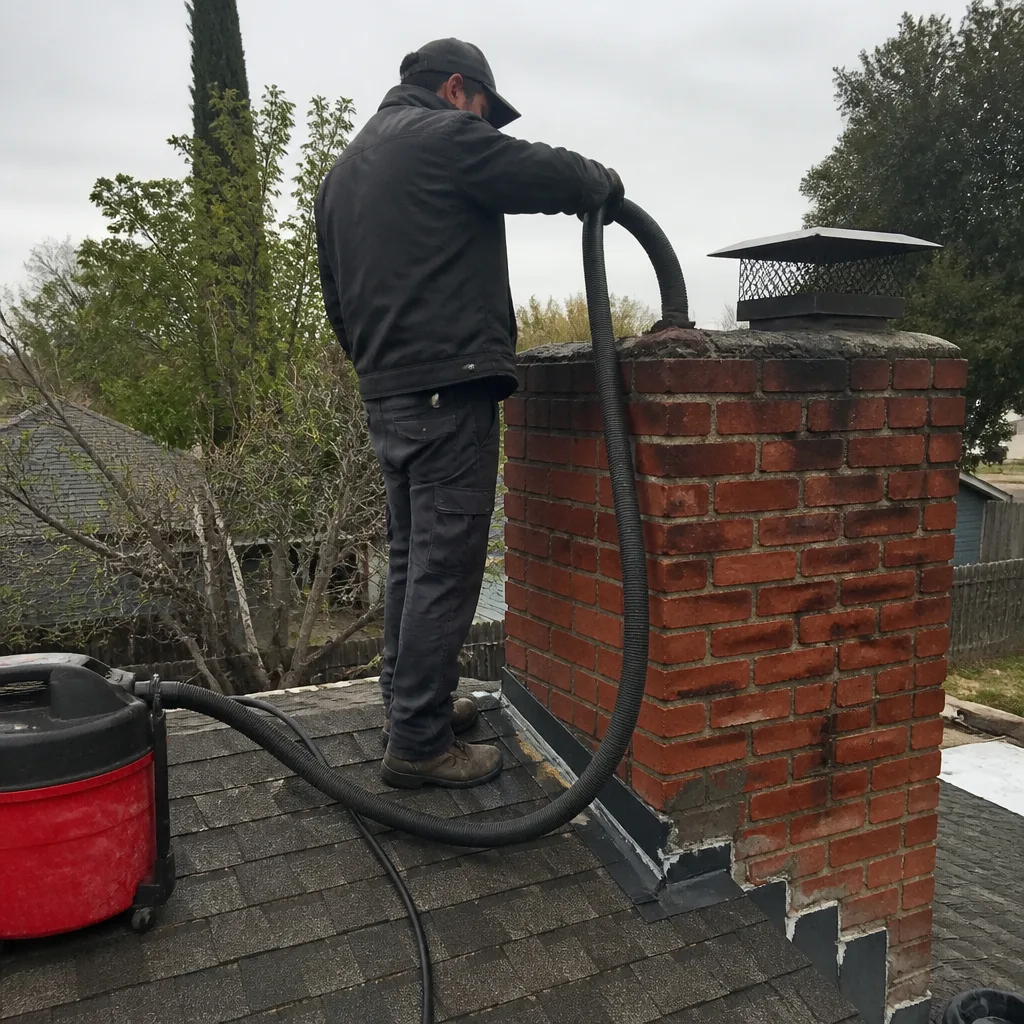 Before
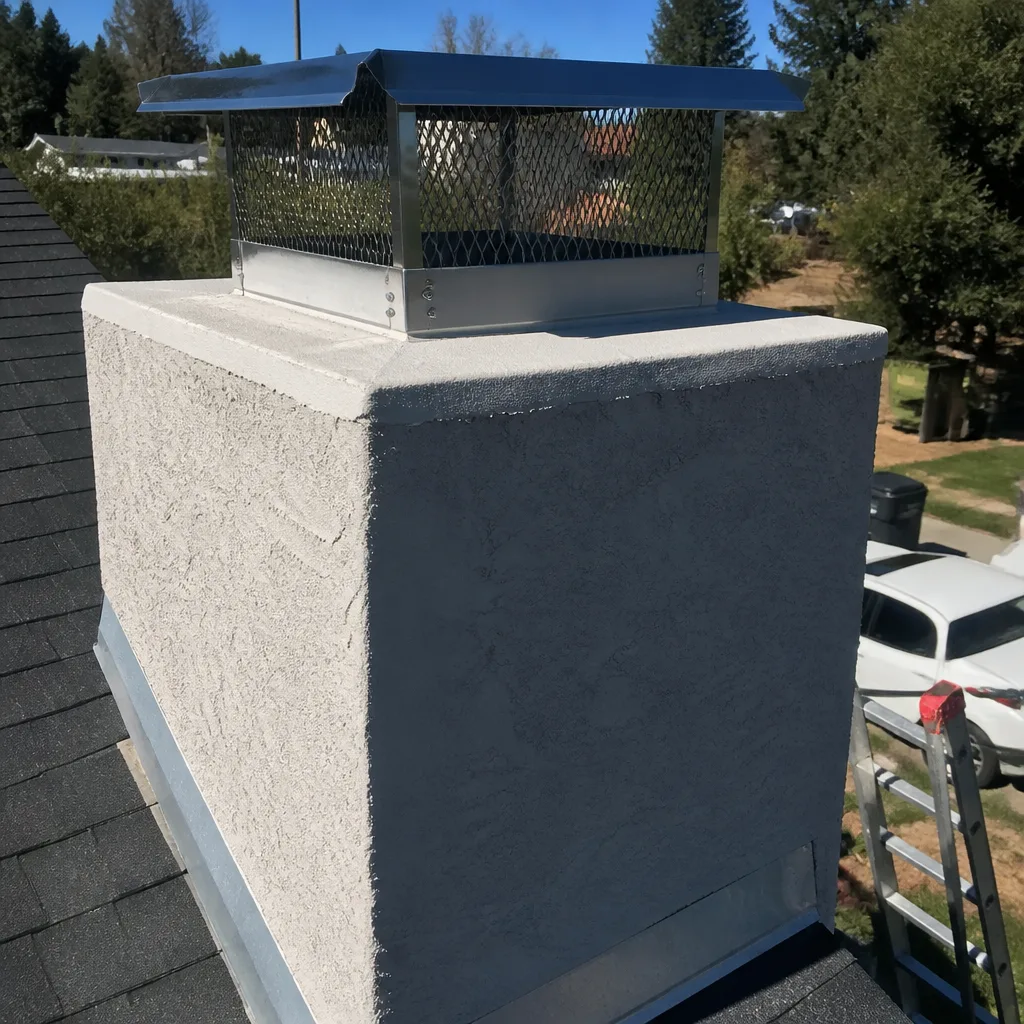 After
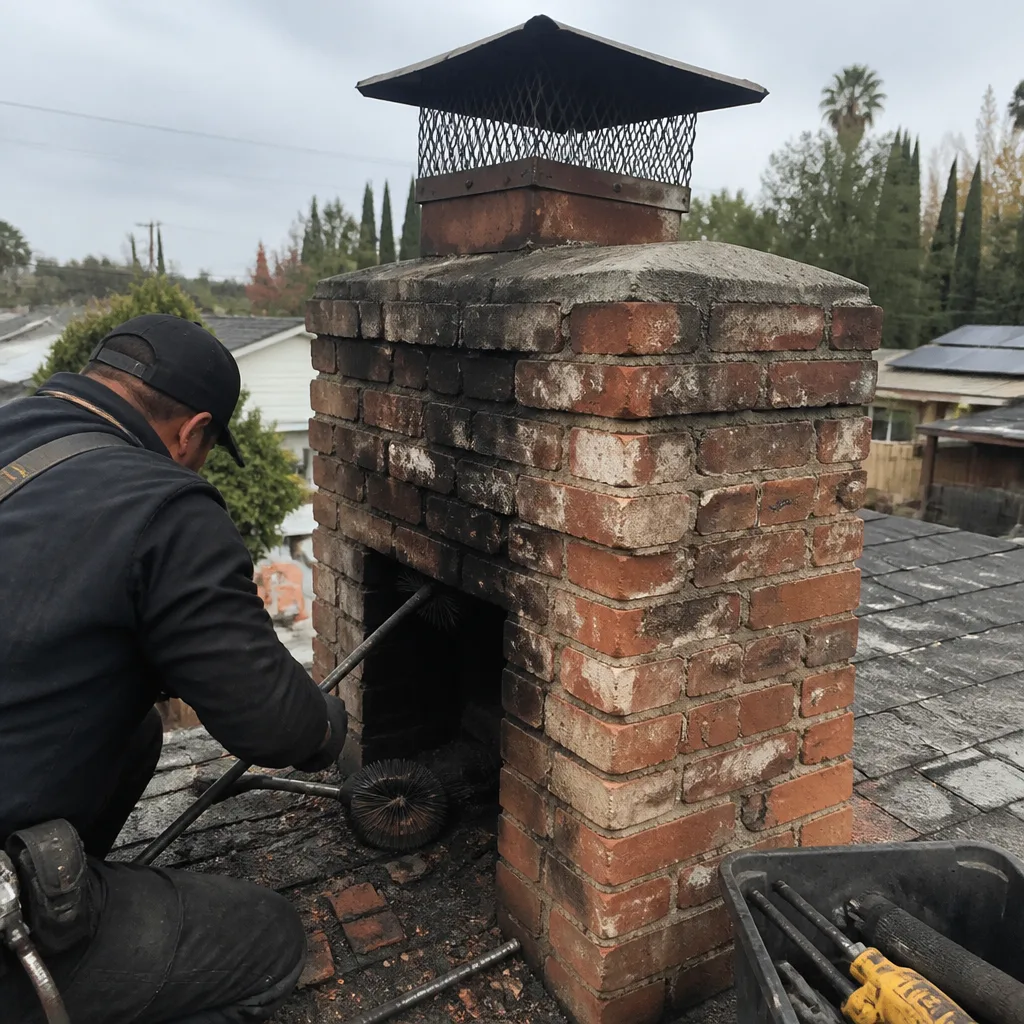 Before
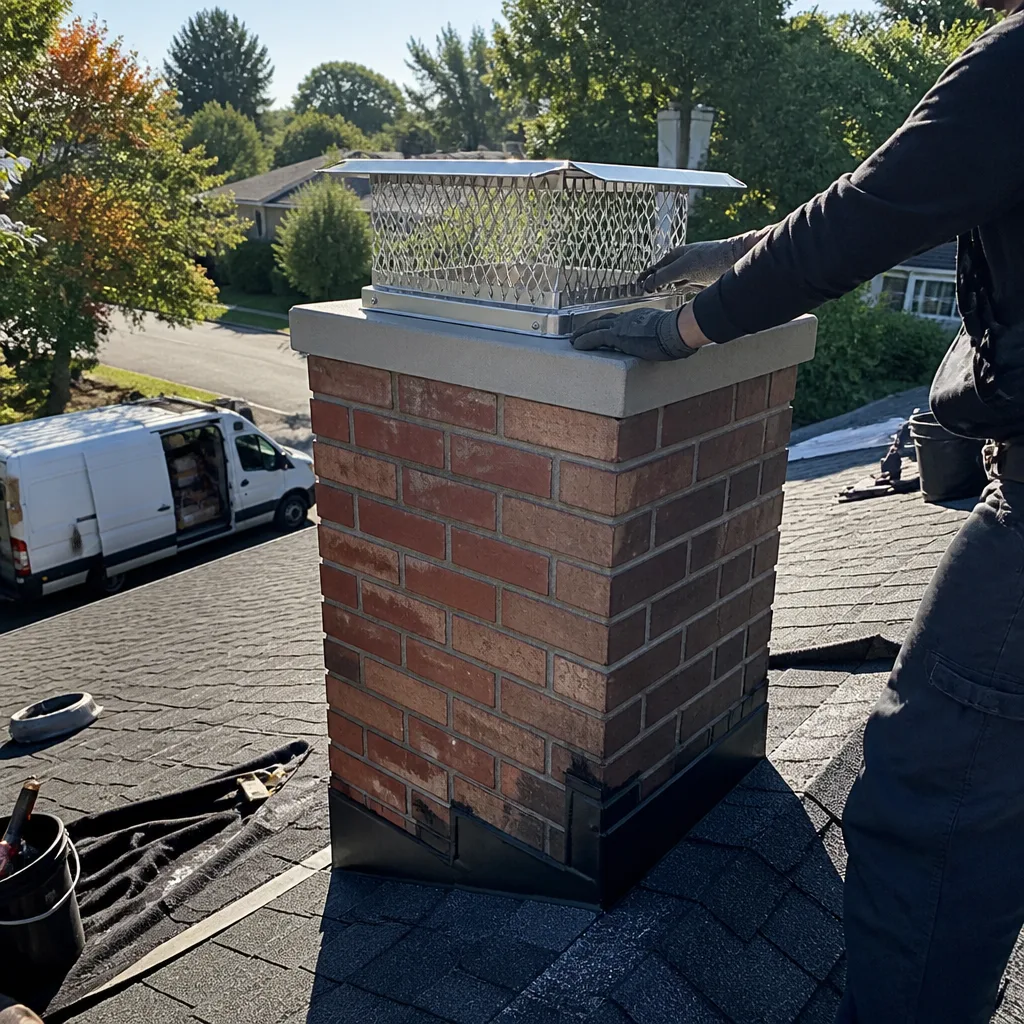 After
The Role of Dryer Vents: A Parallel Fire Risk That Skips the Permit Conversation
Dryer vents in Arden-Arcade need no permit for cleaning, and no county inspection is required for routine duct maintenance. The International Mechanical Code, adopted by California, sets the standards for dryer exhaust systems: rigid metal duct, maximum 35-foot developed length (reduced for bends), termination outside the building envelope, and no screen at the termination point.
What we see in Arden-Arcade homes, especially in the subdivisions off Watt Avenue and Fair Oaks Boulevard built in the 1960s and 1970s, are dryer vents that never got upgraded. Flexible white plastic duct, buried in a wall chase, connected through an un-insulated attic. That’s a code violation on the installation side, but here’s the thing: most homeowners never know until the dryer starts taking two cycles to dry a load. By then, the lint accumulation is a fire hazard that no permit conversation will fix. A Dryer Vent Cleaning in Arden-Arcade call addresses it directly. We’ll remove the blockage, and if we find code-violating ductwork, we’ll tell you what needs to change and whether it crosses the permit threshold. Usually, replacing a dryer duct with proper rigid metal is a maintenance fix, not a permit fix, but Sacramento County does require a permit if the termination location changes or the duct path is rerouted through structural framing.
Two fire hazards, one call, and one consistent code framework. That’s the logic that ties the services together, and it’s why we bring a moisture meter and a borescope camera to every dryer vent job, same as we do for a chimney.
Common Mistakes to Avoid
- Assuming a liner replacement is “just like changing a pipe.” A stainless steel liner in a masonry chimney is a structural alteration, not a component swap. Skipping the permit is the most expensive mistake we see homeowners make in Arden-Arcade, and it typically surfaces years later at resale, when the buyer’s inspector asks for documentation that doesn’t exist.
- Using a handyman for liner work because the quote is cheaper. Sacramento County requires permits for liner installation, and unlicensed installers will not pull permits. The work gets done invisibly, and the homeowner carries the legal risk. We use DuraFlex and we pull the permit; that’s not upselling, it’s the minimum code-compliant approach.
- Burning on curtailment days because the county can’t catch you. CARB enforcement in Arden-Arcade relies partly on neighbor reports. We’ve heard from homeowners who got warnings after a single burn on an obvious inversion day. More practically, a wood-burning fireplace in a county that restricts wood burning three months per year is a practical limitation you need to factor into your heating plan.
- Selling a house without a pre-listing Level 2. The buyer’s inspector will find chimney issues, and now you’re negotiating from a defensive position with no time to fix things properly. A Level 2 before listing costs a few hundred dollars and gives you repair options on your own timeline.
- Confusing a sweep with an inspection. A standard sweep removes creosote and glances at the flue. It does not produce documentation that satisfies a property transfer requirement or a permit application. If you need paperwork, you need a Level 2, and you need to say that when you book.
- Ignoring the dryer vent because it doesn’t feel like a “chimney issue.” Lint-ignited fires in Arden-Arcade are a documented annual occurrence. The dryer vent is the second-biggest residential fire hazard in your home, and it runs on the same inspection and cleaning logic we apply to chimneys.
- Using a discount chimney sweep that doesn’t show you what they find. If the technician won’t walk you through the camera footage, you’re paying for a guess. We show homeowners exactly what the flue looks like, what the material condition is, and what the code snapshot is at that moment. It’s not theater; it’s the only way you can make an informed repair decision.
When to Call a Professional
You need a Level 2 inspection if you’re buying or selling a home in Arden-Arcade, if you’ve experienced any chimney fire event, if the fireplace hasn’t been used in over a decade, or if a previous inspection flagged anything unusual. You need a permit conversation before any liner replacement, flue resurfacing, firebox rebuild, or appliance installation that changes venting configuration. And you need a dryer vent inspection if the dryer is running longer than normal, the laundry room smells musty during cycles, or the exterior vent flap isn’t opening properly. Chimney Sweep Arden-Arcade home services cover all of this, and we offer free estimates in Arden-Arcade. Call (833) 589-9906 to schedule a sweep or Level 2 inspection, and we’ll tell you exactly what you’re looking at, whether or not a permit is required, and what can wait versus what can’t.
Frequently Asked Questions
In Arden-Arcade, a standard chimney sweep typically runs between $180 and $300 depending on flue condition, roof access, and whether the firebox needs attention. A Level 2 inspection with camera documentation adds about $200 to $350 to that figure. For an exact quote, call (833) 589-9906, estimates are free, and we’ll tell you upfront if a permit is actually required for what you need.
Yes, Sacramento County requires a building permit for chimney liner installation or replacement, regardless of whether the liner is rigid or flexible. The permit must be pulled before work starts, and the installation must pass a rough and final inspection. We handle the permit paperwork on our liner jobs using DuraFlex listed systems.
A Level 1 inspection is the standard visual check performed during a routine sweep and covers readily accessible areas. A Level 2 inspection adds closed-circuit camera scanning of the flue interior, evaluation of the attic pass-through and exterior chimney, and produces a written report with photo documentation. Level 2 is the recognized standard for California property transfers and is required after any chimney fire, seismic event, or system alteration.
Yes. Sacramento County enforces CARB curtailment rules through warning letters, and repeat violations can result in monetary penalties. Stage 1 curtailments typically prohibit open-hearth fireplaces while Stage 2 restrictions also limit EPA-certified wood stoves unless they’re registered. During winter inversion season, the county posts no-burn day alerts online and by subscription, and Arden-Arcade homeowners using uncertified fireplaces are at the highest compliance risk.
Not reliably. If a fire claim traces the origin to the fireplace or flue system and the adjuster discovers an unpermitted liner installation, coverage denial is a very real outcome. The insurance company’s burden is showing the unpermitted work caused or contributed to the loss, and a liner installation without inspection is a straightforward basis for that argument. Permitted work creates a defensible record.
Order a Level 2 inspection to establish the liner’s actual condition and confirm what was installed. Then file an “as-built” permit application with Sacramento County so the work can be inspected retroactively. The county may require selective exposure of the liner for inspection, but the process is routine and closes the liability gap. We’ve helped numerous Arden-Arcade homeowners navigate exactly this situation.
The Bottom Line
Chimney cleaning in Arden-Arcade doesn’t require a permit, and that’s true statewide. What requires a permit is altering the chimney: liner replacement, flue resurfacing, firebox reconstruction, or appliance installation that changes venting. Sacramento County enforces those permit requirements, and unpermitted work creates real exposure in insurance claims and resale transactions. CARB wood-burning rules restrict open-hearth fireplaces during winter curtailment days, which practically limits what an uncertified fireplace can do. A Level 2 inspection is the documentation standard in California, required for property transfers and after damaging events. Get the inspection before you list, pull the permit before you alter, and keep the documentation in the property file. Browse more guides & resources on our blog. It’s the difference between a chimney you can prove and a fireplace you just hope is fine.
Written by the team at Chimney Sweep Arden-Arcade, serving Arden-Arcade since 2017.